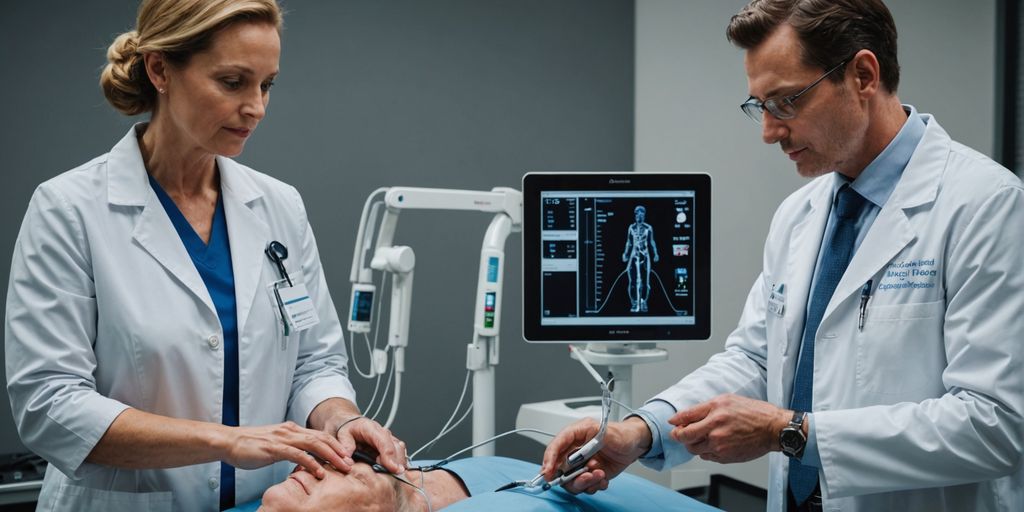
The Latest in Vascular Device Technology for 2024
Vascular device technology is advancing rapidly, promising better patient outcomes and more efficient healthcare solutions. In 2024, several breakthroughs are set to revolutionize the field. From cutting-edge imaging techniques to innovative home care models, these advancements are paving the way for a new era in vascular health.
Key Takeaways
- AI integration in imaging is improving diagnostic accuracy.
- Lab-grown blood vessels are becoming a reality, offering new treatment options.
- Minimally invasive procedures are reducing recovery times and hospital stays.
- Wearable technology is enhancing remote patient monitoring and compliance.
- Market trends indicate significant revenue growth and increased R&D investments.
Advancements in Imaging and Diagnostics
Integration of AI in Imaging
The integration of AI in imaging is transforming vascular diagnostics. AI technology helps in analyzing complex imaging data, leading to more accurate diagnoses. This is particularly beneficial for detecting coronary and peripheral artery diseases. AI algorithms can quickly identify patterns and anomalies that might be missed by the human eye, enhancing the precision of diagnostic processes.
3D and Fusion Imaging Techniques
3D imaging and fusion imaging techniques are providing unprecedented views of the vascular system. These methods combine data from different imaging modalities to create detailed, three-dimensional representations of blood vessels. This allows for better preoperative planning and improved navigation during procedures. Surgeons can now see the vascular structures in ways that were not possible before, leading to more effective treatments.
Future Prospects of Augmented Reality
Looking forward, augmented reality (AR) holds the potential to revolutionize surgical planning and execution. AR can overlay critical information directly onto the surgeon’s field of view, providing real-time guidance during operations. This technology could significantly enhance the accuracy and safety of vascular surgeries, making complex procedures more manageable.
Regenerative Medicine and Tissue Engineering
Lab-Grown Blood Vessels
One of the most exciting trends in vascular surgery is the development of lab-grown blood vessels. Scientists are working on creating blood vessels using the patient’s own cells. This method could lead to more successful surgeries and fewer complications.
Self-Regeneration Techniques
Self-regeneration techniques aim to encourage the body to repair its own blood vessels. This could be done through special treatments that stimulate the body’s natural healing processes. These techniques are still in the early stages but hold great promise for the future.
Biocompatibility and Durability
A key focus in tissue engineering is ensuring that new materials are both biocompatible and durable. Researchers are developing materials that the body can accept without adverse reactions. These materials also need to be strong enough to last a long time, making them a reliable option for patients.
The advancements in regenerative medicine and tissue engineering are truly groundbreaking, offering new hope for patients with vascular diseases.
Minimally Invasive Procedures
Endovascular Surgery Techniques
One of the biggest trends in vascular surgery is the move towards minimally invasive procedures. Techniques like endovascular surgery let doctors fix damaged vessels or clear blockages using small cuts and catheter-based tools. These procedures are guided by advanced imaging technologies, providing precision and reducing the risk of complications.
Benefits for Patients
The benefits for patients are huge. They include shorter hospital stays, quicker recovery times, and less pain after surgery. As technology gets better, these techniques will become even more refined, expanding the range of conditions that can be treated with minimal intervention.
Future Refinements and Expansions
Looking ahead, expect these procedures to become even more advanced. They are already being done today, often in outpatient settings away from the hospital. The future holds even more possibilities for treating a wider range of conditions with minimal intervention.
Wearable Technology and Remote Monitoring
Sensor-Equipped Devices
The rise of wearable technology has the potential to transform patient monitoring and postoperative care in vascular surgery. Devices equipped with sensors to measure vital signs, detect irregularities, and monitor wound healing can transmit real-time data to healthcare providers. This trend towards remote monitoring not only enhances patient convenience and compliance but also enables early detection of potential complications, facilitating timely interventions. As wearable technologies become more sophisticated, their integration into vascular care will likely deepen, providing a continuous link between patients and their care teams.
Real-Time Data Transmission
Wearable devices are now capable of transmitting real-time data to healthcare providers, allowing for continuous monitoring of patients’ health status. This capability is particularly beneficial for patients with chronic conditions, as it enables healthcare providers to detect potential issues early and intervene promptly. The real-time data transmission also allows for more personalized care, as healthcare providers can adjust treatment plans based on the most current information.
Enhanced Patient Compliance
One of the significant benefits of wearable technology is the potential to enhance patient compliance. By providing patients with easy-to-use devices that can monitor their health status and remind them to take their medications or follow their treatment plans, wearable technology can help ensure that patients adhere to their prescribed regimens. This can lead to better health outcomes and reduce the risk of complications. Additionally, the data collected by these devices can be used to provide feedback to patients, helping them understand the importance of following their treatment plans and encouraging them to take an active role in their health care.
Market Trends and Strategic Analysis
Revenue Forecasts and Growth
The coronary vascular closure devices market is expected to grow at an unexpected CAGR from 2024 to 2032, reaching multimillion USD by 2032 compared to 2022. This growth is driven by advancements in technology and increasing demand for minimally invasive procedures. The market is projected to surpass US$12 billion in 2024, with strong revenue growth continuing through to 2034.
Key Players and Innovations
Several key players dominate the market, including BD, Cook Group, Boston Scientific, Abbott Labs, and Medtronic. These companies are at the forefront of innovation, developing new products and technologies to meet the growing demand. Their capabilities and progress are crucial for staying ahead in this competitive market.
Impact of Product Recalls
Product recalls can significantly impact market dynamics. They can lead to financial losses, damage to brand reputation, and shifts in market share. Companies must have robust quality control measures in place to minimize the risk of recalls and maintain their market position.
Research and Development Investments
R&D in Peripheral Vascular Devices
Research and development (R&D) in peripheral vascular devices is crucial for industry growth. Companies are investing heavily to create innovative devices that are safer and more effective. For example, Medtronic is expanding its Medtronic Engineering and Innovation Center in Hyderabad, investing over $350 million in the next five years. This will increase their workforce from 950 to 1,500 employees.
Innovative Technologies and Treatments
The focus on R&D has led to the development of new technologies and treatments. These advancements aim to improve patient outcomes and make procedures less invasive. BIOTRONIK, for instance, has opened a new research hub in the Asia Pacific region, which will focus on various therapy domains like interventional cardiology and peripheral interventions.
Global Investment Trends
Global investment in R&D for vascular devices is on the rise. Companies are not only focusing on local markets but also expanding their reach globally. This trend is evident in the recent activities of major players like Boston Scientific, which is enhancing its presence and capabilities in India. The acquisition adds innovative technology for stroke prevention to Boston Scientific’s vascular portfolio.
New Home Care Models

Interactive Virtual Solutions
Healthcare is changing fast, driven by an aging population and more chronic diseases. Interactive virtual solutions are helping doctors manage patients at home. This can make life better for patients and save money for the healthcare system.
Patient Management at Home
Managing patients at home is becoming more common. New technology helps doctors keep track of patients without them needing to visit the hospital. This is especially useful for patients with long-term conditions.
Cost Savings and Quality of Life
Taking care of patients at home can save a lot of money. It also makes patients happier and less stressed. When patients are comfortable at home, they often get better faster and have fewer complications.
Conclusion
The future of vascular device technology is incredibly promising. With advancements in imaging, diagnostics, and minimally invasive procedures, doctors can now see and treat blood vessel problems more accurately and safely. Wearable tech and remote monitoring are making it easier for patients to recover at home while staying connected to their healthcare teams. Plus, the exciting field of regenerative medicine is working on ways to repair or even grow new blood vessels. As these technologies continue to develop, patients can look forward to better care and healthier lives.
Frequently Asked Questions
What are the latest advancements in vascular imaging?
Recent advancements in vascular imaging include the integration of AI, 3D imaging, and fusion imaging techniques. These technologies help doctors see blood vessels more clearly and make better decisions during surgeries.
How does regenerative medicine help in vascular surgery?
Regenerative medicine in vascular surgery focuses on repairing or replacing damaged blood vessels using the patient’s own cells. This includes lab-grown blood vessels and techniques that encourage the body to heal itself.
What are the benefits of minimally invasive procedures?
Minimally invasive procedures, like endovascular surgery, use small cuts and special tools to fix blood vessels. Benefits include shorter hospital stays, faster recovery times, and less pain after surgery.
How is wearable technology changing patient care?
Wearable technology, such as sensor-equipped devices, allows for real-time monitoring of a patient’s vital signs. This helps doctors keep track of their patients’ health remotely and catch any problems early.
What are the market trends for vascular devices?
The market for vascular devices is growing, with revenue expected to surpass $12 billion by 2024. Key players are investing in new technologies and innovations, although product recalls can impact growth.
How are new home care models improving patient management?
New home care models use interactive virtual solutions to help manage patients at home. These models improve the quality of life for patients and can lead to cost savings in the healthcare system.