Matt Diamante Shares SEO and Google Tips for Better Rankings
Matt Diamante Shares SEO and Google Tips for Better Rankings brings practical, free advice from Matt Diamante of HeyTony SEO agency. It’s crazy that these tips are free and shared in a short video, and you can start using them today.
The article summarizes key takeaways from the video, covering on-page optimization, technical fixes, local SEO tactics, and free Google tools you can use. You’ll get step-by-step suggestions and quick wins to boost your rankings and measure progress.
Matt Diamante and HeyTony Background and Credibility
You should know who is giving these tips so you can trust and apply them with confidence. This section explains who Matt Diamante is, what HeyTony does, why his perspective is useful, and how the video “It’s crazy that these are free” frames the advice.
Profile: Who Matt Diamante is and his role at HeyTony SEO agency
Matt Diamante is the founder and a visible spokesperson for HeyTony, an SEO agency focused on practical, results-driven search optimization. When you watch his content or consult his guidance, you’re getting insights from someone who runs an agency and deals with real-world SEO problems on a daily basis. That means the tips come not just from theory but from hands-on experience optimizing sites, troubleshooting ranking issues, and advising businesses about prioritization and measurement.
Overview of HeyTony: services, specialties, and typical clients
HeyTony offers a mix of SEO services that typically include technical audits, on-page optimization, content strategy, local SEO, and reporting. You’ll often find them working with small to mid-sized businesses, local service providers, e-commerce shops, and SaaS companies that need pragmatic SEO that drives measurable traffic and leads. Their specialty is translating complex SEO signals into concrete tasks you can execute, so whether you’re a solo entrepreneur or part of a marketing team, their approach is geared toward practical improvements you can measure.
Why his insights matter: experience, case studies, and results
The value of Matt’s insights comes from repeatedly seeing how specific changes affect search performance. You should pay attention because his recommendations are informed by real audits, A/B experiments, and client work that surfaced common roadblocks and high-impact fixes. While he may reference case studies or client outcomes in general terms, the consistent thread is evidence-based thinking: measure baseline performance, implement prioritized fixes, and track lifts in impressions, clicks, and conversions rather than relying on guesswork.
Reference to the video: ‘It’s crazy that these are free’ and how the video frames the tips
In the video “It’s crazy that these are free,” Matt frames the guidance as practical, high-value tips that many agencies would charge for but that he shares freely. That framing helps you approach the content as a mix of quick, actionable items and conceptual frameworks. The video’s tone emphasizes that you don’t need a huge budget to begin improving SEO; instead, there are straightforward steps you can take right away. As you watch or revisit the video, treat it as a compact checklist of things to audit and fix first.
Why Free SEO Tips Are Valuable
Free SEO tips matter because they lower the barrier to entry for optimizing your online presence and help you prioritize limited time and resources toward what moves the needle most.
Low-cost entry: how free guidance helps small businesses and solopreneurs
If you’re a small business or solopreneur, budgets are tight and hiring an agency immediately isn’t always feasible. Free SEO advice gives you a roadmap you can follow without committing to large retainers, and it lets you focus on high-impact activities that don’t require advanced technical expertise or expensive tools. That low-cost entry point can get you results that justify future investment.
Speed to impact: quick wins you can implement immediately
One of the biggest benefits of free tips is the quick-win nature of many recommendations. You can often implement simple fixes—like improving meta titles or fixing broken links—during a lunch break and see measurable changes within weeks. Those quick wins build momentum and demonstrate that incremental work on SEO is worthwhile.
Empowerment: learning to diagnose and fix ranking issues independently
Free guidance empowers you to diagnose issues on your site and try fixes yourself. Over time, you’ll develop a mental model for how search engines evaluate pages and be able to prioritize technical, on-page, and content work without constantly relying on external help. That independence helps you reduce costs and make smarter decisions about when to bring in outside expertise.
Trust-building: why agencies share free tips and how to evaluate them
Agencies share free tips to build trust and showcase their expertise; when you see consistent, useful advice, you’re more likely to consider paid services later. You should evaluate free tips by checking whether they encourage measurement, provide steps you can act on, and align with current SEO best practices rather than pushing quick hacks or silver-bullet promises.
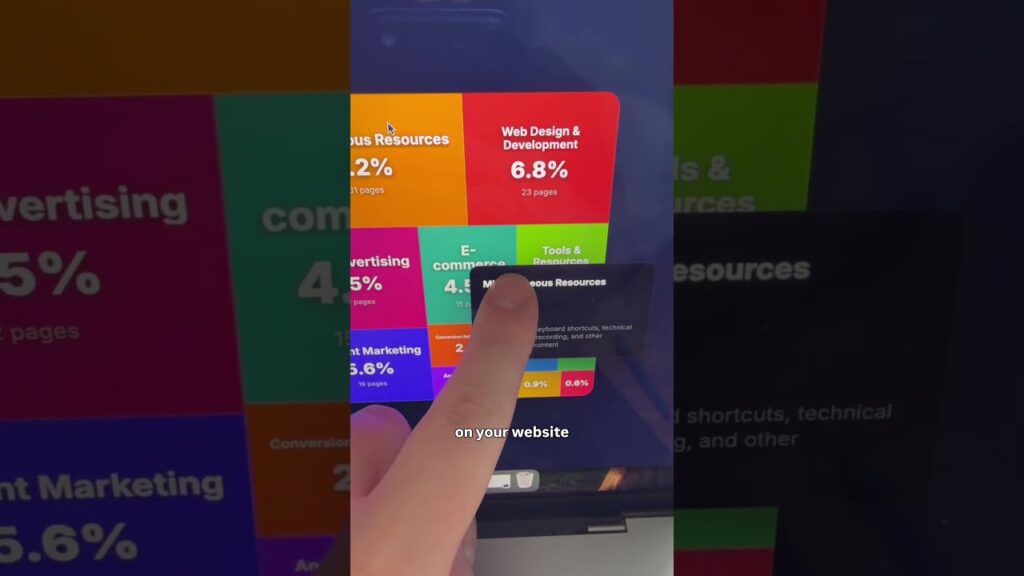
This image is property of i.ytimg.com.
Key Takeaways from the Video By Matt Diamante
This section pulls together the most actionable points from the video and shows how you can turn what you watched into a checklist for immediate and longer-term work.
Top practical tips highlighted in the video
The video highlights practical tips such as optimizing title tags for clicks, ensuring pages are crawlable and indexed, auditing internal linking, and improving core content quality. You’ll also hear about using Google’s free tools to spot indexing issues and content gaps, and about the importance of formatting content so it’s scannable and helpful to real users.
Examples Matt uses to illustrate concepts
Matt often illustrates concepts with simple, relatable examples: tweaking a title tag to better match search intent, consolidating thin or overlapping pages into a stronger resource, or fixing a robots.txt rule that accidentally blocked important pages. Those examples are useful because they show both the problem and the corrective action in a way you can replicate on your own site.
Quick wins vs. long-term strategies provided in the video
The video separates quick wins—like metadata updates, image optimization, and fixing 404s—from long-term strategies such as building topical authority through clusters of content, technical site restructuring, and consistent content production. You should focus on the quick wins first to get momentum, then allocate time and resources to the strategic work that compounds over months.
How to use the video as a checklist for immediate action
Use the video as a simple audit checklist: note the quick-win items Matt mentions, run a Search Console and site crawl to confirm issues, implement the fixes, then monitor performance. Treat the video as a pragmatic starting point—do the easy things now, and plan larger projects into a 90-day roadmap.
Foundational SEO Principles
Understanding foundational principles will help you prioritize work and avoid chasing tactics that don’t produce sustainable results.
Searcher-first mindset: optimizing for intent, not just keywords
You should always design content around user intent—what the searcher actually wants—rather than merely targeting keywords. If a query shows informational intent, your page should be educational; if it’s transactional, your content should facilitate conversion. When you think searcher-first, you naturally create pages that satisfy users and perform better in search.
Technical foundation: crawlability, indexability, and site structure
Search engines need to be able to discover and understand your pages, so crawlability and indexability are essential. You should maintain a clean site structure, ensure important pages aren’t blocked, and use sitemaps and canonical tags properly. If search engines can’t access or interpret your content, even the best copy won’t rank.
Content quality: relevance, usefulness, and depth
Quality content aligns with user intent, answers questions comprehensively, and provides a better experience than competing pages. You should prioritize depth and clarity, include practical examples, and avoid thin, repetitive pages that dilute topical authority. High-quality content is more likely to earn clicks, time on page, and links.
Authority and trust: signals Google uses to rank pages
Authority and trust are inferred through backlinks, brand signals, user engagement, and on-site signals like clear contact information and transparent policies. You should work on building credible references to your site, maintain a trustworthy site architecture, and ensure your content demonstrates expertise and accuracy.

This image is property of pixabay.com.
On-Page SEO Strategies
On-page work is where you can make rapid improvements that directly influence how your pages appear and perform in search.
Title tags and meta descriptions: crafting click-worthy, descriptive snippets
You should write title tags that reflect search intent, include primary keywords near the front, and entice clicks with clear value propositions. Meta descriptions should summarize the page benefit and include relevant terms—while not directly a ranking signal, a good meta description can increase click-through rates and indirectly influence performance.
Header tags and content hierarchy: making pages scannable for users and bots
Use header tags (H1, H2, H3) to structure content logically so both users and search engines can scan and understand it quickly. When you break content into well-labeled sections, readers find key information faster and search engines can better determine topical relevance.
URL structure and internal linking: improving navigation and link equity flow
Clean, descriptive URLs help both users and search engines understand page context. Internal linking distributes authority across your site and guides users to related content. You should audit your internal links to ensure important pages are easily reachable and that anchor text provides helpful context.
Optimizing images and media: alt text, compression, and descriptive filenames
Images and media improve engagement but can slow performance if unoptimized. You should compress images, use descriptive filenames and alt text for accessibility and relevance, and implement lazy loading where appropriate so media doesn’t block page rendering.
Technical SEO Best Practices
Technical health underpins your ability to rank; neglecting it can undermine even the best content efforts.
Robots.txt, XML sitemaps, and canonicalization: controlling what gets indexed
You should use robots.txt to prevent crawling of unnecessary resources, maintain an accurate XML sitemap to guide indexing, and implement canonical tags to avoid duplicate content issues. Together, these controls ensure search engines index the pages you want and ignore the ones you don’t.
Structured data and schema markup: improving SERP appearance and rich results
Structured data helps search engines understand your content’s context and can unlock enhanced search result features like FAQs, product information, and events. You should add appropriate schema markup where relevant to increase visibility and potentially improve click-through rates.
Mobile-first design and responsive issues to check
Google indexes sites mobile-first, so you should ensure your mobile UX is fast, accessible, and complete. Check for font sizes, tap targets, layout shifts, and content parity between desktop and mobile so users on phones get the same value and functionality.
Server performance, caching, and minimizing render-blocking resources
Site speed affects both user experience and SEO. You should optimize server response times, leverage caching, minimize render-blocking CSS and JavaScript, and use techniques such as compression and content delivery networks to reduce page load times.
This image is property of pixabay.com.
Content Strategy and Creation Tips
A sustainable content strategy ensures you build topical relevance and serve users across the buyer journey.
Content formats to prioritize: long-form guides, FAQs, tutorials, and video
Prioritize formats that match user intent and deliver value: long-form guides for comprehensive topics, FAQs for quick answers, tutorials for how-tos, and video for demonstrations. You should pick formats that align with what your audience prefers and what competitors aren’t doing well.
Topic clusters and pillar pages: organizing content for topical authority
Organize content around pillar pages and topic clusters to demonstrate depth on a subject. A pillar page covers a broad topic with internal links to cluster pages that dive into subtopics. This structure helps both users and search engines see your site as an authoritative resource.
Repurposing existing assets: converting videos and webinars into SEO content
You can extract more value from existing assets by transcribing videos or webinars, turning them into blog posts, FAQs, or downloadable guides. Repurposing saves time and helps you reach audiences across formats while strengthening content depth on key topics.
Editorial processes: research, drafting, review, and optimization workflow
Establish an editorial workflow that includes keyword and competitive research, drafting with clear headings and internal links, peer review for accuracy, and post-publication optimization based on performance data. A repeatable process helps maintain quality and scale production without losing focus.
Keyword Research and Search Intent
Keyword research is not just about volume; it’s about matching intent and prioritizing opportunities that fit your goals.
Keyword intent classification: navigational, informational, commercial, transactional
You should classify keywords by intent: navigational (finding a specific site), informational (seeking answers), commercial (researching options), and transactional (ready to buy). Matching content to intent ensures your pages meet user expectations and convert more effectively.
Tools and techniques Matt recommends for keyword discovery
Matt frequently points toward free and paid tools as starting points: use Google Search Console to see what you already rank for, Google’s autosuggest and People Also Ask for idea generation, and keyword tools for search volume and difficulty estimates. Combine tool data with manual SERP analysis to understand what Google values for each query.
Prioritization framework: traffic potential, competitiveness, and relevance
You should prioritize keywords by balancing traffic potential, competition level, and relevance to your business. Pick a mix of lower-competition, high-intent opportunities for near-term wins and broader competitive targets that support long-term authority building.
Mapping keywords to content types and the buyer journey
Map each keyword to the appropriate content type and stage of the buyer journey: informational queries to blog posts or guides, transactional queries to product or service pages, and commercial investigation to comparison pages or reviews. This mapping ensures your content meets users where they are.

This image is property of pixabay.com.
Google Tools: Search Console, Analytics, and More
Free tools from Google provide invaluable diagnostics and performance data you should use regularly.
Search Console: performance reports, indexing issues, and URL inspection
You should use Search Console to monitor clicks, impressions, CTR, and average positions, and to identify indexing issues or manual actions. The URL Inspection tool is particularly helpful when you want to test whether a page is indexed or to request reindexing after a fix.
Google Analytics (GA4): measuring engagement, conversions, and traffic sources
In GA4 you can measure user engagement, session quality, conversion events, and how different channels drive traffic. You should define meaningful events and conversion goals so you can tie SEO work to business outcomes like leads and sales.
Using Google Trends and People Also Ask for content ideation
Google Trends helps you see rising interest and seasonality, while the People Also Ask box and related searches reveal adjacent questions people have. You should use these to generate content ideas that match current search behavior and fill gaps competitors may have missed.
Bing Webmaster Tools and other free platforms to supplement data
While Google dominates, you should also use Bing Webmaster Tools for additional insights and to ensure cross-search visibility. Other free platforms can supplement keyword research, backlink checks, and performance monitoring so you get a fuller picture of your site’s health.
Conclusion
Wrap up with the most impactful learnings and how to proceed with confidence and consistency.
Recap of Matt Diamante’s most impactful SEO and Google tips
Matt’s core tips revolve around making practical, measurable fixes: optimize titles and meta, ensure technical health, prioritize content that matches intent, and use Google’s free tools to find and fix issues. His approach is about doing the right foundational work consistently rather than chasing shiny quick fixes.
Emphasis on consistent, data-driven execution over shortcuts
You should focus on steady, data-driven execution—measure baseline metrics, prioritize based on impact and effort, and iterate. Shortcuts rarely produce sustained results; instead, disciplined improvements and monitoring create compounding benefits over time.
Encouragement to use the free resources and the video as starting points
Treat the video and the free resources Matt shares as a hands-on starting point. You can implement many suggestions immediately and use the guidance to build a prioritized roadmap for ongoing SEO work.
Next steps: prioritize a small set of actions and measure improvements
Pick a small set of high-impact actions—fix metadata, run Search Console audits, optimize two to three key pages, and address obvious technical blocks—then measure the results over the next few weeks. By prioritizing and tracking outcomes, you’ll learn what works for your site and be ready to scale up the efforts that deliver the best returns.