
Copy This Secret Checkout Cart Strategy to Blow Up Your Business
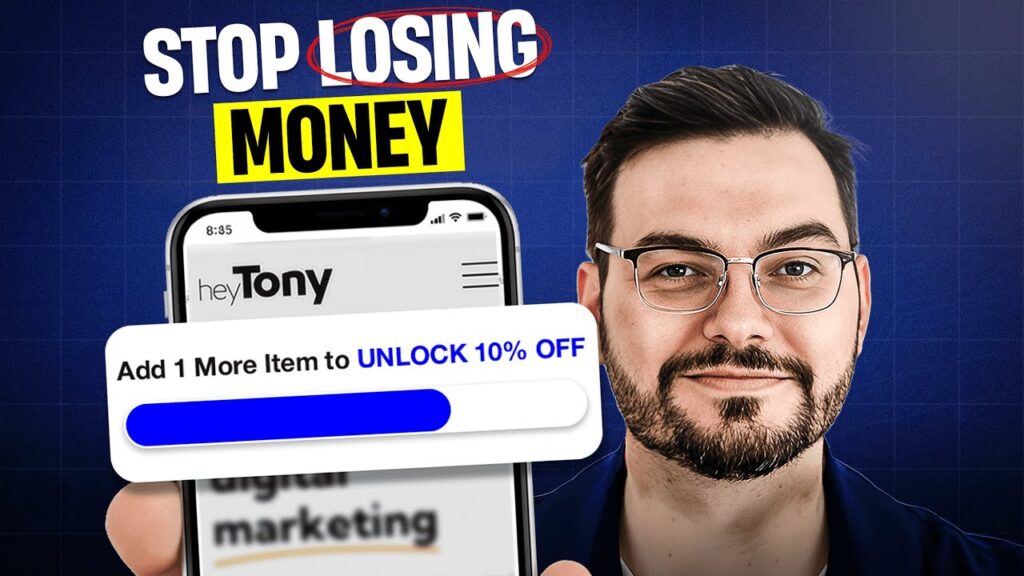
Copy This Secret Checkout Cart Strategy to Blow Up Your Business shows how simple checkout tweaks can unlock big revenue by raising average order value. Matt Diamante of HeyTony explains buyer-behavior driven changes with real brand examples and the exact steps he uses to boost add-to-cart value and conversion rates. You’ll get clear guidance on what to change behind the scenes so you can start increasing cart value without fancy tools.
The article walks through order bumps, tiered incentives and progress bars, countdown timers that create real urgency, smart bundles and cross-sells, plus offer structuring and funnel fixes that stop revenue leaks. You can expect proven upsell techniques, free-shipping and discount strategies that protect margins, loyalty tactics to grow lifetime value, and simple, actionable steps you can apply right away.
This image is property of i.ytimg.com.
What This Secret Checkout Cart Strategy Is and Why It Works
This secret checkout cart strategy is a focused approach that nudges buyers to increase their spend at the moment of purchase by optimizing offer placement, messaging, and friction points. You’ll use order bumps, tiered incentives, honest urgency, smart bundles, and post-purchase upsells to create natural, behavior-driven lift without expensive traffic or heavy discounts. The core idea is to make the higher-value choice feel easier, safer, and smarter for the buyer.
Clear description of the checkout cart strategy and its core components
At its heart, the strategy layers several complementary tactics inside the cart and checkout: an unobtrusive order bump, visible progress bars tied to rewards, limited but truthful countdowns, curated bundles/cross-sells, and one-click upsells after purchase. Each component is small on its own but designed to work together so the buyer repeatedly encounters low-friction opportunities to add value to the order.
Behavioral economics and buying triggers that make the strategy effective
You’ll tap into loss aversion, social proof, anchoring, scarcity, and the endowment effect to guide decisions. Small defaults, framed savings, and immediate bonuses make additional spend feel like a gain rather than a cost. When those triggers are presented ethically—clear benefits, transparent pricing—you reduce cognitive load and increase the chance a buyer says yes.
Why increasing average order value often outperforms chasing more traffic
Improving AOV leverages traffic you already have, meaning faster ROI and lower acquisition cost per dollar of revenue. You don’t need to double sessions or chase new channels; small percentage lifts in AOV compound across every order and scale predictably. For many stores, a 10–20% AOV increase yields more profit than a costly traffic campaign with uncertain conversion.
How small checkout changes compound into large revenue gains
A single 5% AOV lift multiplied across thousands of orders quickly outpaces many marketing investments. Because checkout interactions happen at peak purchase intent, incremental changes have outsized effects—an extra product added per 20 orders turns into consistent monthly revenue. When you run iterative tests and adopt winners, gains compound and create sustainable growth.
When this strategy is most effective and which business types benefit most
You’ll see the biggest returns if you sell repeatable, complementary, or consumable products, and in stores with decent traffic and established conversion. DTC brands, subscription businesses, and niche retailers benefit most, but even B2B or high-ticket shops can adapt elements like bundles and clear incentives. It’s most effective once baseline checkout reliability and trust are in place.
Define Average Order Value and Key Metrics to Track
AOV is a straightforward KPI but tracking it alongside related metrics gives you the insight to run meaningful experiments and protect margins. You’ll measure both the dollar value and the behavioral inputs that create it—so you can diagnose whether gains come from price, quantity, or promotional shifts.
Precise definition of average order value and related KPIs to monitor
Average order value is total revenue divided by number of orders over a set period. Complementary KPIs to watch include add-to-cart value, conversion rate, average units per order, gross margin per order, checkout abandonment rate, and cost per acquisition. Monitoring these together prevents false positives from misleading single-metric wins.
How add-to-cart value differs from average order value and why both matter
Add-to-cart value measures what buyers intend to purchase before they hit checkout; AOV measures completed purchases. You’ll use add-to-cart as an early signal for potential AOV, and track drop-off between add-to-cart and order to isolate friction. Improving add-to-cart gives you more lift potential, while converting that intent preserves revenue.
Primary metrics to track during experiments and benchmarks to aim for
During tests track AOV, conversion rate, average units per order, order bump attach rate, upsell acceptance rate, and margin per order. Benchmarks vary by industry, but aim for a 5–15% relative AOV lift per test, a 10–30% attach rate for well-designed bumps, and minimal negative impact on conversion rate. Always include margin analysis in your goals.
How to calculate revenue impact from incremental AOV lifts
Multiply incremental AOV by monthly order volume to estimate revenue impact: incremental revenue = (new AOV − baseline AOV) × orders per period. Then subtract incremental costs (fulfillment, discounts, returns) to estimate net profit. Run sensitivity scenarios to understand upside and downside before scaling a tactic.
Reporting cadence and stakeholders who need visibility
Report AOV experiments weekly for the marketing and product teams and monthly to finance and leadership with margin impact included. You’ll want daily monitoring during live tests for quick rollback on any conversion regressions. Transparency ensures everyone understands trade-offs between growth and margin.
Anatomy of a High-Converting Checkout Cart
A high-converting cart is clear, fast, trustworthy, and offers low-effort value increases. You’ll design it so the buyer knows their choices, feels secure, and encounters timely, relevant opportunities to spend a little more.
Essential elements: clarity, trust indicators, friction removal, and offers
Include a simple order summary, clear pricing, visible trust signals (SSL, recognizable payment logos, reviews), and minimal form fields. Remove distractions and reduce steps; every click is friction. Layer in a tasteful order bump or incentive that aligns with the main purchase.
Where to place order bumps, upsells, and cross-sells in the flow
Place an order bump directly on the cart or first checkout page before payment—where commitment is high but disruption is minimal. Cross-sells can appear on cart and confirmation pages; upsells work best post-purchase in one-click flows. The principle: present higher-value options when intent is clear and canceling is still simple.
Visual hierarchy and layout patterns that guide buyer actions
Use contrast, whitespace, and clear CTAs to guide attention: primary CTA (complete purchase) should dominate, with bumps as secondary clearly framed choices. Highlight savings or benefits with badges and short bullets. Keep pricing and totals fixed in view so buyers never question the cost.
Mobile-first considerations and responsive experience details
You’ll prioritize thumb-friendly buttons, collapsible summaries, and minimized typing on mobile. Ensure sticky order totals and bump offers fit small screens without dominating the view. Test every interaction on multiple devices to avoid accidental taps or hidden information that kills conversion.
Technical performance requirements to avoid conversion drops
Fast load times, reliable payment integrations, and consistent session handling are non-negotiable. Even small delays increase abandonment. Monitor time-to-interactive, error rates, and retry behaviors for payment gateways; ensure graceful handling of failures so buyers don’t drop off.
Order Bumps That Convert Without Annoying Buyers
Order bumps should feel helpful, optional, and valuable—never like pressure. You’ll design them to be relevant, affordably priced, and framed as upgrades or protections buyers will appreciate.
What qualifies as an ideal order bump and how to position it
An ideal bump is a low-cost, high-perceived-value add-on that complements the main item—think warranty, related accessory, or expedited service. Position it near the top of the checkout with a short headline, a one-line benefit, and an easy checkbox so buyers can accept with one click.
Copy and design formulas that increase acceptance rates
Use simple, benefit-driven copy: “Add X for $Y — extends life by Z%.” Use a clear price anchor (regular price struck-through if applicable) and a small visual cue like an icon. Keep copy under 12 words for the title and one short supporting line to avoid cognitive overload.
Pricing and product selection tactics to make bumps feel like no-brainers
Price bumps at an easy mental increment (typically under 10% of cart value or a round dollar amount) and select products that solve an immediate need. Avoid overpricing or irrelevant items; relevance and simplicity drive acceptance. Test multiple price points to find the sweet spot for attach rate and margin.
A/B test ideas and metrics to validate bump performance
Test different bump copy, price, position, and product selection. Track attach rate, impact on checkout completion, AOV lift, and margin per order. Run tests long enough to account for traffic variance and segment by device to capture mobile differences.
Common mistakes that reduce bump conversion and how to fix them
Mistakes include irrelevant items, hidden costs, confusing copy, and hard-to-toggle checkboxes. Fixes are simple: align the bump with the product, show total cost transparently, use clear copy, and ensure the acceptance UI is responsive and obvious.

This image is property of pixabay.com.
Tiered Incentives and Progress Bars to Drive Bigger Carts
Tiered incentives and progress bars transform cart-building into a game of clear, immediate goals. You’ll motivate buyers to add another item to hit the next reward tier without undermining margin if you design thresholds carefully.
How tiered incentives influence incremental spend and perceived value
Tiers create targets: spend $X for free shipping, $Y for a bonus, and $Z for premium benefits. Buyers evaluate incremental cost versus perceived gain, and many will add lower-cost items to cross thresholds. Properly structured tiers make the extra spend feel strategic rather than impulsive.
Designing progress bars that create motivation and FOMO
Keep progress bars simple and visually rewarding: show current progress, distance to next reward, and a clear call to action (e.g., “Add $12 more for free shipping”). Use persuasive color changes and milestone badges to make the next step feel attainable and desirable.
Examples of effective tier thresholds and reward types
Common thresholds are free shipping at $50, bonus product at $75, and tiered discount at $100. Rewards that work include free shipping, a complimentary sample, percentage discounts, or loyalty points. Align rewards with margin constraints and customer behavior—samples for high-margin items, discounts for price-sensitive SKUs.
Psychology behind thresholds and best practices to avoid margin erosion
Thresholds exploit goal-gradient effects—buyers hurry to complete a goal as they near it. To protect margins, set thresholds that encourage buying higher-margin items, bundle discounted items that increase profitability, and cap rewards to avoid heavy misuse.
Monitoring uplift and avoiding churn effects from poorly structured tiers
Track conversion, AOV, profit per order, and repeat purchase rates to ensure tiering isn’t cheapening your brand. If you see increased returns or customer complaints, adjust reward types or thresholds. Long-term monitoring helps you distinguish short-term spikes from sustainable growth.
Countdown Timers and Real Urgency Without Deceptive Tactics
True urgency works when it’s honest and actionable. You’ll use timers for real inventory counts, time-limited bonuses, or genuine temporary discounts, always making sure the claim is verifiable and helpful.
Types of urgency that actually move buyers versus harmful fake scarcity
Real urgency includes low-stock notices, limited-time free gifts tied to inventory, and expiring shipping windows. Avoid fake scarcity—fabricated stock numbers or perpetual countdowns—which damages trust and long-term conversion. Honest urgency increases both conversions and repeat trust.
Where to implement timers in the funnel and UX dos and don’ts
Use timers on product pages for legit offers, in cart to highlight expiring bonuses, and in post-purchase upsells for limited-time offers. Do show clear end-times and conditions; don’t auto-reset timers in the same session or hide fine print. Keep the UI subtle but visible.
Combining countdowns with offers, free shipping, and bonuses
Pair timers with an attainable reward like a free sample or a short-term free shipping window to motivate action without huge margin hits. Ensure the reward’s cost is factored into break-even calculations and that the urgency period is reasonable for fulfillment lead times.
How to ensure urgency messaging remains truthful and compliant
Document the inventory, promotion duration, and eligibility rules for each timer and ensure your site reflects those realities. Keep legal and ops in the loop for any time-limited offer and avoid vague phrases like “only a few left” unless you can substantiate them.
Measuring effectiveness and iterating on timing lengths
Test different durations (e.g., 15 minutes vs. 48 hours) and formats (countdown vs. calendar date) and measure conversion lift, average session length, and customer complaints. Short timers can spike conversion but may increase returns; longer windows convert more steadily. Iterate based on results.
This image is property of pixabay.com.
Smart Bundles and Cross-Sells That Boost AOV Faster
Bundles and cross-sells increase perceived value by packaging complementary products into a simpler decision. You’ll design them to feel curated, save the buyer money, and reduce decision fatigue.
Principles for creating bundles that increase perceived value
Bundle complementary items (starter + consumable, main + accessory) and show the combined savings against individual prices. Keep bundles simple—two to three items—so they’re easy to evaluate. Position the bundle as the smarter way to buy, not a forced upsell.
Cross-sell placement strategies: cart, checkout, and post-purchase
Use cart-level cross-sells for complementary add-ons, checkout-level for urgency-tied upgrades, and post-purchase for replenishment or premium offers. Each placement has a different intent: cart = add-on, checkout = near-decision upgrade, post-purchase = captive audience for one-click offers.
Pricing psychology for bundles: anchoring, discounts, and perceived savings
Anchor with the total individual price, then show the bundle price as a discount. Use round numbers and avoid percent-heavy language that confuses; “Save $15” often beats “Save 20%” in clarity. Ensure the perceived saving aligns with actual value and margin targets.
Software and manual approaches for generating relevant bundle recommendations
You can automate with recommendation engines that use purchase affinity or build manual bundles for top sellers and complementary lines. Start with manual curated bundles to test concepts, then scale successful combos with software recommendations.
Case examples and quick experiments to validate bundle ideas
Run a simple experiment: offer a curated 2-item bundle vs. individual items and measure attach rate, AOV, and returns. If the bundle wins, test price points and messaging. Use real sales data to pick complementary SKUs instead of guessing.
Upsell Sequences and Post-Purchase Offers That Stick
Post-purchase is a high-conversion window because buyers have already said yes. You’ll create one-click upsells and short sequences that increase order value without adding friction to the initial checkout.
Designing one-click upsells and multi-step post-purchase funnels
Offer a clear complementary product immediately after purchase with one-click acceptance and transparent pricing. For multi-step funnels, space offers logically—first a high-relevance upsell, then a lower-cost cross-sell or subscription pitch. Keep steps short and removal easy.
Timing and messaging that catch buyers when they are most receptive
The window right after confirmation and within the first 24–48 hours is prime; buyers are excited and less price-sensitive. Use celebratory copy and emphasize exclusive post-purchase bonuses to convert at higher rates than cold traffic.
Balancing order value increases with customer satisfaction and returns
Don’t over-push post-purchase offers that lead to unwanted items and returns. Monitor return rates and NPS to ensure upsells are genuinely valuable. Prefer offers that enhance the original purchase, reducing the risk of dissatisfaction.
Integration requirements with checkout platforms and email providers
You’ll need checkout support for one-click offers or a fast redirected upsell page, plus CRM/email integration for follow-up sequences. Ensure payment tokens, tax, and shipping rules are handled to avoid double charges or fulfillment confusion.
Tracking incremental revenue and attribution of upsell sequences
Tag post-purchase offers in your analytics to measure incremental revenue and attribution to the upsell flow. Compare baseline lifetime value for buyers who accepted vs. declined to ensure upsells aren’t attracting worse-quality customers.

This image is property of pixabay.com.
Free Shipping and Discount Strategies That Protect Margins
Free shipping and discounts can be powerful AOV levers when you structure thresholds and rules to protect margin and encourage profitable behavior.
When to use free shipping thresholds versus percent discounts
Use free shipping to increase cart size when shipping costs can be optimized or offset by higher-margin items; use percent discounts to drive price-sensitive conversions or clear inventory. Free shipping often feels more valuable to buyers while costing you a calculable amount.
Calculating break-even points and protecting margin with smart rules
Calculate your contribution margin after shipping and promotion to find the minimum profitable threshold. Implement rules such as excluding heavy low-margin SKUs from threshold calculations or offering threshold-eligible items as recommended add-ons.
Using shipping thresholds as an AOV lever and how to advertise them
Advertise thresholds clearly sitewide and in-cart: “Free shipping on orders $50+.” Use progress bars to show how close the buyer is to the threshold. Promote eligible add-ons near the subtotal to make it easy for buyers to reach the goal.
Combining discounts with tiering and limited-time incentives
Layer smartly: a limited-time bonus for hitting a higher tier plus an ongoing free shipping threshold can nudge buyers to add more without giving away margin on every order. Time-limited bonuses should be narrowly targeted and tested for profitability.
Testing strategies to find the highest margin-positive lift
Experiment with multiple threshold levels, excluded SKUs, and promotional messaging. Measure net profit per order, not just AOV, and run cohort analyses to see long-term effects on repeat purchase and CLV.
Conclusion
The checkout cart is one of the highest-leverage places to grow revenue—you’ll find that small design and offer changes compound into meaningful, sustainable gains. Focus on mutually beneficial tweaks that respect the buyer and preserve margin.
Summary of the core checkout cart levers that drive rapid growth
Core levers are order bumps, tiered incentives with progress bars, honest urgency, smart bundles, post-purchase upsells, and shipping/discount strategies. Each lever nudges buyers toward higher-value choices while keeping the experience simple and trustworthy.
How to prioritize experiments based on impact and effort
Prioritize quick wins: order bumps and progress bars are low effort with high potential. Next, test bundles and post-purchase offers. Save more complex engineering work for proven ideas—use a prioritization matrix of impact vs. effort to choose tests.
Final reminders on protecting margins, trust, and long-term CLV
Always measure profit, not just revenue. Avoid deceptive scarcity or confusing pricing that damages trust. Design offers that increase satisfaction and lifetime value, not just one-time spikes.
Encouragement to test, iterate, and document learnings for compounding gains
You’ll get the best results by testing consistently, documenting outcomes, and scaling winners. Small, repeatable improvements stack over time—treat your checkout like a living system that compounds into major growth if you iterate wisely.
Register for Rank Week Here:
https://heytony.ca/rank-week-yt/
Want to work with me? Click here: https://heytony.ca/contact/
I break down exactly how you can increase average add to cart value by focusing on buyer behavior and creating simple shifts that naturally increase your average order value.
I share the exact steps you can use to drive consistent AOV increases, supported by real examples from brands improving their eCommerce AOV with only a few key changes. I also explain how you can boost add to cart value and what I do behind the scenes to consistently maximize average order value for your store.
I walk you through my full eCommerce sales strategy, from structuring offers to helping your store increase online sales while also working to improve conversion rates.
You’ll see the best eCommerce marketing 2025 methods that still work today, plus practical eCommerce tips you can apply immediately. I break down online store optimization and show quick adjustments that reliably increase your cart value without any complicated tools.
I also cover sales funnel optimization, showing where most brands lose money and how I fix it for you. You’ll learn proven upselling techniques, smart cross-selling strategies, and simple product bundling methods that boost your revenue fast.
I also explain how a smart free shipping strategy and well-planned discount offers can influence your customers’ buying decisions without hurting margins.
To help your long-term growth, I share how I use loyalty programs to increase customer lifetime value and ensure sustainable ecommerce growth for any store you run.
Chapters:
SEO tools:
Page Audit: https://pageaudit.com/
Audit your website: https://audit.heytony.ca/
Watch your competitors: https://watchdog.heytony.ca/
Analyze your content: https://heytony.ca/content-analyzer/
Watch Next – • Can you rank without backlinks in 2025?
Follow Me Here:
Website: https://heytony.ca/
Instagram: / heytony.agency
TikTok: / heytonyagency
Facebook: / heytonyagency
(How to Increase Average Add to Cart Value, Copy This Checkout Cart Strategy, It’ll Blow Up Your Ecom Business)