Cracking the Intent Code: How to Achieve Successful Targeted Keyword Optimization
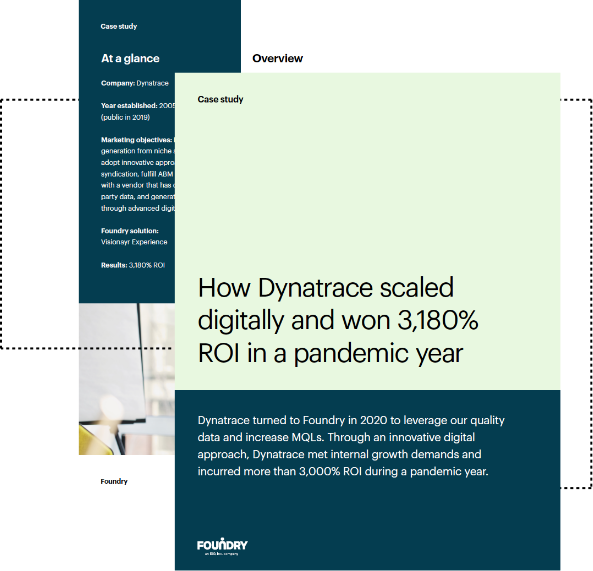
Marketing in the digital age has transformed the way businesses engage with their target audience. With the vast amount of data available, companies can now adopt an intent-driven approach and focus their efforts on potential customers who are actively searching for their products or services. This article will dive into the world of intent-driven leads and provide insights on how to achieve successful targeted keyword optimization to drive conversions and increase revenue.
Understanding Intent-Driven Leads
Intent-driven leads are a type of marketing strategy used by companies to target potential customers who are actively searching for products or services related to their business. This approach involves analyzing customer search data, such as keywords and online behaviors, to determine their level of intent to make a purchase. By identifying these potential leads, companies can tailor their marketing efforts to engage with them at the right time and in the right way.
Data Collection: The Foundation of Intent-Driven Leads
The process of generating intent-driven leads starts with data collection. Companies gather information from various sources, including search engine queries, social media interactions, and website analytics. This data is then analyzed to identify patterns and trends that indicate a customer’s intent to purchase. By understanding the keywords and phrases potential customers are using, businesses can optimize their content to align with their target audience’s needs and intentions.
Personalized Marketing Campaigns for Targeted Engagement
Once potential leads have been identified, companies can create targeted marketing campaigns to engage with them. This may involve personalized email marketing, social media advertising, or content creation that aligns with the customer’s interests and needs. By tailoring the messaging and timing of these campaigns to match the customer’s intent, companies can increase the likelihood of conversion.
The Benefits of Intent-Driven Leads
There are several benefits to using intent-driven leads. Firstly, this approach allows companies to focus their marketing efforts on customers who are more likely to make a purchase. By targeting customers at the right time, companies can increase their chances of closing a deal and generating revenue.
Secondly, intent-driven leads can help companies save on marketing costs. By concentrating their efforts on potential customers who have shown a high level of intent, companies can avoid wasting resources on customers who are less likely to convert. This targeted approach also allows for more efficient use of marketing budgets, maximizing return on investment.
Additionally, by analyzing intent-driven leads, companies can gain valuable insights into customer behavior and preferences. This information can be used to improve marketing strategies, product development, and overall customer experience. Understanding customer intent can help companies better meet their customers’ needs and expectations, leading to increased customer satisfaction and loyalty.
Achieving Successful Targeted Keyword Optimization
Targeted keyword optimization is essential when it comes to intent-driven leads. Here are some strategies to help you achieve successful targeted keyword optimization:
1. Keyword Research and Analysis
Start by conducting thorough keyword research to understand the search terms potential customers are using. Use keyword research tools, such as Google Keyword Planner or SEMrush, to identify relevant keywords with high search volumes and lower competition. This will help you optimize your content and increase the visibility of your website in search engine results.
2. Long-Tail Keywords
Long-tail keywords are longer and more specific keyword phrases that target a particular niche audience. These keywords are valuable for intent-driven leads as they indicate a higher level of intent to make a purchase. Incorporate long-tail keywords into your content to attract potential customers who are closer to the buying stage.
3. Optimize On-Page Elements
Optimize your website’s on-page elements to align with your targeted keywords. This includes the page title, meta description, headings, and image alt tags. Ensure that your targeted keywords are naturally incorporated into these elements to improve your website’s search engine rankings and visibility.
4. Create High-Quality and Relevant Content
Content plays a significant role in targeted keyword optimization. Create high-quality and relevant content that addresses your customers’ pain points and provides solutions. Incorporate your targeted keywords naturally throughout your content to enhance its relevance and visibility in search engine results.
5. Monitor and Adjust
Continuously monitor your keyword performance and adjust your strategy accordingly. Use analytics tools, such as Google Analytics, to track the performance of your targeted keywords and make data-driven decisions to optimize your content further. Regularly review and update your keyword strategy to ensure it remains relevant and effective.
Conclusion
In conclusion, intent-driven leads provide companies with a targeted approach to marketing. By analyzing customer search data to determine intent and tailoring marketing efforts accordingly, companies can increase their chances of converting potential leads into customers. This strategy not only saves on marketing costs but also provides valuable insights into customer behavior, ultimately improving overall business performance. Incorporate these strategies and optimize your keywords to crack the intent code and achieve successful targeted keyword optimization.