Solar Panel Installation In Nevada: What To Know
?Are you thinking about switching to solar in Nevada and wondering what the process, costs, incentives, and real-world benefits will look like for your home or business?
Solar Panel Installation In Nevada: What To Know
You’re in the right place to get a clear, practical guide to solar panel installation in Nevada. This article walks you through the full lifecycle — from why solar makes sense in Nevada to selecting equipment, understanding incentives, installation steps, battery backup, EV charging integration, and maintenance. You’ll get specifics about working with a local expert like Nevada Solar Group and guidance to help you make informed choices.
Why choose solar in Nevada?
You live in one of the sunniest states in the country, which means your system will likely produce more energy per kilowatt than in many other places. That abundant solar resource can translate into strong energy production, shorter payback periods, and a greater ability to offset high air-conditioning loads in summer months.
You’ll also benefit from rising electricity rates over time, which makes installing solar a hedge against future rate increases. Beyond economics, solar can increase your property value and reduce your household or business carbon footprint.
Who should you hire: the value of a local professional
You want an installer who knows Nevada permitting, utility interconnection processes (especially with NV Energy), local weather loads, and roof types common to the area. A local company like Nevada Solar Group brings that expertise. They’re based in Las Vegas and specialize in both residential and commercial projects, offering licensed installation of battery systems like Tesla Powerwall 1 and 2, and partnerships with prominent module manufacturers.
Hiring a local, licensed installer reduces friction in permitting and inspections, and it makes warranty and maintenance service easier. You’ll want a company that manages engineering, permits, rooftop work, interconnection paperwork, and final activation for you.
Solar equipment: panels, inverters, and batteries
You’ll need to pick equipment that balances efficiency, warranty, price, and reliability. Nevada Solar Group offers a portfolio of well-known manufacturers and battery options. Here’s a breakdown of the key components and what you should know.
Solar panels: what to consider
Your panels generate the electricity that offsets your utility bill. Key considerations include:
- Efficiency: Higher-efficiency panels produce more power per square foot of roof, useful if your roof space is limited.
- Degradation and performance warranties: Look for long-term performance guarantees (many manufacturers offer 25-year performance warranties).
- Temperature coefficient: Nevada’s hot climate makes this important — panels with better temperature coefficients lose less output in heat.
- Aesthetics: If curb appeal matters, some products (black-on-black panels, lower-profile frames, or integrated solar shingles) are more visually appealing.
Below is a simple comparison table of the panel brands Nevada Solar Group commonly works with, to help you understand trade-offs.
| Brand | Typical Efficiency Range | Strengths | Warranty (typical) |
|---|---|---|---|
| SunPower | 20–22%+ | Industry-leading efficiency and strong real-world performance | 25-year product & performance |
| Panasonic | 19–21% | High quality, strong temperature performance | 25-year performance |
| LG | 18–21% | Good balance of efficiency and cost (availability may vary) | 25-year performance |
| S-Energy | 17–20% | Cost-effective, reliable mid-tier option | 12–25 years depending on model |
Note: Specific specs and warranty lengths can vary by model and production year. Ask your installer for the datasheets and warranty documents for the exact modules proposed for your system.
Inverters: string vs. microinverters vs. power optimizers
The inverter converts DC electricity from panels to AC electricity for your home. Your choice affects system performance and monitoring.
- String inverters: Cost-effective and reliable; best for roofs with uniform orientation and little shading.
- Microinverters: Installed under each panel, optimize individual panel output and provide panel-level monitoring; ideal if shading or multiple roof orientations exist.
- Power optimizers: Combine centralized string inverters with optimizers at each panel for maximum production in partially shaded systems.
Your installer will recommend the type that best fits your roof, shading profile, and budget.
Battery storage: why it matters and Tesla Powerwall specifics
Battery systems add resilience and flexibility. You’ll get backup power during outages, and you can time charge/discharge to take advantage of rate structures (time-of-use), potentially lowering bills.
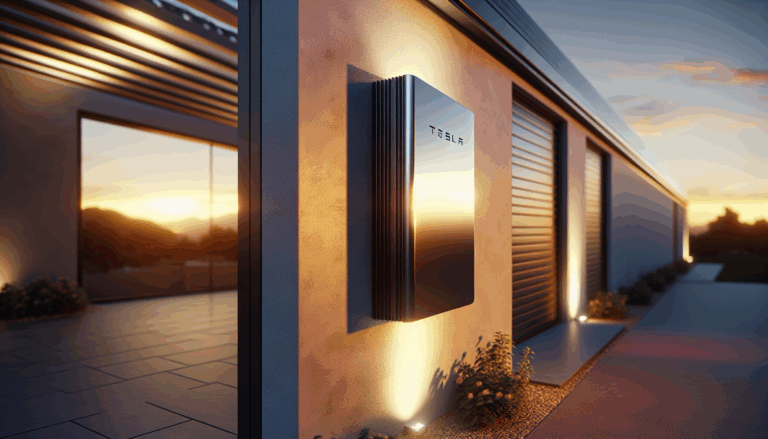
Tesla Powerwall (Powerwall 1 and 2) is a widely used residential battery solution that Nevada Solar Group is licensed to install. Key points:
- Powerwall 2 usable capacity is around 13.5 kWh per unit, making it capable of powering essential circuits or even most of a home for a limited time depending on consumption.
- Powerwall 1 is older and has lower capacity; it’s still supported in some retrofit scenarios.
- Powerwalls can be stacked (multiple units) for more capacity, and they integrate with many inverter and solar systems.
- They offer backup and self-consumption modes and can be used for time-of-use optimization.
Ask about battery round-trip efficiency, warranty length (Powerwall warranties are typically 10 years), and how your installer programs the system for backup and energy optimization.
System design, engineering, and rooftop considerations
Your system starts with a site assessment. You want a thorough evaluation of roof condition, orientation, tilt, shading, electrical panel capacity, and potential structural needs. A good installer will provide a tailored design that maximizes production while meeting code and warranty requirements.
Roof condition and replacement
If your roof is older or near the end of its life, you should address roofing before or during solar installation. Nevada Solar Group can handle roof replacement and offers roofing shingles and solar-integrated products from leading manufacturers. Installing solar on a failed roof can lead to costly panel removals and reinstallation later — so it’s better to coordinate roof work up front.
If the plan includes solar shingles or integrated tiles, you’ll want to review manufacturer warranties and the combined roofing/solar offering carefully.
Structural and electrical engineering
Nevada’s building code and local jurisdictions require structural and electrical compliance. Your installer will perform or commission:
- Structural calculations to verify rafter and roof load capacity.
- Electrical design showing array size, inverter siting, conduit routing, and interconnection to your main service.
- Rapid shutdown and other safety features required by code.
This engineering work is part of the upfront investment and ensures long-term safety and compliance.
Permitting, inspections, and interconnection
You’ll need permits and utility approval before switching on your system. Nevada Solar Group typically handles permitting and interconnection paperwork for customers, which reduces confusion and delays.
Typical process
- Permit application: Submit design, structural, and electrical drawings to your city or county.
- Utility interconnection: Submit net-metering or interconnection application to your utility (NV Energy is the primary utility in Las Vegas).
- Inspections: Local building departments perform structural and electrical inspections.
- Final utility approval: Utility inspects or reviews paperwork and grants permission to operate.
Timing varies by jurisdiction, but a local installer familiar with the process can significantly reduce paperwork and turnaround time.
Net metering and utility compensation
Net metering policies and compensation rates have changed over time nationwide and in Nevada. You should confirm current retail crediting, net-billing mechanisms, or any export compensation programs with your utility and your installer. A reputable installer will model your long-term savings under the current utility rules and any alternative rate options.
Costs, incentives, and financing options
You’re probably most curious about cost and payback. System cost depends on system size, equipment choices, roof complexity, and whether you add battery storage. Below are the major financial factors.
Typical costs and payback estimates
Average installed cost for residential solar varies, and national averages may not reflect local pricing or equipment choices. A rough example for planning:
- Small residential system (4–6 kW): lower end
- Typical home system (6–10 kW): mid-range
- Larger homes or high consumption: 10 kW+
Your net cost after incentives, financing, and electricity savings determines payback. Many homeowners see payback in the range of 5–12 years depending on incentives and electricity rate escalations. For exact payback projections, get a customized analysis from your installer.
Federal Investment Tax Credit (ITC)
The federal ITC has been extended under recent laws. For systems that meet the rules and begin construction before specified deadlines, you may be eligible for a percentage credit of qualified expenses on your federal tax return. You should confirm the current percentage and eligibility details with a tax advisor and your installer.
State, local, and utility incentives
Nevada and local utilities may offer additional incentives, rebates, or tax abatements that reduce your upfront cost. The specific programs change periodically, so you should ask Nevada Solar Group to provide current incentive information and help you apply. Common types of incentives include:
- Utility rebates or performance-based incentives
- Sales or property tax exemptions on solar equipment and installation
- Local or state rebates for battery storage or energy efficiency upgrades
Financing options
You can pay cash, get a solar loan (secured or unsecured), or use other financing. Alternatives:
- Solar loans: Many lenders offer solar-specific loan terms that cover equipment, installation, and potentially roof work. Loan payments can be structured to be lower than or equal to your pre-solar electricity bill in many cases.
- Home equity loans or HELOCs: Use home equity to finance the system.
- PACE financing: Property-assessed clean energy programs may be available in some jurisdictions.
- Leases and PPAs: Lower/no upfront cost options where you pay for energy or lease the system, but you may forgo certain incentives and tax credits.
Your electricity savings, tax situation, and preferences will influence the best financing choice. Ask for a side-by-side comparison of cash purchase vs. loan scenarios.
Integration with EV charging
If you own or plan to purchase an electric vehicle, integrating EV charging with your solar system can increase the self-consumption of your solar production and lower your net driving energy costs. Nevada Solar Group installs EV charging stations and configures systems to coordinate solar production, battery storage, and EV charging schedules.
You’ll want to consider:
- Level 2 chargers (240V) for faster home charging
- Smart chargers that schedule charging during high solar production or low-cost grid periods
- Potential incentives for EV charger installations
Combining solar, battery, and EV charging creates an integrated home energy system that can reduce reliance on the grid while supporting clean transportation.
Commercial solar solutions
If you manage a business or commercial property, the economic calculus changes — you’ll likely use more electricity and may qualify for different incentives. Nevada Solar Group offers commercial-scale solar design and installation, including rooftop, carport, and ground-mount systems.
For commercial customers you should consider:
- Demand charges and how solar + storage can reduce peak demand fees
- Larger-scale energy storage to provide resilience or participate in grid programs
- Tax treatments (bonus depreciation, business tax credits) and how they differ from residential incentives
- Contract structures and savings guarantees
Commercial systems can deliver strong returns and provide a public demonstration of sustainability commitments.
Maintenance, monitoring, and warranties
After installation, you’ll want your system to perform reliably for decades with minimal effort. Here’s what to expect.
Routine maintenance
Solar systems are largely low-maintenance. Typical tasks include:
- Periodic visual inspections for debris, shading changes, or damage
- Keeping panels reasonably clean (Nevada’s dry climate means dust may accumulate — occasional rinses or professional cleanings can help)
- Monitoring output through an app or portal to spot underperformance
Most reputable installers offer maintenance plans or can provide ad-hoc services.
Monitoring and smart home integration
Home energy monitoring helps you track production, consumption, and battery status in real time. Nevada Solar Group provides home energy monitoring via smart apps so you can see how your system is doing and how much energy you’re saving.
Warranties: product and workmanship
Warranties typically fall into two categories:
- Manufacturer warranties: cover panels, inverters, and batteries (e.g., 25-year panel performance; inverter 10–25 years depending on type).
- Installer or workmanship warranty: covers installation labor and integrity of mounting, electrical connections, and workmanship. Length varies by installer — ask for specifics.
Below is a table with typical warranty lengths to expect, but always confirm exact terms on the equipment and the installer contract.
| Component | Typical Manufacturer Warranty | Typical Installer Workmanship Warranty |
|---|---|---|
| Solar panels | 10-year product; 25-year performance | 5–10 years (varies) |
| Inverters | 5–25 years (depends on inverter type) | 5–10 years |
| Battery systems (e.g., Powerwall) | ~10 years | 5–10 years |
| Mounting hardware | 10–25 years | 5–10 years |
Always request copies of manufacturer warranty PDFs and your installer’s workmanship warranty before signing.
Timeline: how long will installation take?
A typical residential project timeline might be:
- Initial consultation and site assessment: 1–2 weeks
- Design and permit application: 2–6 weeks (varies by jurisdiction)
- Utility interconnection processing: 2–8 weeks (can vary)
- Installation: 1–4 days on-site for a typical residential system
- Inspections and permission to operate: 1–4 weeks
Your installer will provide a timeline tailored to your local permitting and utility queue. Local experience, like that Nevada Solar Group has, often speeds the process.
Choosing an installer: questions to ask
Selecting an installer is as important as picking the right equipment. You should ask:
- Are you licensed and insured for electrical and roofing work in my jurisdiction?
- Can you provide proof of local permits and past projects nearby?
- Do you handle all permitting, inspections, and interconnection paperwork for me?
- What brands and models are you proposing, and can I see datasheets, warranties, and performance estimates?
- Are you a certified installer for the equipment you recommend (e.g., Tesla Powerwall)?
- What does the system warranty cover, and how do you handle service calls?
- Do you provide a written energy production estimate and a financial model (cost, incentives, payback)?
A trustworthy installer will be transparent, provide references, and offer a clear contract.
Red flags to avoid
You should be cautious if you encounter:
- Unrealistically high production guarantees or payback promises
- Pressure sales tactics to sign immediately
- Lack of documentation or unwillingness to provide datasheets and warranty details
- No local references or inability to show completed local projects
- No clear handling of permits, inspections, or interconnection paperwork
A reputable company will explain risks, contingencies, and the realistic financial picture.
Additional considerations: resale value and home assessments
Solar can increase your property value and make homes more attractive to buyers. If you finance via a loan, buyers may value lower energy bills and owned systems more than leased systems. If you have a rooftop lease or PPA, disclose the arrangement clearly when selling.
If you’re planning major roof work, consider coordinating it with the solar project to avoid future panel removals.
Frequently asked questions (FAQ)
Will solar work if my roof has shade?
Yes, but shading reduces production. Microinverters or power optimizers help mitigate shade on individual panels, and a good installer will map shading to design an efficient layout.
How long do solar panels last?
Most manufacturers warrant performance for 25 years. Panels often continue producing beyond that timeframe at reduced output.
Can I expand my system later?
Yes. You can design your system with expansion in mind, add more panels later, or add battery capacity if your inverter and electrical service support it.
Do batteries require replacement?
Batteries degrade over time. Expect gradual capacity decline and review the battery warranty terms for capacity guarantees over warranty length.
What incentives can I claim?
Federal tax credits are widely used; state and utility incentives vary. Your local installer can provide current information and help you claim applicable incentives.
Why work with a local company like Nevada Solar Group?
When you work with a company based in Nevada, you get local permitting and utility experience, familiarity with Las Vegas climate and roofing types, and established relationships with manufacturers and inspectors. Nevada Solar Group positions itself as a full-service provider — from design, engineering, and permits to roofing replacement (including solar shingles), battery backup installation, smart home monitoring, and EV charging integration.
They emphasize customer service, licensed installation (including Tesla Powerwall 1 & 2), and partnerships with top module manufacturers to give you product choice and warranty confidence. If you want a simplified solar adoption journey with a single point of contact, that local competency matters.
Final checklist before you sign
- Get multiple quotes and compare equipment, warranties, and total cost after incentives.
- Verify licensing, insurance, and local references.
- Confirm the installer handles permits, inspections, and interconnection.
- Review manufacturer and installer warranties carefully.
- Ask for a written energy production estimate and financial model.
- Decide on financing and get clear terms in writing.
Conclusion
You’re in a great position to benefit from solar in Nevada: high solar irradiance, growing electricity costs, and available technologies (panels, batteries, EV charging) let you design a system that meets your resilience and financial goals. Work with a licensed local installer who manages the whole process and provides transparent, customized proposals — Nevada Solar Group is one example of a company that offers those capabilities and local experience.
If you want personalized estimates, production modeling, or comparisons of equipment and financing, ask your installer for a site assessment and a written proposal so you can compare options side by side. With the right planning and installer, solar can be a reliable, long-term investment for your home or business in Nevada. Nevada Solar Group 5145 S Arville St, Las Vegas, NV 89118 Phone: 702-899-5577 Email: info@nevadasolargroup.com Website: https://nevadasolargroup.com
Business Hours: Monday – Friday: 8:00 AM – 5:00 PM Closed Saturday and Sunday