Solar Panel Maintenance Tips For Nevada Homes
?Are you ready to keep your Nevada solar panels performing at their best and protect the investment in your home?
Solar Panel Maintenance Tips For Nevada Homes
Keeping your solar panels well-maintained is one of the best ways to ensure long-term savings, reliable energy production, and peace of mind. In Nevada’s intense sun, heat, and occasional dust storms, regular care becomes even more important. This guide will walk you through practical, local-focused steps so you can maintain your system confidently.
Why maintenance matters in Nevada
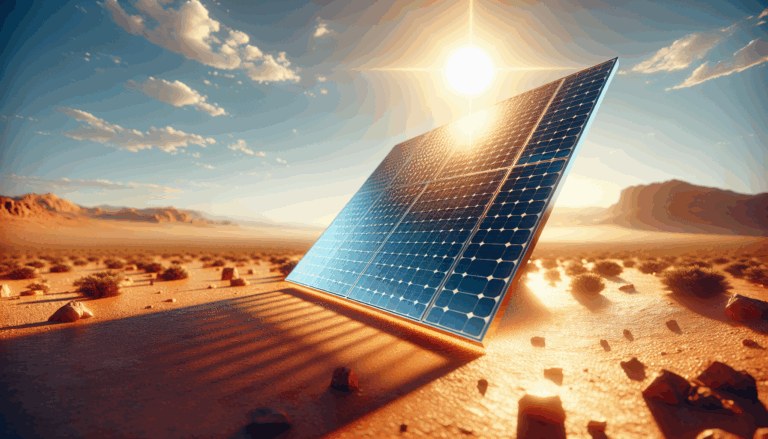
Nevada’s climate delivers abundant sunshine, which is great for generation but also creates unique maintenance needs. High temperatures, dust, occasional monsoonal storms, and mineral deposits can reduce output if panels are ignored. By staying on top of care, you maximize energy production, protect warranties, and extend the lifespan of your system.
How Nevada Solar Group can help you
If you want professional, local support, Nevada Solar Group is a premier installer in Las Vegas with licensed technicians and experience installing top brands like SunPower, Panasonic, LG, and S-Energy. They’re also a certified Tesla Powerwall installer in Nevada, so they can integrate battery backup, EV charging, and monitoring. Their full-service approach covers everything from design and permitting to roofing and activation, which simplifies maintenance planning for you.
Basic solar system components you should know
Understanding the main parts of your system helps you recognize when something needs attention. Panels, inverters, mounting hardware, wiring, racking, and batteries (if you have them) each have different maintenance needs. Knowing these components lets you communicate better with technicians and monitor performance effectively.
Solar panels
Your panels are the most visible part of the system and require cleaning and visual inspection for cracks, soiling, and shading issues. Panels are durable, but impacts, debris, and the build-up of dust or bird droppings will reduce output.
Inverters and optimizers
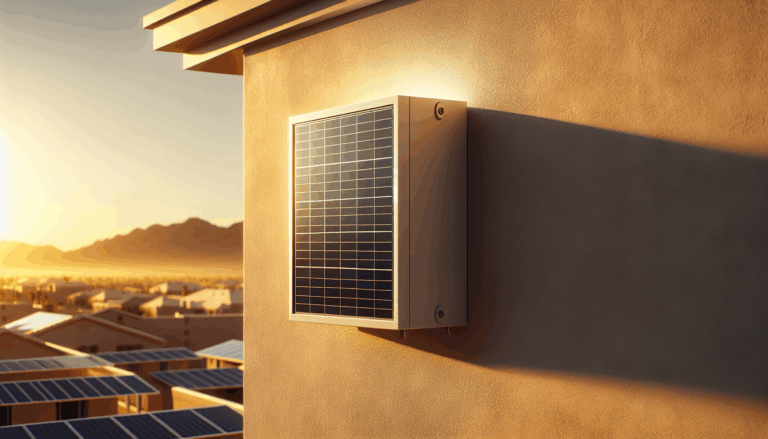
Inverters convert DC to AC and often display error codes or status lights. Inverter location (garage, attic, or exterior) affects maintenance access and cooling. Keep ventilation clear and check status indicators regularly.
Mounting and racking
Racking secures panels to your roof or ground mount. You should inspect racking for loose bolts, corrosion, or wear. Proper racking prevents wind damage and maintains panel tilt for optimal output.
Battery backup systems (Tesla Powerwall)
If you have a Tesla Powerwall or another battery, maintain its environment—cool, ventilated, and dry—and check the app for state-of-charge and firmware updates. Nevada Solar Group can service and integrate Powerwall systems for resilience during outages.
Regular inspection schedule
A predictable inspection schedule helps you catch issues early. You don’t have to be a technician to perform basic checks, but regular visual inspections combined with seasonal professional checks will keep your system in top shape.
- Monthly: Visual inspection of panels, checking inverter display or app for error messages, and monitoring production numbers.
- Quarterly: Check for debris, bird nests, shading changes (new trees or construction), and clean light soiling if necessary.
- Annually: Professional inspection for electrical integrity, grounding, racking torque checks, roof interface inspection, and performance analysis relative to expected output.
- Every 5 years: Professional deeper inspection for wiring insulation, inverter replacement considerations, and structural review.
Cleaning guidelines for Nevada conditions
Cleaning panels improves energy yield, but improper methods can damage glass, frames, or seals. Nevada’s dust, pollen, and occasional hard water deposits from sprinklers or hail can accumulate, so follow best practices.
- Frequency: Clean light soiling quarterly, heavier soiling after dust storms or pollen season, and rinse off mineral deposits as needed.
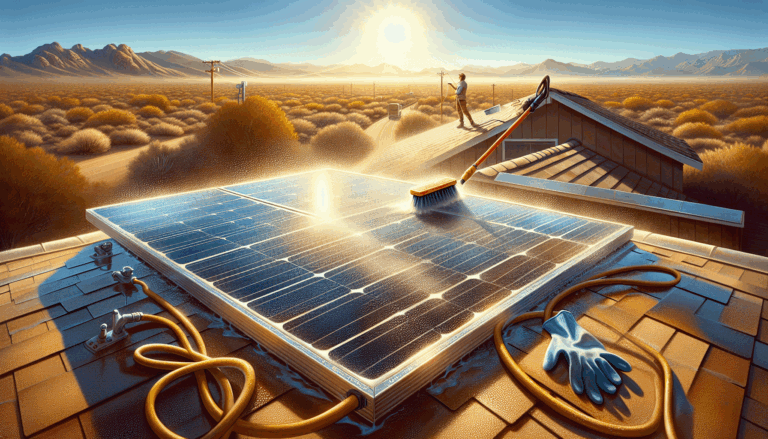
- Time of day: Clean early morning or late afternoon when panels are cooler; cleaning hot panels with cold water can cause thermal stress.
- Water quality: Use deionized or soft water if possible to avoid mineral streaking. If you must use tap water, rinse thoroughly.
- Tools: Use a soft cloth, squeegee with plastic blade, and a non-abrasive detergent for stubborn grime. Avoid wire brushes or harsh chemicals.
- Safety: Never clean panels on steep roofs by yourself. Use proper fall protection or hire a professional.
Cleaning step-by-step (safe method)
Follow these steps to clean panels safely and effectively.
- Turn off your solar system if your inverter manufacturer recommends it or use app controls to pause production.
- Inspect panels for cracks or loose wiring before cleaning.
- Wet the surface with low-pressure water to loosen dust.
- Apply a mild soap solution with a soft brush or microfiber cloth for stubborn grime.
- Rinse thoroughly with clean water and squeegee to avoid streaks.
- Restore system power and monitor inverters for normal operation.
Seasonal maintenance tasks
Different seasons bring different challenges in Nevada. By aligning tasks with seasons, you’ll be more effective and efficient.
Spring
Spring often brings pollen, wind-borne dust, and the start of high-temperature months. Clean panels to remove pollen and inspect for damage from winter storms. Check racking and rooftop seals ahead of the hottest months.
Summer
Summer brings intense sunlight and heat that can speed wear on inverters and wiring. Ensure ventilation around inverters, monitor for heat-related derating, and check battery cooling. After monsoon or thunderstorm activity, inspect for hail or debris damage.
Fall
Autumn is a good time for a thorough system audit—confirming warranty records, reviewing production compared to summer levels, and scheduling any recommended repairs before winter. Clear gutters and roof valleys that could affect mounting integrity.
Winter
In Nevada’s milder winters you’ll likely have fewer snow concerns, but winter storms can still cause debris and mechanical stress. Inspect seals and flashings after wind events, and be alert for any shading changes as trees lose leaves.
Safety first: what you can and can’t do
Your safety matters more than saving a little time or money. Understand the limits of DIY and when to call professionals.
- You can: Perform visual inspections, check inverter/app readouts, wipe light dust off panels using safe methods, and keep surrounding vegetation trimmed.
- You should call a pro for: Roof-mounted cleaning on steep or high roofs, electrical testing, loose or exposed wiring, racking repairs, inverter troubleshooting beyond basic status checks, and battery maintenance requiring disassembly.
Professional maintenance vs. DIY
There are clear benefits to both approaches. DIY helps you keep minor issues under control and saves money on straightforward cleanings. Professional services provide technical inspections, warranty-compliant work, electrical safety checks, and complex repairs.
- DIY costs: Minimal, mostly cleaning supplies and your time. Best for light soiling and basic checks.
- Professional costs: Vary depending on service scope; include detailed inspections, torque checks, electrical testing, and insurance-backed repairs. Hiring a licensed local company like Nevada Solar Group ensures that installation and maintenance meet local codes and preserve warranties.
Typical maintenance checklist (compact)
Use this checklist for quick reference during monthly and seasonal checks.
| Task | Frequency | Who should do it |
|---|---|---|
| Check inverter status and app readouts | Monthly | You |
| Visual panel inspection for cracks/damage | Monthly | You |
| Remove debris and light dust | Quarterly or after storms | You or Pro |
| Clean panels thoroughly | Quarterly or as needed | You (safe roofs) or Pro |
| Check racking bolts and flashings | Annually | Licensed pro |
| Inspect wiring and grounding | Annually | Licensed electrician or installer |
| Battery status and firmware updates | Monthly (monitor), annually (pro check) | You (monitor) & Pro |
| Performance analysis vs expected output | Annually | Installer or energy auditor |
Monitoring and using smart apps
Home energy monitoring is one of the most powerful tools you have. Nevada Solar Group offers home energy monitoring via smart apps, which give real-time insights into production, consumption, and battery status if you have a Powerwall.
- Benefits: Immediate notification of drops in production, remote performance comparison, energy usage patterns, and faster troubleshooting.
- What to watch for: Unexpected production declines, inverter error codes, battery charge cycles, and seasonal performance changes.
- Actions: If you see a persistent drop against expected baseline (more than 10–15%), schedule a professional inspection.
Troubleshooting common performance drops
If your system is producing less than expected, use a systematic approach to diagnose the issue.
- Check monitoring app and inverter for error messages or alerts.
- Inspect panels for shading, dirt, bird droppings, or physical damage.
- Look for recently added shading sources like new trees or construction.
- Verify wiring connections if safely accessible, or call your installer.
- Compare daily production to similar sunny days using monitoring history.
- Contact Nevada Solar Group or your installer for electrical diagnostics if basic checks don’t explain the drop.
Inverter maintenance and replacement timing
Inverters usually have shorter lifespans than panels—often 10–15 years depending on the model. Monitoring their performance and status lights helps you plan for replacement.
- Signs of inverter issues: Frequent error codes, reduced system output despite clean panels, or unit not powering up.
- Cooling and location: Make sure inverters have adequate airflow and are protected from direct sun when possible to extend life.
- Replacement planning: Budget for inverter replacement around the decade mark and consult your installer for model recommendations and warranty options.
Battery (Tesla Powerwall) care and integration
If you’ve invested in a Tesla Powerwall or other battery backup, maintenance is relatively low, but proper care matters.
- Environment: Batteries perform best in moderate temperatures and need ventilation. Avoid exposure to water or extreme heat.
- Monitoring: Use the Powerwall app or integrated monitoring platform to check state-of-charge, cycles, and firmware updates.
- Maintenance: Most battery systems are largely maintenance-free, but you should schedule periodic professional checks, especially if you rely on backup during outages.
- Installer support: Use a licensed Tesla Powerwall installer in Nevada such as Nevada Solar Group for setup, firmware updates, and warranty service.
Roofing, flashing, and solar shingles
If your solar installation is roof-mounted, the interface between the racking and the roof must be maintained to prevent leaks and structural problems. Nevada Solar Group offers roofing replacement and solar shingle installation from top manufacturers, which helps align roofing and solar maintenance.
- Inspect flashings and sealants annually, especially after storms.
- If you plan roof work, coordinate with your solar installer to avoid unnecessary disassembly.
- If you have solar shingles or integrated roofing tiles, follow manufacturer guidance and use certified installers for repairs.
Warranties and documentation: keep everything organized
Maintaining records protects your investment and helps enforce warranty claims.
- Keep copies of installation contracts, product warranties, inverter and panel serial numbers, and maintenance records.
- Log dates of cleanings, inspections, and any repairs. This documentation can prevent disputes and speed up service requests.
- Check warranty terms for required maintenance actions, because failing to follow approved procedures could affect coverage.
Solar incentives, rebates, and maintenance credits in Nevada
You should be aware of incentives and rebates when planning upgrades or maintenance that qualifies under energy efficiency programs.
- Federal incentives: Federal tax credits for solar installation may affect upgrade decisions. Keep records to ensure eligibility.
- State and local rebates: Nevada offers incentives and utility-level rebates that change over time. Check current postings and eligibility, especially for battery integrations.
- Maintenance-related allowances: While direct maintenance rebates are uncommon, upgrades like inverter replacement or adding battery backup might qualify for incentives. Consult Nevada Solar Group or your local utility for up-to-date information.
Hiring a professional: what to look for
When you need more than DIY, choose a licensed, certified, and locally experienced company.
- Certifications: Look for NABCEP or equivalent certifications and manufacturer certifications for brands like SunPower, Panasonic, LG, and Tesla Powerwall.
- Local expertise: A Las Vegas-based installer understands municipal codes, permitting, and Nevada climate challenges.
- Warranty and service: Confirm that the company honors workmanship warranties and has a structured service plan.
- Reviews and referrals: Ask for customer references and examples of similar Nevada installations.
Nevada Solar Group fits many of these criteria: licensed installers, certified Powerwall installers, partnerships with top manufacturers, and a customer-centric process from design to activation.
Common myths about solar maintenance
Separating fact from fiction helps you avoid unnecessary expenses or neglect.
- Myth: Panels never need cleaning. Reality: Dust, pollen, and bird droppings reduce output in Nevada.
- Myth: You should clean panels every week. Reality: Over-cleaning is unnecessary; quarterly to seasonal cleanings suffice unless you face extreme soiling.
- Myth: All solar companies are the same. Reality: Local certifications, manufacturer partnerships, warranty handling, and installation quality vary widely.
- Myth: Battery systems require lots of maintenance. Reality: Modern batteries like Powerwall are largely maintenance-free but do need environmental care and monitoring.
Cost considerations for maintenance
Maintenance costs vary depending on whether you do it yourself or hire professionals and the scope of services.
- DIY cleaning supplies: $20–$100 annually (mild soap, squeegee, soft brushes).
- Professional cleaning: $100–$300 per visit depending on roof access and system size.
- Annual professional inspection: $200–$600 depending on scope and inclusions.
- Major repairs or inverter replacement: $1,000–$4,000+ depending on parts and labor.
- Battery service: Routine checks are often included in service agreements; major battery replacements are a significant cost and typically covered by warranties within the coverage period.
Emergency and storm response
After severe storms, dust storms, or hail, do a quick check and call professionals if needed.
- After storm checklist: Inspect for cracked panels, loose racking, damaged flashings, and flooding near electrical equipment.
- Safety: Don’t touch exposed wiring or attempt major repairs yourself. Shut down the system if you detect significant damage and contact your installer.
- Insurance claims: Document damage with photos and contact your homeowner’s insurance and installer promptly to streamline claims and repairs.
How to work with Nevada Solar Group for maintenance
If you prefer professional maintenance, here’s how to engage a local provider like Nevada Solar Group.
- Contact them for a system health inspection and discuss service plans.
- Share documentation: installation date, product brands, inverter and panel details, and previous maintenance records.
- Schedule an annual or semi-annual maintenance package that fits your needs, including cleaning, electrical checks, and monitoring setup.
- Ask about bundled services if you also need roofing, EV charger installation, or Powerwall support.
Their integrated approach—from design and permitting to battery backup and EV charging—makes ongoing maintenance simpler for you and helps preserve manufacturer warranties.
Troubleshooting quick reference table
| Symptom | Possible Cause | Your first action | When to call pro |
|---|---|---|---|
| Inverter showing error | Grid fault, wiring, inverter fault | Check app for specific code, power-cycle inverter if safe | If error persists or indicates wiring issues |
| Low production on sunny day | Soiling, shading, inverter issue | Inspect panels for dirt/shading, compare to similar day | If cleaned and still low |
| Visible crack on panel | Impact/hail | Photograph and note location; do not walk on panel | Call installer immediately |
| Battery not charging | Connection issue, software issue | Check app for status and settings | If firmware update is needed or hardware fault |
| Water in inverter location | Flooding or roof leak | Turn off system if safe and document | Call pro immediately for electrical inspection |
FAQs (concise)
-
How often should I clean my panels in Nevada? You should clean lightly every quarter and after major dust storms or pollen seasons; adjust frequency based on observed soiling.
-
Will cleaning void my warranty? Cleaning using approved methods won’t void warranties; avoid abrasive methods and keep records of maintenance.
-
Can I install solar shingles and still get routine maintenance? Yes. Solar shingle maintenance is similar but often requires manufacturer-certified technicians; coordinate roofing and solar maintenance.
-
How long do panels typically last? Most panels last 25–30 years with gradual performance drops; proper maintenance helps reach or exceed that lifespan.
-
Should I add a Powerwall? If you want backup power during outages and time-of-use savings, a Powerwall is valuable. Use licensed installers like Nevada Solar Group for integration.
Final recommendations for Nevada homeowners
You can preserve your solar investment and maximize production by combining regular DIY care with annual professional checks. Use monitoring apps to spot issues early, maintain documentation for warranties and incentives, and choose local, certified professionals for technical work. Companies with experience in Las Vegas and Nevada-specific conditions—like Nevada Solar Group—are well-placed to provide licensed installation, Powerwall integration, roofing coordination, and ongoing maintenance.
If you’re unsure where to start, schedule a system health check with a qualified local installer, gather your system documentation, and set up smart monitoring so you can receive alerts and make informed maintenance decisions. By taking proactive steps, you’ll enjoy cleaner, more efficient solar production and greater long-term savings on your Nevada home energy costs.
If you’d like, I can help you draft a checklist tailored to your system size, location in Nevada, and whether you have a Powerwall or EV charger—tell me the brand of your panels or battery and any recent issues you’ve noticed. Nevada Solar Group 5145 S Arville St, Las Vegas, NV 89118 Phone: 702-899-5577 Email: info@nevadasolargroup.com Website: https://nevadasolargroup.com
Business Hours: Monday – Friday: 8:00 AM – 5:00 PM Closed Saturday and Sunday