Home EV Charging Solutions For Tesla Owners
Looking to set up reliable, cost-effective EV charging at home for your Tesla?
Home EV Charging Solutions For Tesla Owners
You’re reading this because you want charging that’s convenient, fast, and integrated with your home energy system. This guide walks you through options, requirements, costs, incentives, warranties, and best practices — with a focus on getting it right in Nevada and how Nevada Solar Group can help.
Why home charging matters
You’ll save time and money by charging at home instead of relying only on public chargers. Home charging gives you control over timing, cost, and how “green” your electricity use is when paired with solar and battery storage.
Who this guide is for
This is for Tesla owners who own or rent a home, are considering solar or a Powerwall, or want to upgrade a simple 120V plug to a smart Level 2 charger. If you want one-stop local advice in Las Vegas or elsewhere in Nevada, you’ll find practical, region-specific steps here.
Charging levels and what they mean for you
You’ll want to understand the three common charging levels so you can match speed, cost, and electrical requirements to your driving habits.
Level 1 (120V) — slow but simple
Level 1 uses a standard household outlet and gives you roughly 3–5 miles of range per hour. It’s fine if you drive very little and want zero-installation simplicity, but it’s impractically slow for daily commuters.
Level 2 (240V) — the best balance for home use
Level 2 chargers add about 20–44 miles of range per hour depending on charger amperage and your Tesla model. Most homeowners choose Level 2 because it’s fast enough for overnight charging and can be integrated with solar and battery systems.
DC Fast Charging (DCFC) — not typically for home
DC fast charging can add hundreds of miles in an hour, but the equipment and electrical service demands are generally too large and costly for residential use. You’ll encounter DCFC primarily at commercial charging stations.
Tesla-specific charging options
As a Tesla owner, you have manufacturer-optimized equipment and integration choices that make charging simpler and more efficient.
Mobile Connector (Level 1 and portable Level 2)
Your Tesla Mobile Connector can charge from a standard 120V outlet or a 240V outlet (with an adapter). It’s portable and good as a backup, but a dedicated, hardwired Level 2 charger gives you faster and more reliable charging.
Tesla Wall Connector (recommended for most homeowners)
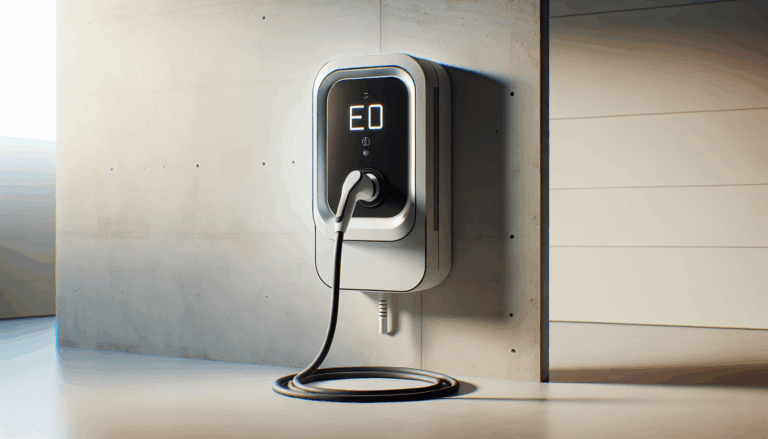
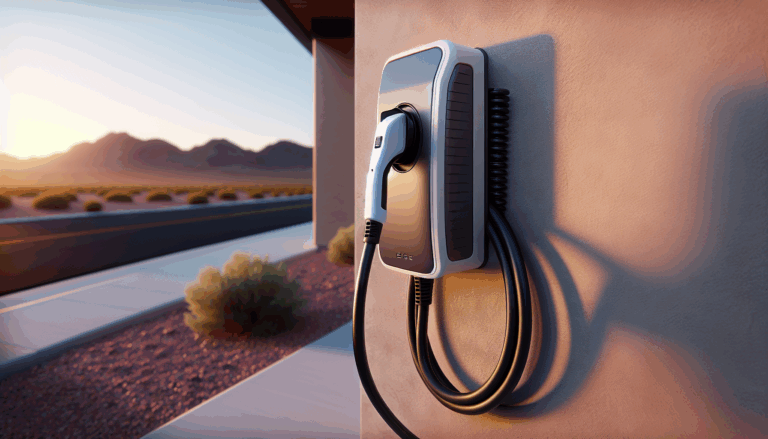
The Tesla Wall Connector is a home Level 2 charger that you can hardwire to your panel or connect to a 240V outlet. You’ll get faster charging speeds and smart features such as power sharing when you have multiple Teslas at one property. The Wall Connector is often the preferred option for Tesla owners because it offers integration and firmware updates through your vehicle.
Mobile Connector vs Wall Connector — quick comparison
- Mobile Connector: portable, lower amperage on standard circuits, good as a backup.
- Wall Connector: permanent, higher amperage, better for daily charging and multiple vehicles.
Electrical requirements and installation basics
You’ll need to check your electrical service, panel capacity, and permit needs before installing a Level 2 charger.
Panel capacity and service upgrades
Level 2 charging typically needs a 240V circuit sized between 30A and 60A. If your panel is already near capacity, you may need a panel upgrade or service upgrade (e.g., 200A main) to support the charger plus other household loads. Nevada Solar Group can assess your panel and recommend upgrades.
Circuit and breaker sizing
Your electrician will size the circuit for continuous load (typically 125% of the charger’s continuous current) and choose the proper breaker and wire gauge. For example, a 40A continuous charger will usually be installed on a 50A breaker with 6 AWG copper wire.
Permits and inspections
You’ll need a permit and inspection for a hardwired Level 2 charger in most Nevada jurisdictions. Nevada Solar Group handles permitting as part of their installation services, making the process smoother for you.
Costs: hardware, installation, and total price ranges
You’ll want realistic cost expectations before you commit to an installation.
Typical cost ranges (approximate)
- Mobile Connector: often included with Tesla; adapter costs additional if needed.
- Tesla Wall Connector hardware: $400–$650 (prices vary).
- Level 2 charger (third-party): $300–$1,000 depending on features.
- Installation (basic, short run): $300–$800.
- Installation with panel upgrade or long conduit run: $800–$3,000+.
- Service upgrade or panel replacement: $1,500–$6,000+ depending on scope.
- Integration with solar and Powerwall: varies widely; see solar + storage section.
These are ballpark figures and will vary with site specifics and electrician rates. You’ll want a site-specific quote from a licensed installer such as Nevada Solar Group.
Cost-saving opportunities
You’ll lower long-term costs by charging during off-peak rates, using solar to offset grid charging, and by taking advantage of available rebates or tax incentives. Nevada Solar Group can help you compare scenarios.
Charging with solar and battery storage
Combining solar, a Tesla Powerwall, and EV charging is one of the most efficient ways to reduce your operating costs and increase energy resilience.
Why integrate solar and Powerwall with EV charging
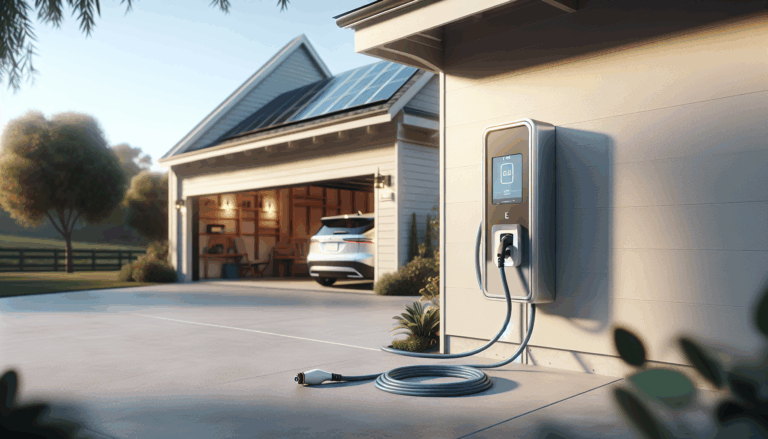
You’ll reduce grid energy use, save on fuel costs, and maintain charging during outages by combining rooftop solar and a battery like the Tesla Powerwall. Solar produces daytime energy that can charge your EV or fill the Powerwall for night charging.
Tesla Powerwall 1 and 2 — what you should know
Tesla Powerwall comes in models with different capacities and features. Powerwall 2 has higher usable capacity than Powerwall 1 and is the common choice for new installations. Nevada Solar Group is a licensed installer of both Powerwall 1 and 2, and they can explain how each integrates with your home and EV charging.
Load prioritization and smart charging
You’ll have choices for charging strategy: prioritize home loads, charge your car only during solar production, or charge from the grid during off-peak rates. Powerwall and many smart chargers support configurable rules so you can match charging to your goals — cost savings, carbon reduction, or backup readiness.
Nevada-specific incentives and considerations
You’ll want to take advantage of the incentives and programs available in Nevada to reduce upfront costs and improve payback.
State and local incentives
Nevada has a favorable solar market with local incentives and net metering policies that can impact how you integrate solar and EV charging. Incentive programs and rates change, so you should check current offerings with NV Energy and local authorities. Nevada Solar Group monitors these programs and will help you claim applicable rebates and incentives.
Utility programs and time-of-use rates
You’ll likely encounter time-of-use (TOU) rate plans from utilities that make off-peak charging especially valuable. NV Energy and other local utilities may offer special programs for EV owners or incentives for EV charger installations. Ask Nevada Solar Group to review utility options for your address.
Federal tax credits (general guidance)
You may be eligible for federal tax credits or incentives for solar and battery installations. Tax credit programs change, so consult a tax professional and have Nevada Solar Group confirm current applicability for your project. A qualified installer can help you apply for all relevant local, state, and federal incentives.
Selecting the right charger for your Tesla
You’ll want a charger that matches your Tesla’s onboard charger, driving needs, and home electrical capacity.
Key selection factors
Consider charging speed, whether the charger supports adjustable amperage, smart features (scheduling, app control), installation location, and whether you plan to charge multiple EVs. You’ll also weigh hardwired versus plug-in, and whether you want load management or Powerwall integration.
Recommended setups by use case
- Minimal driver (short commute): Level 1 or low-amperage Level 2 is fine.
- Daily commuter with 30–50 miles/day: 32A–40A Level 2 charger typically meets needs.
- Multiple EVs or quick top-ups: 48A–60A charger (or multiple chargers with load sharing).
- Off-grid or backup-focused: Combine solar + Powerwall with controlled charging settings.
Multi-vehicle homes
If you have more than one Tesla, you’ll either install multiple chargers or a power-managed system that shares a single circuit among vehicles. Tesla Wall Connector supports power sharing across chargers, which is useful for two or three vehicles.
Installation process and timeline
You’ll want to know what happens from quote to first charge.
Typical steps
- Site assessment and quote: electrician or installer evaluates location, panel, and circuit needs.
- Permitting: installer pulls the required permits (Nevada Solar Group can handle this).
- Installation: mounting, wiring, breaker, and charger setup (often a day or two).
- Inspection: local authority inspects wiring and sign-off.
- Activation and testing: final setup, app pairing, and a test charge.
How long it takes
From initial site visit to final inspection can be as quick as one week for straightforward installs or several weeks if permits, panel upgrades, or parts lead times are involved. If you’re adding solar and Powerwall, expect a longer timeline due to system design and permitting complexities.
Warranty and reliability — what you should expect
You’ll want to protect your investment with product and workmanship warranties. Here’s how warranties typically break down and what they mean for you in Nevada.
Solar panel warranties (typical manufacturer terms)
Solar panel warranties usually include:
- Product warranty: 10–25 years against manufacturing defects.
- Performance warranty: guarantees a certain output level over time (often ~80–92% at 25 years). Top brands commonly used by Nevada Solar Group (SunPower, Panasonic, LG, S-Energy) provide robust product and performance warranties, with some offering 25-year performance guarantees.
Inverter and microinverter warranties
Inverters are critical components with typical warranties:
- String inverters: commonly 10–12 years, extendable to 20 years.
- Microinverters (e.g., Enphase): often 20–25 years. Nevada Solar Group will explain inverter choices and extension options for your system.
Tesla Powerwall warranty
Tesla Powerwall comes with a limited warranty, commonly 10 years, covering defects and providing a capacity retention guarantee. Warranty terms can specify a minimum retained capacity (for example, a guaranteed percentage after the warranty period). Nevada Solar Group is a licensed installer and will handle Powerwall warranty registration and support tasks.
EV charger warranties
Chargers such as the Tesla Wall Connector and many third-party Level 2 chargers come with product warranties that typically range from 1 to 5 years or more depending on manufacturer. Ask about extended manufacturer or installer-backed workmanship warranties from Nevada Solar Group.
Installer workmanship warranty
You’ll want a workmanship warranty that covers installation errors and related issues for a period specified by the installer. Nevada Solar Group emphasizes customer service and typically provides warranty/assurance on installation quality — confirm the exact terms when you get your quote.
Warranty support and claims process
If you experience a defect or failure, Nevada Solar Group can help you navigate manufacturer claims, onsite diagnostics, and, if necessary, part replacement or repair. Keep documentation, serial numbers, and proof of purchase to streamline claims.
Maintenance and troubleshooting
You’ll want minimal downtime and long-term reliability. Regular checks and simple maintenance keep your system healthy.
Routine maintenance tasks
You should visually inspect the charger and cabling periodically, ensure mounting hardware is secure, and check for software updates if the charger or Powerwall supports OTA updates. For solar, an annual inspection of panels, wiring, and inverters is a good practice.
Common charging issues and quick fixes
- No charge: check breaker and charger status lights first; reset breaker if tripped.
- Slow charging: confirm charger amperage setting, vehicle onboard charger limit, and that the circuit isn’t shared with heavy loads.
- Charger not communicating: power-cycle the charger and check Wi-Fi or network settings. If you can’t resolve an issue, contact your installer — Nevada Solar Group offers support and troubleshooting.
Safety considerations
You’ll want safety first for your family and property.
Code compliance and professional installation
Always use a licensed electrician for Level 2 installation and permit the work. Proper grounding, correct wire sizing, and compliance with local electrical code are essential. Nevada Solar Group’s experience in Nevada ensures installations meet state and municipal requirements.
Fire safety
Switchgear, breakers, and wiring must be installed and rated properly to reduce fire risk. Regular inspections and ensuring breakers aren’t overloaded are good preventive measures.
Choosing an installer — why local expertise matters
You’ll benefit from choosing a licensed, local installer with experience integrating solar, storage, and EV charging.
What to look for
- Licensing and insurance: confirm the installer’s state licenses and insurance coverage.
- Product portfolio: access to top brands (SunPower, Panasonic, LG, S-Energy, Tesla).
- Warranty and support: clear workmanship and product support promises.
- Permitting and utility experience: knowledge of local permit processes and NV Energy interaction. Nevada Solar Group meets these criteria and specializes in Las Vegas and Nevada solar, Powerwall, and EV charger installations.
Questions to ask at a consultation
- What permits will you pull and how long will approval take?
- What warranties do you provide for equipment and installation?
- How will the charger integrate with my solar and Powerwall?
- What are estimated total project costs, and are there financing options? Nevada Solar Group provides a streamlined process from consultation through activation, handling these items for you.
Example system scenarios
Here are typical setups to help you choose what suits your needs.
Basic: Single-Tesla commuter with modest electricity needs
- Charger: 32A Level 2 (Tesla Wall Connector or equivalent).
- Panel: No changes if panel capacity exists.
- Cost: lower-range installation; minimal permit complexity. This setup gives overnight charging for most commutes without major electrical upgrades.
Intermediate: Daily commuter who wants solar offsets
- Charger: 40A–48A Level 2 charger.
- Solar: 6–8 kW rooftop system sized for household and EV charging.
- Battery: optional Powerwall for backup and evening charging. You’ll reduce grid energy use and lower your fuel costs significantly.
Advanced: Multiple EVs, backup power, and energy independence
- Charger: multiple Wall Connectors with load-sharing or a higher-capacity dedicated circuit.
- Solar: larger array tailored to vehicle mileage and household usage.
- Battery: one or more Powerwalls for backup and managed charging. This offers the most resilience, local control, and potential long-term savings.
Comparison table: Charger types at a glance
| Feature | Level 1 (120V) | Level 2 (240V) | DC Fast Charge |
|---|---|---|---|
| Typical miles/hour | 3–5 | 20–44 | 200+ |
| Installation | None | Professional recommended | Commercial-grade |
| Cost (hardware + install) | Low | Moderate | Very high |
| Best for | Occasional drivers | Daily commuters | Long-distance fast top-up |
| Integration w/solar | Limited | Excellent | Rare |
You’ll use this table to quickly decide which technology aligns with your driving and budget needs.
Solar panel warranty information for Nevada buyers
You’ll want clear expectations about warranties when you buy solar in Nevada. Here’s what matters.
Typical warranty elements to review
- Product warranty: protects against manufacturing defects and premature failures.
- Performance warranty: guarantees that panels will produce a certain percentage of rated power over time (e.g., 80–92% at 25 years).
- Labor/install warranty: covers workmanship and installation-specific issues. Nevada Solar Group emphasizes robust product warranties from top manufacturers and provides installation warranties so you’re covered long-term.
Example manufacturer warranties
- SunPower: often offers a combined product and performance warranty up to 25 years.
- Panasonic: typically provides 25-year performance warranties and long product warranties.
- LG: historically provided strong 25-year warranties (check model-specific terms).
- S-Energy: performance warranties commonly around 25 years (model dependent).
- Tesla Powerwall: 10-year limited warranty with capacity retention terms. Exact terms vary by product and model; Nevada Solar Group will present the warranty documents for your selected equipment and explain what’s covered.
What to ask your installer about warranties
- Who handles claims: you or the installer?
- Are warranty transfers included if you sell the home?
- What maintenance is required to keep warranties valid? You’ll want these answers in writing. Nevada Solar Group assists with warranty registrations and claims to simplify the process.
Financing options and ROI
You’ll want to understand financing, cash incentives, and expected payback.
Financing options
Common options include cash purchase, solar loans, equipment financing, and leasing (less common for combined solar + battery + charger setups). Ask about PACE financing or local loan programs that might apply in Nevada.
Return on investment and savings
Your ROI depends on system size, local electricity rates, driving patterns, solar production, and incentives. Combining solar with EV charging typically shortens payback because you’re offsetting gasoline and mains electricity simultaneously.
Final checklist before you begin
You’ll want to make sure key items are covered before committing.
- Confirm your driving range and daily mileage.
- Identify desired charger type and features (smart scheduling, power sharing).
- Check panel capacity and permit requirements for your location.
- Request a detailed quote that lists hardware, labor, permits, and possible upgrades.
- Ask about warranty terms, support, and contingency for future expansion. Nevada Solar Group will help you tick off all items and provide a clear, transparent project plan.
FAQs
You’ll likely have additional questions. Here are quick answers to common ones.
- Can I charge my Tesla entirely from solar? Possibly, if your solar array is large enough and production aligns with charging times or if you have sufficient battery storage to shift solar energy to the times you charge.
- Do I need a Powerwall to charge during outages? Without a battery, your home and charger lose power during grid outages. A Powerwall provides backup charging capability.
- How long does a Powerwall last? Powerwall warranties typically cover 10 years; actual useful life can exceed that depending on cycles and conditions.
- Will charging damage my Tesla battery over time? Modern EVs and chargers manage charging logic to protect battery health. Using Level 2 at appropriate amperage is routine and safe.
How Nevada Solar Group helps you
You’ll get local expertise, certified installations, and a full-service process with Nevada Solar Group. They offer solar panels from top brands, are licensed Tesla Powerwall installers, and provide EV charging station installation and home energy monitoring. Their focus on customer service simplifies the transition to solar, battery backup, and efficient EV charging.
Services they provide
- System design and engineering for solar + battery + EV charging.
- Permitting and inspections handled on your behalf.
- Roofing and solar shingle installation if you need roof work.
- Home energy monitoring via smart apps to track charging, solar production, and consumption.
- Warranty support and maintenance services.
Next steps
You’ll benefit most from a site-specific assessment. Schedule a consultation with a licensed installer who knows Nevada rules and incentives. Nevada Solar Group can visit your home, evaluate panel and electrical capacity, outline options, and provide a detailed quote.
You can contact them to get a personalized plan for your Tesla, whether you want the simplest dependable Level 2 charger or an integrated solar-plus-Powerwall EV charging system that maximizes resilience and efficiency. Nevada Solar Group 5145 S Arville St, Las Vegas, NV 89118 Phone: 702-899-5577 Email: info@nevadasolargroup.com Website: https://nevadasolargroup.com
Business Hours: Monday – Friday: 8:00 AM – 5:00 PM Closed Saturday and Sunday