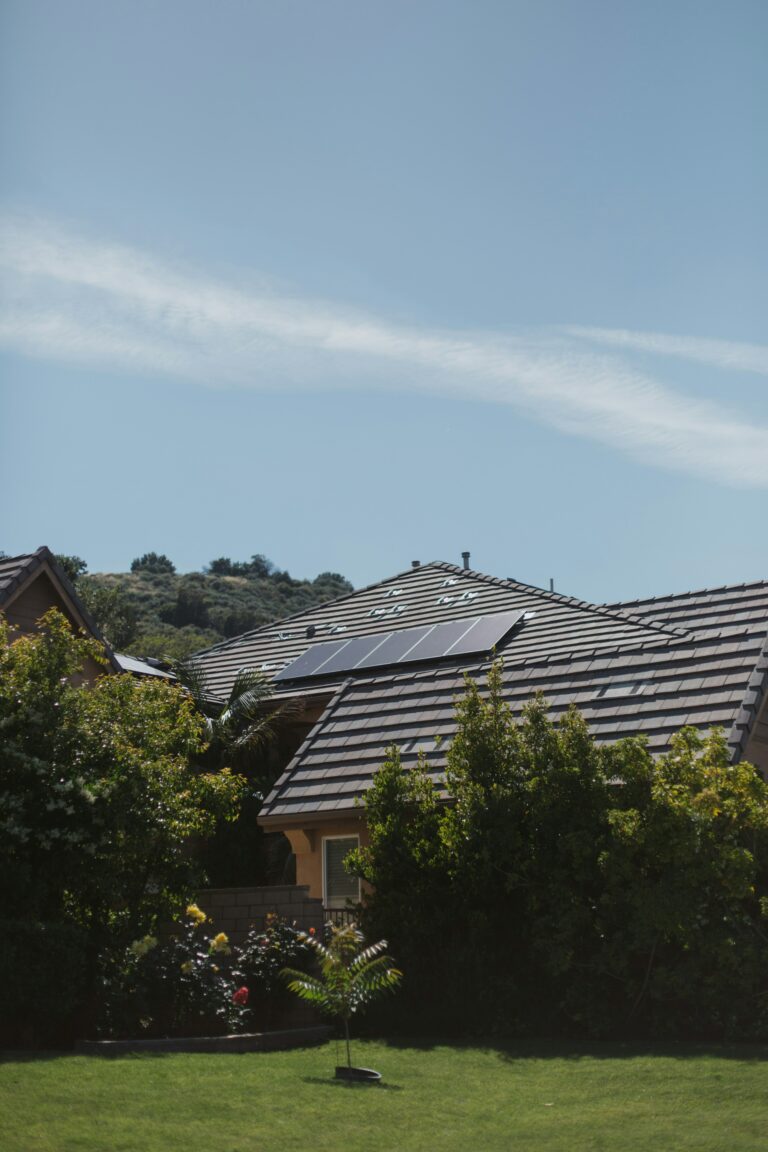
Best Solar Incentives In Nevada 2025
Have you thought about how much you could save by going solar in Nevada in 2025?
Best Solar Incentives In Nevada 2025
This guide gives you a practical, detailed view of the best solar incentives available in Nevada in 2025 and shows you how to capture them. You’ll get clear explanations of federal and local incentives, utility programs, financing options, and the steps you should follow to maximize savings. You’ll also learn how Nevada Solar Group can help you through every step of the process.
Why incentives matter for your solar project
Incentives reduce your upfront cost, shorten payback periods, and improve the long-term return on investment for solar plus battery systems. When you understand which credits, rebates, and utility programs apply to your property, you’ll make smarter decisions about system size, battery pairing, and financing.
How incentives are structured in 2025
Incentives typically come from four sources: federal tax credits, state-level programs (if any), utility programs (like net metering or buyback rates), and local or manufacturer rebates. You’ll often combine several of these to get the best deal. Some perks, like property tax exemptions or permitting streamlining, reduce ongoing costs or administrative burdens rather than direct cash back.
Federal Solar Investment Tax Credit (ITC) — the big lever
The federal Investment Tax Credit (ITC) is the primary national incentive that directly reduces your tax liability when you buy a solar system.
- What it is: A percentage tax credit that you claim on your federal income taxes for a qualified solar (and often battery) installation.
- 2025 status: You can typically claim a 30% credit on the qualified cost of residential and commercial solar installations under current federal policy. Additional bonus credits may be available for projects meeting certain domestic content, energy community, or low-income criteria.
- How it helps you: You reduce your federal tax bill by 30% of the system cost (panels, inverter, racking, labor in many cases), lowering your net cash outlay.
- Important details: You need sufficient federal tax liability to take the credit; unused credit may sometimes be carried forward depending on rules for the tax year. Keep detailed invoices and certification from your installer.
Batteries and the federal credit
Battery backup systems can qualify for the ITC when they meet certain criteria:
- When paired with a solar PV system, battery systems commonly qualify for the same federal credit.
- Standalone batteries may also qualify under more recent rules, if they meet energy storage definitions and eligibility requirements.
- Tesla Powerwall systems that are installed and certified with your solar system typically qualify; Nevada Solar Group is a licensed installer for Powerwall units and will document compliance to support your tax credit claim.
State-level incentives and tax treatments in Nevada
Nevada does not offer a large state income tax credit for residential solar, but several state policies and tax rules help your solar investment:
- No personal state income tax: While Nevada lacks an income tax to credit against, you won’t be able to use a state-level income tax credit. The absence of state income tax is neutral rather than negative, but remember your primary incentive opportunity remains the federal ITC.
- Property tax considerations: Nevada generally provides favorable rules regarding property tax treatment of solar systems. In many cases, increases in assessed value associated with renewable energy systems may be exempt or treated differently; local assessment rules vary by county. Check county assessor guidance to confirm whether added system value will affect your property taxes.
- Sales and use tax: There isn’t a broad, statewide sales tax exemption solely for residential solar equipment. Sales tax rules vary locally; your installer can help determine whether any local sales tax relief applies to your purchase.
Tip: Always confirm state and local tax treatment with a tax advisor and consult the county assessor for property tax specifics before you finalize purchase agreements.
Utility incentives and net metering in Nevada (what to expect)
Your utility’s policies are among the most important drivers of long-term solar value because they determine how you’re compensated for the energy your system generates.
- Net metering vs. net billing: Utilities may use one of these models to credit solar generation exported to the grid. Net metering typically credits exported electricity at retail rates; net billing credits at a value set by the utility that may vary by time of day and value of energy.
- NV Energy: As Nevada’s primary utility, NV Energy sets terms for how rooftop solar customers are credited. Program structures and compensation rates can change, and new tariffs may include time-of-use (TOU) rates, export credits, and grid charge adjustments.
- What to do: Before you sign a contract, request a utility interconnection and compensation quote. Nevada Solar Group will pull your usage history, model your export profile, and estimate your utility bill savings under current NV Energy tariffs.
- Value stacking: In markets with time-of-use or seasonal pricing, pairing solar with battery storage improves value because you can time exports and self-consumption to when utility rates are highest.
Action item: Confirm the current NV Energy compensation structure for new solar customers and any grandfathering rules for existing systems. Rules may change, so lock in offers when available.
Local and municipal incentives in Nevada
Cities and counties sometimes provide incentives that reduce costs or make permitting easier.
- Permit fee reductions or expedited permitting: Some municipalities offer reduced or waived permitting fees, expedited plan reviews, or online permit pathways for solar installations. These measures can lower up-front soft costs and speed activation.
- Building code incentives: Where you’re replacing a roof or adding structural adaptations, some local building departments offer inspection coordination for combined roof and solar projects to reduce duplicate inspections.
- Low-income programs: Local agencies, community development organizations, and utility-administered low-income solar programs may provide additional rebates or subsidized installations for eligible households.
How to find local incentives: Contact your city or county building department and your utility representative. Nevada Solar Group will handle permitting and can advise whether local fee waivers or expedited routes apply to your address.
Manufacturer and retailer rebates — add-on savings
Manufacturers and retailers occasionally offer rebates, special financing, or promotional incentives:
- Panel and inverter rebates: Large manufacturers sometimes provide rebates or limited-time credits for specific product lines. SunPower, Panasonic, LG, and S-Energy have had promotions periodically that reduce equipment cost.
- Battery and EV charger deals: Manufacturers and distributors of Tesla Powerwall or other battery systems sometimes offer promotional pricing, especially when bundled with solar panels and EV chargers.
- How to capture them: Work with an installer who partners with manufacturers and can pass manufacturer incentives through to you. Nevada Solar Group’s relationships with top brands can help secure bundled pricing and promotional offers.
Financing incentives and programs
How you pay for a system can unlock additional savings and make solar more affordable.
- Cash purchase: Offers the highest long-term savings because you avoid interest costs and still qualify for tax credits.
- Solar loans: Many homeowners choose loans that allow you to finance the system while benefiting from the ITC. Loan structures include secured, unsecured, and specialized solar loans with varying terms.
- PACE (Property Assessed Clean Energy): In some jurisdictions, PACE programs let you finance a system through a property tax assessment. Availability in Nevada varies by city/county.
- Leasing and power purchase agreements (PPAs): You may see few PPA offers for residential customers in Nevada; PPAs are more common for commercial or community solar.
Tip: Financing choices affect your ability to use the federal tax credit; if you don’t have a tax liability to claim the ITC, consider transferring benefits through a loan with appropriate structuring.
Incentive eligibility checklist — what you’ll need
Before you apply or claim any incentive, make sure you have these items ready:
- Proof of purchase: Detailed invoices listing equipment, labor, permits, and installation dates.
- Interconnection paperwork: Signed utility interconnection agreements.
- Manufacturer specifications: Equipment model numbers, serial numbers, and manufacturer statements for eligibility.
- Installer certification: A W-9 or contractor documentation and evidence the system was professionally installed.
- Tax documents: For the ITC, you’ll need IRS form 5695 (Residential Energy Credits) or the applicable form for commercial systems.
Nevada Solar Group will compile these documents to make claiming incentives smoother for you.
How to claim the federal ITC (step-by-step)
You’ll typically follow these steps:
- Complete your system installation and obtain final commissioning documents from your installer.
- Receive and retain the invoice detailing qualified costs.
- Confirm battery eligibility and include battery cost if it qualifies.
- Complete IRS Form 5695 (Residential Energy Credits) if you’re an individual homeowner.
- Apply the credit to your federal tax liability for the year the system was placed into service.
- If your credit exceeds your tax liability, check carryforward rules for that tax year.
Work with a tax professional if you’re unsure how the ITC interacts with your specific tax situations. Nevada Solar Group can provide the installation paperwork you need.
Example savings scenario — a practical look
This table gives you a sample scenario to illustrate how incentives can affect your net cost. Use it as a template and update the numbers to match your quotes.
| Item | Example value |
|---|---|
| System size | 7 kW |
| Gross installed cost ($/W) | $2.50 |
| Gross system cost | $17,500 |
| Federal ITC (30%) | -$5,250 |
| Net cost after ITC | $12,250 |
| Estimated annual electricity savings | $1,200 |
| Simple payback (years) | ~10.2 years |
| Typical warranty | 25-year panel performance, 10–25 year equipment warranty |
Notes:
- Costs and savings vary based on system size, orientation, local electricity rates, and battery pairing.
- If you add a battery (e.g., Tesla Powerwall), include battery cost, and verify ITC eligibility for that component.
Nevada Solar Group can run a customized estimate for your home or business using your actual historical usage and roof characteristics.
Pairing solar with battery storage — added incentives and value
Pairing solar with a battery unlocks additional benefits and sometimes additional incentives:
- Backup power: You gain resilience during outages, which is valuable in areas prone to grid interruptions.
- Time-of-use optimization: You can store excess solar during low-rate periods and discharge during peak rates to maximize savings.
- Demand charge reduction (for businesses): Batteries can reduce peak demand charges, improving commercial savings.
- Federal credit possibilities: As mentioned earlier, batteries installed with your solar system often qualify for the ITC; confirm specifics for standalone storage.
- Utility rebates: Some utilities offer pilot rebates for residential energy storage; check for any NV Energy programs in 2025.
Nevada Solar Group’s experience with Tesla Powerwall 1 and 2 means they can size and integrate battery systems to optimize incentives and system value for you.
Commercial incentives and benefits in Nevada
If you operate a business, the incentive landscape shifts slightly:
- ITC for commercial systems: Businesses typically qualify for the same federal percentage credit (30%) applied against corporate tax liability.
- Bonus depreciation: Commercial solar projects may also be eligible for accelerated depreciation (MACRS) and bonus depreciation, improving cash flow.
- Demand charge management: Batteries and smart controls reduce demand charges that comprise a large portion of commercial bills.
- Incentives for EV charging integration: Combining solar with EV charging can increase property value and may make you eligible for commercial rebates or incentives that promote transportation electrification.
Nevada Solar Group provides commercial system design and engineering, ensuring your project is sized for incentives and operational savings.
Choosing the right equipment — manufacturer warranties and incentives
Equipment choice affects performance, warranty coverage, and eligibility for certain incentives.
- Top brands: SunPower, Panasonic, LG, and S-Energy are well-regarded for efficiency and long-term performance. Nevada Solar Group partners with these manufacturers to offer you options with strong warranties.
- Warranties: Look at both product and performance warranties — manufacturer performance guarantees often extend to 25 years for top-tier panels; inverters and batteries have different durations.
- Manufacturer incentives: Sometimes manufacturers or distributors offer promotional credits that reduce upfront equipment costs.
Nevada Solar Group will present options with side-by-side comparisons so you can weigh efficiency, warranties, and incentive compatibility.
Interconnection and permitting — avoid delays
Navigating permits and utility interconnection is essential to capture incentives promptly:
- Permitting: Your local building department will require a permit for solar and possibly for roof replacement. Timely and correct permits prevent rework and delays.
- Utility interconnection: Submit your application to NV Energy or your utility and obtain approval before final commissioning. Utility application fees and timelines vary.
- Inspection: Final inspection is usually required before your system can be connected and before incentives can be claimed.
Nevada Solar Group manages permitting and interconnection paperwork to reduce your administrative burden.
How Nevada Solar Group simplifies claiming incentives for you
Nevada Solar Group’s local expertise and partnerships make claiming incentives easier:
- Documentation bundle: They provide a complete package of invoices, commissioning reports, and manufacturer documentation you’ll need for tax filings.
- Product partnerships: Their relationships with top brands can unlock manufacturer promotions and warranty registrations.
- Licensed battery installation: As a licensed Tesla Powerwall installer, they ensure battery systems are installed and documented to qualify for incentives.
- Permit and interconnection handling: They coordinate with local authorities and NV Energy so your project proceeds smoothly.
When you work with a local installer experienced in Nevada rules, you reduce risk and can claim available benefits more quickly.
Common pitfalls and how to avoid them
Avoid these mistakes to ensure you don’t lose incentive value:
- Skipping documentation: Without invoices and manufacturer statements, you can’t claim tax credits.
- Incorrect installation timing: Incentives are claimed for the tax year the system is placed in service; installation date matters.
- Underestimating utility changes: Utility compensation tables can change. Verify the tariff you’ll be subject to and whether you’re eligible for grandfathering.
- Overlooking local rules: County-specific property tax treatments and permitting differences can affect costs and timing.
Nevada Solar Group helps you avoid these by handling paperwork and advising on timing.
How installing solar affects your home value and insurance
Solar systems usually increase a property’s market value and may affect insurance:
- Increased value: Studies generally show that solar increases resale value. Appraisers and buyers often view solar as a long-term utility cost reduction.
- Insurance: Notify your homeowner’s insurance provider about the addition. Coverage requirements vary; you may need to add the system to your policy.
- Warranties: Confirm warranty transferability if you plan to sell your home.
Nevada Solar Group will provide documentation to support property appraisals and transfer warranty paperwork when you sell.
Environmental and community incentives — beyond direct savings
You’ll also benefit from broader environmental and community incentives:
- Carbon reduction: Solar reduces your household’s carbon footprint and supports Nevada’s clean energy goals.
- Local jobs and economy: Installing solar supports local labor and creates maintenance and service jobs.
- Grid resilience: Distributed solar plus storage can contribute to community resilience, which sometimes prompts municipal or utility support programs.
These are indirect yet meaningful incentives that improve community outcomes.
Step-by-step roadmap for your Nevada solar project in 2025
Follow this practical roadmap to capture incentives and optimize value:
- Gather 12 months of electricity bills to understand your usage.
- Contact a licensed local installer (e.g., Nevada Solar Group) for a site assessment and proposal.
- Compare system sizes, equipment options, warranties, and financing offers.
- Confirm utility compensation, interconnection requirements, and any grandfathering rules.
- Lock in a contract and secure any manufacturer or utility rebates.
- Complete permitting and interconnection applications.
- Install the system and battery (if applicable), get final inspections and utility permission to operate.
- Collect all invoices and documentation for tax filing.
- File federal credits (e.g., Form 5695) and any applicable commercial forms.
- Start monitoring system performance via home energy apps and schedule annual maintenance.
Nevada Solar Group will guide you through each step and coordinate paperwork to make incentive capture straightforward.
Frequently asked questions (FAQ)
Q: How long will federal tax credits be available?
A: The federal ITC has been extended under recent legislation through the decade with a 30% baseline for eligible years, but program details and bonus credits evolve. Confirm current IRS guidance for 2025.
Q: Do batteries always qualify for tax credits?
A: Batteries paired with solar commonly qualify for the federal credit; standalone battery eligibility has changed over recent years and may depend on capacity and how the battery is charged. Verify with your installer and tax advisor.
Q: Will my electric bill go to zero?
A: Many homeowners significantly reduce their bills, but achieving an absolute zero depends on system size, usage, export compensation, and seasonal production. Pairing with storage improves self-consumption.
Q: Can I still claim incentives if I lease the system?
A: Leasing and PPA customers typically do not claim the federal ITC directly; the system owner (lessor) claims it. Evaluate the trade-offs carefully.
Q: Are there incentives for EV charging installations?
A: Some incentives exist for EV chargers at residential and commercial properties. Bundling EV charging with solar and storage can improve your property’s value and economics.
Choosing an installer — what you should ask
When comparing installers, ask these crucial questions:
- Are you licensed and insured to operate in Nevada?
- Do you have experience with Tesla Powerwall installations?
- Which panel and inverter brands do you offer, and what warranties apply?
- Will you handle permitting and utility interconnection?
- Can you provide references and completed project examples in Las Vegas and surrounding areas?
- Do you help with rebate and tax credit paperwork?
Nevada Solar Group checks these boxes: licensed installers, manufacturer partnerships, and full-service support from design through activation.
Maintenance, monitoring, and warranties — protect your investment
To maximize lifetime savings and performance:
- Monitoring: Use home energy monitoring apps to track generation, consumption, and battery status. Nevada Solar Group includes home energy monitoring options.
- Maintenance: Keep panels clean and trees trimmed; schedule periodic inspections for racking, inverters, and battery health.
- Warranties: Understand performance warranties (usually 25 years for panels) and equipment or workmanship warranties (vary by manufacturer and installer).
A well-maintained system delivers predictable savings and keeps incentives straightforward when you sell or transfer warranties.
Final checklist before you sign
Make sure you’ve confirmed the following:
- Precise system cost and all line items are documented.
- Estimated annual production and expected bill savings are modeled.
- Federal and any local incentive eligibility and paperwork are clear.
- Utility interconnection timeline and expected compensation method are confirmed.
- Installer credentials, insurance, and warranty terms are verified.
Nevada Solar Group will walk you through this checklist and ensure you understand how incentives translate into real financial benefits.
Closing thoughts — making the most of 2025 incentives
You’re positioned to benefit from powerful incentives in 2025—especially the federal tax credit—if you plan carefully, choose a qualified local installer, and coordinate equipment choices with utility compensation structures. Pairing solar with battery storage and EV charging unlocks additional savings and resilience that matter in Nevada’s sunny climate.
If you’re weighing next steps, ask for a customized feasibility and incentive report based on your address and usage pattern. That’ll show the exact financials, expected payback, and documentation you’ll need to claim all applicable incentives.
If you’d like, Nevada Solar Group can prepare a no-obligation proposal that lays out the incentives available to you, the optimal system design, and a clear path to activation. Nevada Solar Group 5145 S Arville St, Las Vegas, NV 89118 Phone: 702-899-5577 Email: info@nevadasolargroup.com Website: https://nevadasolargroup.com
Business Hours: Monday – Friday: 8:00 AM – 5:00 PM Closed Saturday and Sunday