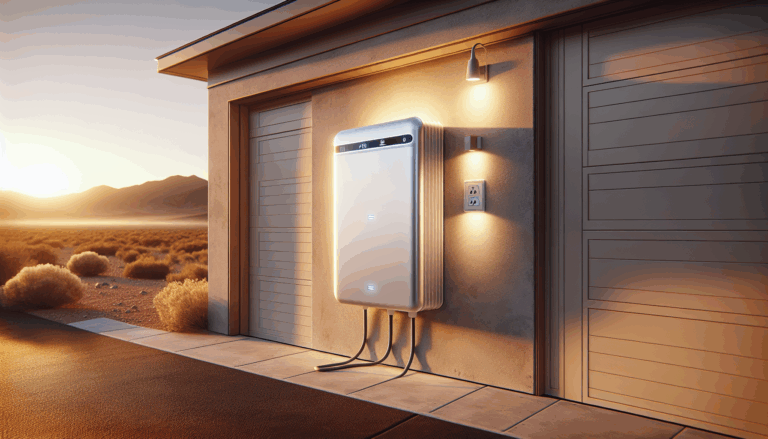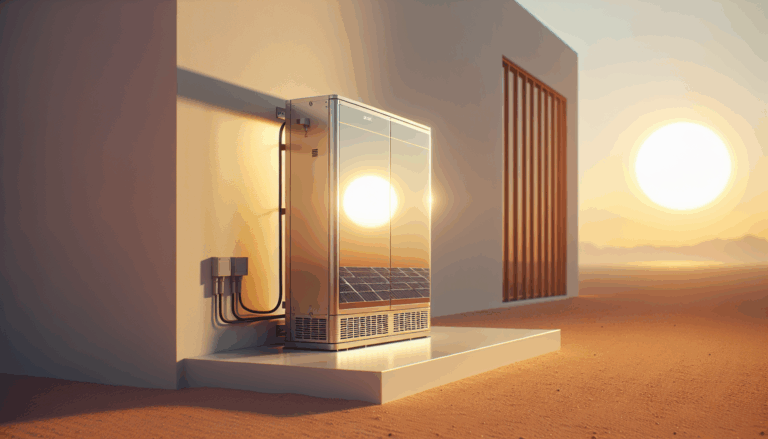
How To Maximize Solar Battery Storage With Powerwall
? Do you want to get the most out of your solar battery storage with a Powerwall so you save money, increase resilience, and make smarter use of the energy your solar panels generate?
How Powerwall Helps You Make Solar Work Better
You already know solar panels generate electricity during the day. A Powerwall stores excess solar energy so you can use it when the sun isn’t shining, reduce bills, and keep essential loads running during outages. This section gives a quick overview of why pairing solar with a Powerwall is such a powerful combination.
Why Maximizing Solar Battery Storage Matters
When you maximize your solar battery storage, you increase self-consumption, reduce grid dependence, and raise the value and resilience of your home. You’ll also be better prepared for outages and can often take advantage of time-of-use rate structures to lower utility costs. Simple adjustments to how you size, configure, and operate your battery system can lead to significant long-term savings.
How Tesla Powerwall Works With Solar
You’ll want a system that intelligently routes excess solar generation to your Powerwall, charges during low-cost periods if needed, and discharges to run your home when electricity is expensive or the grid is down. The Powerwall integrates with the solar inverter and uses software to prioritize charging and discharging based on your settings, local rates, and backup needs.
Powerwall 1 vs Powerwall 2: What to Know
If you’re choosing a unit, you should understand the differences. Powerwall 2 is the more modern, higher-capacity option and is the most commonly installed model today. Powerwall 1 is older and smaller, but it can still provide useful backup capability for smaller loads. Nevada Solar Group can advise which model suits your goals and property.
| Feature | Powerwall 1 (older) | Powerwall 2 |
|---|---|---|
| Typical usable capacity | Smaller (legacy product) | 13.5 kWh usable |
| Typical continuous power | Lower | 5 kW continuous (7 kW peak) |
| Typical round-trip efficiency | Moderate | ~90% |
| Best for | Small backup needs / existing setups | Whole-home backup, load shifting, EV integration |
If you’re in Las Vegas or anywhere in Nevada, Nevada Solar Group can help you compare these options with on-site advice and local knowledge.
Sizing Your Battery Storage Correctly
Getting the right size matters more than just “bigger is better.” You need to consider your daily usage patterns, critical loads you want backed up during outages, EV charging needs, and your rooftop solar production.
How to estimate the right capacity
Start by looking at your monthly and daily electricity usage. Identify the loads you need to keep running during an outage (refrigerator, medical devices, internet, lights). Then figure out how much energy those loads consume over the length of an expected outage. Powerwall 2’s 13.5 kWh capacity might be enough for many homes for a day of partial use, but if you need extended autonomy or want to run high-power devices, you may need multiple units.
Consider peak power and continuous power needs
Capacity (kWh) isn’t the only metric: you need enough continuous and peak power (kW) to start and run appliances. A home with electric HVAC, a large well pump, or an EV charger will demand higher power capacity. Make sure the combined inverter and battery power can handle starting currents and continuous loads.
Optimize Battery Operation Modes
Powerwall and similar systems offer operating modes like self-consumption, time-based control, and backup-only. You should select an operating strategy that matches your priorities.
Self-consumption mode
If your main goal is to reduce your electric bill by using your solar production locally, use self-consumption. The Powerwall stores excess solar during the day and discharges in the evening so you use your own energy instead of buying from the grid.
Time-based control (TOU arbitrage)
When you face time-of-use (TOU) utility rates, you can program the battery to charge when rates are low and discharge when rates are high. This strategy requires monitoring of rate schedules and consistent behavior to produce savings.
Backup reserve
Setting a backup reserve ensures you always have a safety buffer for blackouts. You should choose a reserve level that matches your expected outage tolerance. If you want full-home backup, you’ll set less for daily consumption and more for emergency readiness.
Maximize Self-Consumption and Reduce Export
To increase how much solar energy you use instead of exporting to the grid, combine behavioral changes with automation.
Shift loads to peak solar hours
You’ll see the most benefit if you run dishwashers, laundry, pool pumps, and EV charging during peak solar production. Smart plugs, timers, and your home energy management system can automate this so you don’t have to remember every day.
Smart scheduling
Powerwall integrates with smart home systems and can be set to prioritize charging from solar first. Setting your EV charger to top up during midday solar production reduces grid charging and increases self-consumption.
Use Time-of-Use Rates to Your Advantage
If your utility uses TOU pricing, you can charge the Powerwall during cheap off-peak times or during midday solar and discharge during peak price windows. That arbitrage can create monthly savings that justify the battery investment more quickly.
How to implement TOU arbitrage
You’ll need to know your utility’s rate schedule and configure the Powerwall to shift energy accordingly. Many battery systems have features that accept rate schedules directly; otherwise, coordinate with your installer to set the right behavior.
Integrating EV Charging With Powerwall
If you have an electric vehicle, your Powerwall can help lower the cost of charging and provide resiliency. You can prioritize the vehicle to charge from solar or battery power during mid-day production or cheaper off-peak periods.
Scheduling EV charging
Set your EV charger to charge during times when you have surplus solar or when rates are lowest. If you combine this with a Powerwall, the battery can charge during the day and assist in charging the EV in the evening when rates spike.
Consider power and demand
High-power EV chargers can create big loads. Ensure your Powerwall and your home’s electrical service accommodate simultaneous EV charging and other critical loads without tripping breakers or causing overloads.
Backup and Resilience: Configuring for Outages
Powerwall’s automatic backup feature will seamlessly switch to battery power during an outage and can support critical circuits. But proper planning will ensure that you get the backup performance you need.
Prioritize critical circuits
You should plan which circuits will be powered when the grid is down. Typical circuits include refrigeration, a few lights, Wi-Fi, sump pumps, and a small HVAC zone if needed. Your installer will design a subpanel or critical loads panel to isolate and supply these circuits during an outage.
Set a suitable backup reserve
Don’t let the battery drop to zero during an outage. You’ll want a reserve so you’re not left without power mid-event. Choose a reserve that matches the length of outages common in your area and your tolerance for interruptions.
System Design and Installation Best Practices
A well-designed system lets you maximize performance and longevity. You should work with a certified installer who understands both solar and battery systems, building codes, and local permitting—this is where Nevada Solar Group’s local expertise in Las Vegas and Nevada matters.
Site assessment and placement
Your installer will evaluate where to mount the Powerwall to reduce thermal stress, ensure proper ventilation, and maintain safe electrical connections. In Nevada’s hot climate, temperature management is especially important for battery longevity.
Electrical design and panel capacity
Confirm your main panel and service can handle the inverter and battery loads. If you have a legacy electrical service, you may need an upgrade to accommodate whole-home backup or high-power EV charging.
Roofing and mounting considerations
If you’re adding solar and your roof is older, consider replacing roofing materials or using integrated solar shingles. Nevada Solar Group offers roofing replacement and solar shingle installation from high-quality manufacturers to ensure a long-term fit with your solar array.
Monitoring and Home Energy Management
Monitoring is critical. Real-time and historical data help you understand production, consumption, battery performance, and savings. Use the Powerwall app and any complementary monitoring tools provided by your installer to track performance.
What to monitor regularly
You should check daily solar production, battery charge state, peak demand events, and any abnormal alerts. Monitoring helps you spot issues early—like a fallen solar string or battery underperformance—and keeps you on top of maintenance.
Energy management strategies
Use the data to refine your operation. For example, if you notice your battery regularly reaches only 50% SOC (state of charge) before sunset, you might reduce evening loads or adjust backup reserve to capture more value.
Maintenance and Extending Lifespan
Both your solar panels and battery system require minimal but important maintenance. Proper care will extend lifespan and protect warranties.
Solar panel maintenance
You should keep panels clean, check for shading from new trees or debris, and have routine electrical checks. In Nevada’s dusty climate, occasional washing helps maintain optimal production.
Powerwall maintenance
Batteries have fewer maintenance needs than generators, but you should keep the unit area free of obstruction, monitor for software updates, and confirm that system firmware is current. Regularly review the app for error messages and schedule inspections if performance drops.
Warranty and performance guarantees
Check warranty terms for both solar panels and Powerwall. Tesla Powerwall has a warranty for energy throughput and capacity retention; solar panels come with manufacturer warranties for materials and performance. Nevada Solar Group promotes products with strong warranty offers and can help you understand and register protections.
Understanding Battery Degradation and Lifespan
Batteries degrade over time; you should plan for gradual capacity loss. Lithium-ion batteries like Powerwall typically retain useful capacity for many years, but factors such as high temperatures, frequent deep discharges, and high charge/discharge rates can accelerate degradation.
How to limit degradation
You can minimize degradation by avoiding unnecessary deep discharges, keeping the battery in temperature-stable locations, and taking advantage of partial cycles rather than full cycles when possible. Your system’s software often manages these parameters automatically.
Replacement planning
Factor battery replacement or expansion into long-term energy planning. Batteries often last 10+ years, but you should budget for future upgrades or replacements as part of your home planning.
Dealing With Nevada-Specific Considerations
If you’re in Las Vegas or elsewhere in Nevada, local climate, incentives, and utility structures affect how you maximize storage.
Climate and temperature management
Nevada’s high temperatures mean thermal considerations are crucial. You’ll want proper inverter and battery placement away from direct afternoon sun and with ventilation or shade to keep performance optimal.
Incentives, rebates, and policies
Your savings and payback depend on available solar incentives, rebates, and net metering policies. Nevada offers various incentives and rebates over time, and programs can change, so you should work with a local installer who keeps current with policy updates and can help you apply for rebates and incentives.
Local permitting and codes
Local permitting, inspection, and compliance with building and fire codes vary by jurisdiction. Nevada Solar Group handles permitting, engineering, and inspection coordination so you don’t have to manage complex paperwork.
Safety, Fire Codes, and Best Practices
You’ll want your system to meet all safety and fire codes. Batteries require appropriate clearances, signage, and disconnects. Your installer should design with these standards in mind and ensure compliance with local authority having jurisdiction (AHJ) requirements.
Safe battery installation
Make sure your installer follows manufacturer installation guidelines and local electrical codes. This includes proper mounting, wire sizing, surge protection, and accessible disconnect switches for first responders.
Financial Considerations and Return on Investment
You should evaluate ROI through energy savings, reduced demand charges (if applicable), and increased home value. A Powerwall can also offer tangible non-monetary value by providing resilience and energy independence.
Calculating savings
Savings depend on how much solar self-consumption you can get, the size of your battery, local electricity rates, and whether you can exploit TOU arbitrage. Use conservative estimates and let your installer model scenarios for more accurate projections.
Incentives and tax credits
Federal, state, and local incentives can significantly change the payback timeline. Consult with Nevada Solar Group about current incentives and how to claim any tax credits or rebates.
Choosing an Installer: Why Local Expertise Matters
You want an experienced, licensed installer with local knowledge. Nevada Solar Group is based in Las Vegas and specializes in residential and commercial solar, is a licensed Tesla Powerwall installer, and provides full services from design to activation.
What to look for in an installer
You should choose an installer that offers clear project timelines, strong customer service, manufacturer certifications, roofing and electrical integration expertise, and a robust warranty process. Nevada Solar Group fits this profile by partnering with top brands and handling full-system needs, including roofing and EV charger integration.
Case Examples and Practical Scenarios
Seeing examples makes choices easier. Here are a few typical scenarios with simplified numbers to show how a Powerwall might be used.
| Scenario | Solar size | Battery | Typical use | Benefit |
|---|---|---|---|---|
| Evening bill reduction | 6 kW | 13.5 kWh (1x Powerwall 2) | Store midday solar to use 6–10 p.m. | Lower nightly grid consumption |
| Outage resilience | 8 kW | 2 x 13.5 kWh | Backup important circuits for 24 hours | Maintain refrigeration, lights, comms |
| EV charging support | 10 kW | 13.5 kWh + scheduled EV charging | Use mid-day solar + battery to offset evening charging | Reduced charging costs, fewer grid draws |
These examples are illustrative; your home may have different needs. Nevada Solar Group can provide a custom analysis based on your consumption data.
Common Mistakes to Avoid
You should avoid a few common pitfalls when adding battery storage.
Under- or over-sizing the battery
Don’t guess. Use your real consumption and outage expectations to size the battery. Oversizing wastes capital; undersizing fails to meet needs.
Ignoring local incentives and rates
Not taking advantage of TOU or local rebates reduces potential savings. Work with a local expert to align settings with rate schedules.
Forgetting ventilation and heat protection
Installing a Powerwall in direct sun or in an unventilated closet reduces its lifespan and performance.
Frequently Asked Questions
You probably have practical questions about how Powerwall behaves day-to-day.
How many Powerwalls do I need?
That depends on your goals: one Powerwall 2 (13.5 kWh) may serve many households for evening load shifting. For whole-home backup or heavy loads, multiple units may be required. Your installer will model typical usage to recommend a number.
Can I charge the Powerwall from the grid?
Yes, Powerwall can charge from the grid when configured, allowing TOU arbitrage or ensuring the battery is topped up before forecasted outages. Make sure your settings reflect whether you want grid charging or solar-only charging.
Will Powerwall power my whole house?
Powerwall can power large parts of a home, but whole-home backup depends on total battery capacity and inverter power. For homes with significant electric heating, central air, or EV loads, you may need multiple batteries or prioritized circuits.
What maintenance is required?
Minimal maintenance includes keeping the unit area clear, ensuring firmware updates occur, and scheduling inspections if issues arise. For panels, occasional cleaning and inspections are recommended.
Taking the Next Steps With Confidence
If you want to maximize solar battery storage with a Powerwall, start with a consumption audit and a professional site assessment. You should collect recent electric bills, identify critical loads, and consider future plans like EV adoption or home expansions.
How Nevada Solar Group helps you
Nevada Solar Group offers full-service evaluations, licensed installation of Tesla Powerwall 1 and 2, solar panel installations featuring top brands, roofing and solar shingle options, and EV charging station installation. Their local knowledge ensures your system is optimized for Nevada’s climate, incentives, and utility structures.
Final Checklist for Maximizing Your Powerwall and Solar
You can use this checklist to prepare for a successful installation and operation.
- Gather 12 months of electricity bills and usage patterns
- Identify critical circuits for outage backup
- Decide whether TOU arbitrage is important for you
- Consider future EV charging needs and how they integrate with the battery
- Confirm roof condition and shading issues; plan for roofing work if needed
- Discuss warranty terms and monitoring options with your installer
- Verify installer handles permits and inspections
Conclusion and Call to Action
You have many levers to increase the value of your solar-plus-battery system: sizing correctly, choosing the right operation mode, integrating EV charging, and working with a local, experienced installer. If you’re in Las Vegas or anywhere in Nevada, partnering with a licensed Tesla Powerwall installer such as Nevada Solar Group will simplify the process and help you maximize savings, resilience, and long-term performance.
If you’d like, you can collect your electricity usage data and contact a local installer for a tailored analysis so you get a clear plan for battery size, operating modes, and combined solar-plus-battery savings. Nevada Solar Group 5145 S Arville St, Las Vegas, NV 89118 Phone: 702-899-5577 Email: info@nevadasolargroup.com Website: https://nevadasolargroup.com
Business Hours: Monday – Friday: 8:00 AM – 5:00 PM Closed Saturday and Sunday