How Tesla Powerwall 3 Enhances Home Energy
Have you thought about how a modern home battery like the Tesla Powerwall 3 could change the way you manage energy in your home?
What the Tesla Powerwall 3 Is and Why It Matters
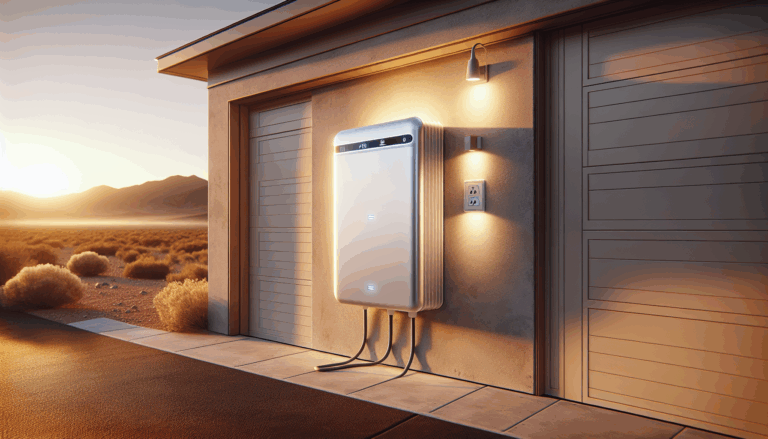
You want a reliable battery system that stores solar energy, protects your home during outages, and optimizes electricity costs. The Tesla Powerwall 3 is the latest generation of Tesla’s home battery lineup designed to pair with rooftop solar or work independently to provide backup power and energy management for modern homes. It aims to increase reliability, integration, and ease of use for homeowners who want to control energy use and lower utility bills.
Key Improvements Over Earlier Models
You’ll notice that the Powerwall 3 focuses on higher integration and smarter energy use compared to earlier models. Rather than only delivering raw storage capacity, it emphasizes faster appliance support, simplified installation, improved safety systems, and deeper software features for optimizing when and how energy is used.
Better system integration with solar and EV charging
You can expect smoother coordination between your solar array, home battery, and EV charger. The Powerwall 3 is designed to work as a central energy hub so that excess solar can charge your battery, your battery can supply peak power, and your EV can charge efficiently using stored or solar energy.
Enhanced resilience and backup switching
If an outage occurs, your home can move to backup power more quickly and more smoothly. The Powerwall 3 aims for reduced switchover times and more consistent power to critical loads, which means your lights, refrigerator, medical devices, and EV charger are less likely to experience interruptions.
How the Powerwall 3 Enhances Energy Security
You want to keep essential systems running during outages and protect sensitive electronics from grid instability. The Powerwall 3 increases your home’s resilience by providing a steady source of stored electricity and managing distribution to prioritized loads.
Seamless backup for your prioritized loads
You’ll have the ability to select critical circuits for automatic backup. Instead of powering every circuit at once, the system allows you to prioritize devices and appliances so the most important loads remain active longer during an outage.
Frequency and voltage stability
You should notice fewer fluctuations in voltage and frequency for the loads powered by the battery compared to relying on a generator or an unstable grid. This is especially important if you have sensitive electronics, medical devices, or smart home systems.
Energy Cost Savings and Time-of-Use Optimization
You want to reduce your electric bills and leverage solar production. The Powerwall 3 allows you to store energy when rates are low (or when your solar is producing) and use it when electricity prices spike, maximizing savings under time-of-use and demand-based rate plans.
Arbitrage and peak shaving
You can store inexpensive electricity during off-peak hours or store excess solar during the day, then discharge during high-rate periods. That strategy reduces demand charges and overall consumption from the grid at expensive times.
Automated smart scheduling
You’ll benefit from smart scheduling features that automatically assess tariffs, solar production, and anticipated usage patterns to make charging/discharging decisions, reducing the need for manual management.
Improved Performance and Efficiency
You want efficient storage that wastes as little energy as possible. The Powerwall 3 focuses on better round-trip efficiency, smarter thermal management, and reduced electrical losses so more of your solar energy is available when you need it.
Optimized round-trip efficiency
You’ll see a higher percentage of energy returned to your home after storage compared to some older systems, meaning less energy loss in charging and discharging. This matters for both cost savings and maximizing the value of your solar production.
Thermal and battery management
You should expect improved temperature control and management features that protect the battery pack from extremes. Better thermal design extends battery life, preserves usable capacity, and ensures performance in hot climates like Las Vegas.
Integration with Home Energy Monitoring and Smart Apps
You want visibility into your home’s energy flow so you can make informed decisions. The Powerwall 3 connects to robust software platforms that let you monitor generation, usage, storage state, and savings from your phone or browser.
Real-time monitoring and analytics
You’ll get real-time dashboards that display how much solar is being generated, how much energy is being stored, and which loads are consuming electricity. These insights help you spot opportunities to shift usage and save money.
Automated alerts and remote diagnostics
You’ll receive alerts for outages, performance issues, or maintenance needs. Remote diagnostics can reduce downtime and let your installer troubleshoot many issues without on-site visits.
Scalability and Modular Design
You may want to scale storage as your needs change. The Powerwall 3 supports stacking multiple units so you can expand capacity over time without replacing equipment.
Adding capacity as needs evolve
You can start with a single unit for basic backup and gradually add more Powerwalls to extend runtime or handle more loads. This modular approach allows you to match your budget to your resilience goals.
Flexible installation configurations
You’ll be able to configure systems for whole-home backup or targeted circuit back-up depending on your priorities and budget.
Compatibility with Solar Panels and Roofing Options
You want a system that works with your solar setup regardless of panel brand or roof type. The Powerwall 3 is compatible with common solar inverters and panels and can also be part of integrated roof solutions that include solar shingles or tiles.
Works with major solar brands and inverters
Whether you have SunPower, Panasonic, LG, S-Energy, or other panels, the Powerwall 3 is designed to interoperate with most residential solar systems. That makes it straightforward to pair with an existing or new solar installation.
Rooftop, solar shingles, and roof replacement coordination
If you’re planning a roof upgrade or solar shingle installation, the Powerwall 3 can be coordinated with roofing contractors and solar installers so the full system—roofing, panels, and battery—works seamlessly together.
EV Charging and Home Electrification Integration
You want to simplify charging your EV using solar energy and stored power. The Powerwall 3 is designed to coordinate with home EV chargers so you can charge more affordably and reliably.
Intelligent EV charging control
You can set charging to prioritize solar or stored energy to minimize grid consumption. During peak-priced hours, the system can draw from stored energy so your EV charging is more cost-effective.
Load balancing and peak demand management
If you charge an EV along with running household loads, the Powerwall 3 can help balance shore power to avoid demand spikes that drive up costs or trigger utility penalties.
Installation and Permitting Simplified
You want a smooth installation experience without delays from permitting, structural work, or electrical upgrades. A licensed installer like Nevada Solar Group helps you navigate local regulations, structural requirements, and the permitting process so your system is compliant and installed safely.
Professional site assessment and system design
You’ll receive a tailored system design based on your home’s energy usage, solar potential, and desired backup capacity. Professionals evaluate wiring, switchgear, and panel locations to ensure safe and efficient installation.
Permitting, inspections, and utility coordination
You won’t have to manage complex paperwork alone. Experienced installers will handle permits, system inspections, and utility interconnection paperwork to streamline activation and incentivization.
Maintenance and Warranties You Can Rely On
You want peace of mind that your investment will be protected. The Powerwall 3 is typically backed by manufacturer warranties and can be supported by installer maintenance programs to ensure long-term performance.
Manufacturer warranty and performance guarantees
You’ll get a warranty that covers the battery for a set period and guarantees a minimum level of retained capacity over time. Talk to your installer about exact warranty terms and any available extended coverage.
Routine maintenance and firmware updates
You’ll benefit from firmware updates that improve system capabilities and diagnostics. Periodic maintenance checks from your installer will help identify potential issues early and keep the system running optimally.
Sizing Your Powerwall 3 System: How to Choose the Right Capacity
You want the right balance between cost and backup/runtime. Sizing depends on daily consumption, desired backup duration, and whether you plan to cover entire-house loads or only critical circuits.
Estimating daily energy needs
You can estimate daily needs by reviewing your utility bills or monitoring app data. Add up average consumption in kilowatt-hours (kWh) per day to understand how much storage will support typical daily loads or emergencies.
Determining backup runtime and critical loads
You should list appliances you must keep powered (refrigerator, heating/AC support, medical devices, communications, lights) and compute their energy draw. This lets you choose enough battery capacity to cover those loads for your desired outage duration.
Table: Example Sizing Scenarios
| Scenario | Daily Usage (kWh) | Priority Loads | Suggested Setup |
|---|---|---|---|
| Basic backup for essentials | 10–15 kWh | Lighting, fridge, Wi-Fi, sump pump | 1–2 Powerwalls (modest capacity) |
| Whole-home vs. moderate use | 25–35 kWh | Full day home usage (no heavy AC) | 2–3 Powerwalls |
| Extended off-grid for several days | 50+ kWh | Whole-home plus EV top-up | 4+ Powerwalls and PV oversizing |
Cost Considerations and Financing Options
You want clear numbers and ways to fund the system. Costs depend on the number of Powerwalls, labor, permits, electrical upgrades, and any required roof or inverter changes. Financing, loans, and leasing options make systems more accessible and are commonly available through reputable installers.
Upfront costs versus long-term savings
You’ll likely pay a premium up-front, but over time the Powerwall 3 combined with solar can lower monthly bills, reduce peak demand charges, and add resiliency value. Calculate payback by comparing installation cost to estimated achieved savings from reduced grid purchases, demand charge avoidance, and incentives.
Financing, loans, and incentives
You can finance systems through loans, leases, or PACE programs that spread payments out. Additionally, federal tax credits, state rebates, and utility incentives can significantly reduce net cost—talk to Nevada Solar Group for localized incentives and current rebate availability.
Nevada-Specific Benefits, Incentives, and Considerations
You live in a state with abundant sun and specific policies that affect solar+battery systems. Nevada offers attractive solar potential and has evolving net metering and rebate programs that can impact the value proposition of a Powerwall 3.
Local solar market and net metering
You’ll benefit from Nevada’s strong solar resources and local policies that can reward on-site generation. Net metering rates and export compensation can vary, so it’s important to work with a licensed installer like Nevada Solar Group to understand current incentives and utility rules.
State and local rebates, tax credits, and permitting nuances
You should check for state and county rebates, low-interest financing, and the federal residential clean energy tax credit, all of which can reduce upfront costs. An experienced local company will help you claim these and ensure your system meets all code and inspection requirements.
Why Choosing a Local, Licensed Installer Matters
You want a reliable installer with local knowledge, certifications, and strong customer service. Working with a recognized local company offers advantages in permitting, system design, product knowledge, and warranty service.
Expertise in local permitting and desert climate conditions
You’ll appreciate local expertise for assessing roof condition, mounting in hot climates, and complying with municipal codes. Experienced Nevada installers know what county and city inspectors expect and can expedite approvals.
Certified installation and manufacturer relationships
You should choose a licensed Tesla Powerwall installer who understands Tesla’s hardware and software, maintains proper warranties, and provides professional post-installation support.
Why Nevada Solar Group Is a Strong Choice for Powerwall 3 Installations
You want a partner with a full suite of services and proven local experience. Nevada Solar Group offers comprehensive solar and storage installations across Las Vegas and surrounding areas, handling system design, permitting, roof replacement, and EV charging integration, backed by manufacturer partnerships and warranty support.
Full-service offerings
You’ll get a complete package that includes solar panel installation (SunPower, Panasonic, LG, S-Energy), roofing or solar shingle installation, energy monitoring, and EV charger setup. Nevada Solar Group can coordinate these elements to reduce scheduling complexity and ensure compatibility.
Licensed Tesla Powerwall installer and local support
You should value Nevada Solar Group’s licensing and certification to install earlier Powerwall models and likely Powerwall 3 deployments. Their experience with Tesla equipment, local inspection teams, and utility interconnection will make your installation smoother.
Practical Use Cases and Real-World Scenarios
You want to know how Powerwall 3 will work in everyday life. Here are common scenarios where the battery adds value and convenience.
Daily bill reduction for a time-of-use rate payer
You can charge the battery with solar during the day or grid off-peak rates and discharge during expensive afternoon/evening peaks. That reduces your monthly electricity bill and helps lower peak demand.
Backup for medical devices and safety-critical systems
You’ll rely on the battery to sustain life-support devices, refrigeration for medications, and communications during outages. Prioritizing these circuits ensures essential functions remain powered.
Supporting home office and remote work
You’ll avoid lost work and connectivity by maintaining power for your network, computer, and lighting during short or extended outages.
EV owner maximizing solar for charging
You can time EV charging to occur when solar production is highest or when battery reserves are available, minimizing grid electricity costs.
Common Questions and Answers (FAQ)
You want clear answers to questions you’ll likely ask before purchasing and installing.
Will the Powerwall 3 work with my existing solar panels?
Most likely yes. You should verify inverter compatibility and wiring. Licensed installers will assess and, if needed, replace or add equipment for safe integration.
How long will it take to install a Powerwall 3?
Installation time varies by site complexity but typically ranges from a day to a few days. Permits, inspections, and interconnection approvals can extend the overall timeline.
Is the Powerwall 3 safe for hot climates like Nevada?
You’ll benefit from the battery’s thermal management and enclosure design, but correct placement—shielded from extreme heat and direct sun—helps maximize performance and lifespan.
What happens during a long outage if I have solar?
If your solar continues producing, it can recharge the battery during daylight. The degree to which this supports extended outages depends on your solar array size, weather conditions, and power usage.
Best Practices for Maximizing Your Powerwall 3 Benefits
You want to get the most value and longevity from your system. Follow these practical recommendations.
Optimize loads and energy habits
You can shift heavy loads (laundry, EV charging) to midday when solar is available or off-peak periods to reduce grid consumption. Smart scheduling yields the best financial returns.
Regular monitoring and firmware updates
You’ll stay informed through your app and installer-provided monitoring tools. Keep firmware updated to benefit from performance and feature improvements.
Periodic system checks and professional maintenance
You should schedule periodic inspections with your installer to check electrical connections, update software, and inspect for wear or environmental impacts.
Troubleshooting Common Issues
You want quick steps to address small problems before contacting support.
If the system is not charging from solar
You’ll first check the solar inverter status and app notifications. Confirm the inverter is online, PV breakers are closed, and no error codes are present. If unclear, contact your installer for diagnostics.
If backup doesn’t engage during an outage
You’ll verify the backup gateway settings and that critical loads are configured correctly. Ensure the system software is up to date and contact your installer for remote diagnostics.
If performance seems degraded
You’ll review historical data to identify changes in production or usage. Seasonal shifts, shading, or panel soiling can affect performance. Schedule a maintenance check if needed.
Environmental and Property Value Benefits
You want to reduce your carbon footprint and potentially increase property value. The Powerwall 3 helps by storing solar energy for use when solar isn’t producing, reducing reliance on fossil-fuel-generated grid power.
Reduced carbon emissions
You’ll displace grid electricity—often generated from non-renewable sources—by using stored solar energy, which lowers your household’s overall emissions.
Increasing property appeal and marketability
You’ll likely add resale value and buyer appeal by installing modern solar and storage systems that offer lower operating costs and resilience.
Making the Decision: Questions You Should Ask Before Buying
You want to make an informed, confident decision. Use these questions when evaluating systems and installers.
- How many Powerwalls do I need for my daily habits and desired outage duration?
- What warranty terms and performance guarantees are provided?
- How will the system integrate with my existing or planned solar panels and EV charger?
- What financing and incentive options are available in my area?
- What is included in the installation scope, permits, and ongoing maintenance?
Conclusion: How Powerwall 3 Can Change Your Home Energy Experience
You’re in a position to improve energy resilience, reduce costs, and make your home more sustainable with the Powerwall 3 paired with solar. The system’s improvements in integration, smarter control, and modular expansion make it an attractive choice for homeowners who want more control over energy usage and protection against outages. Working with a local, licensed installer like Nevada Solar Group helps ensure your system meets local codes, takes advantage of regional incentives, and is optimized for Nevada’s climate and market.
If you’d like help evaluating whether a Powerwall 3 makes sense for your home or want a tailored quote that factors in solar design, roof condition, incentives, and financing, contact a certified installer to schedule a professional site assessment and start planning a system that fits your goals. Nevada Solar Group 5145 S Arville St, Las Vegas, NV 89118 Phone: 702-899-5577 Email: info@nevadasolargroup.com Website: https://nevadasolargroup.com
Business Hours: Monday – Friday: 8:00 AM – 5:00 PM Closed Saturday and Sunday