Installing EV Chargers At Home: Step-by-Step
? Are you ready to make charging your electric vehicle at home convenient, fast, and cost-effective?
Installing EV Chargers At Home: Step-by-Step
Installing an EV charger at home gives you control over when and how your vehicle charges, while often saving you time and money. This guide walks you through the full process—from understanding charger types and assessing your electrical capacity to permitting, installation, solar integration, and maintenance—so you can feel confident about every decision you make.
Why install an EV charger at home?
When you install an EV charger at home, you turn your garage or driveway into a reliable refueling station for your car. You’ll cut time spent hunting for public chargers, reduce reliance on variable public rates, and take advantage of overnight off-peak electricity for lower charging costs.
Types of home EV chargers
There are three main categories of EV charging you should understand before choosing equipment: Level 1, Level 2, and DC fast charging. Each offers different speeds, infrastructure needs, and price points, and choosing the right one depends on your driving habits and home electrical setup.
Level 1 (120V)
Level 1 chargers plug into a standard 120V household outlet and typically add about 2 to 5 miles of range per hour. They’re convenient for low-mileage drivers or as a temporary solution, but they’re much slower than Level 2 chargers and not ideal if you need quick daily top-ups.
Level 2 (240V)
Level 2 chargers require a 240V circuit and are by far the most common residential choice. They typically add 12 to 60+ miles of range per hour, depending on the charger’s power and your vehicle’s onboard charger. Level 2 balances speed, cost, and long-term usefulness, making it the recommended option for most homeowners.
DC Fast Charging (DCFC)
DC fast chargers deliver very high power directly to the vehicle battery and are usually found at commercial charging stations rather than private homes. They require significant electrical infrastructure and high cost, and are rarely practical for residential installation unless you have commercial-grade power service.
Charger comparison table
| Feature | Level 1 | Level 2 | DC Fast Charging |
|---|---|---|---|
| Typical voltage | 120V | 240V | 400–900V DC |
| Typical charge rate | 2–5 miles/hour | 12–60+ miles/hour | 150–350+ miles/30 min |
| Home suitability | Yes (temporary) | Yes (recommended) | Rare (usually not) |
| Installation cost | $0–$500 | $500–$3,500+ | Very high ($10k+) |
| Infrastructure required | Standard outlet | Dedicated 240V circuit | Heavy-duty service, permits |
Assessing your charging needs
Start by estimating how many miles you drive per day and how often you want to charge. Consider your vehicle’s battery size and onboard charging rate since these determine the practical charging speed you’ll realize at home. Also think about future needs—if you plan to buy a bigger EV or add another EV at home, plan for higher capacity or multiple chargers.
Checking your home’s electrical capacity
Before you purchase equipment, you need to know whether your home electrical service can support a Level 2 charger without expensive upgrades. Many homes have 100A or 200A main service panels. A Level 2 charger typically requires a 30A–60A dedicated circuit, and if your panel is already near capacity you may need a service upgrade.
How to read your electrical panel and breaker limits
You can often find the main service rating printed on the interior of the panel door or at the meter. Check for labeled breakers showing amperage and look for open spaces on the bus for new breakers. If you’re not comfortable reading the panel or performing a load calculation, hire a licensed electrician to perform a load study and confirm whether a panel upgrade is necessary.
Choosing the right charger
When selecting a charger, consider power rating (kW), cable length, connector type (typically SAE J1772 for most EVs and Tesla NACS for Tesla vehicles), smart features like Wi-Fi or Ethernet, scheduling and energy monitoring, and ruggedness for outdoor mounting. Choosing a smart charger allows you to program charging times to match off-peak rates or solar production.
Smart features and useful options
Smart chargers let you monitor energy usage, set charging schedules, receive firmware updates, and integrate with home energy systems. Features like power-sharing (load management for two chargers on one panel) and adjustable current can help you future-proof your setup if you plan to add another EV.
Permits, codes, and local rules (Nevada-specific guidance)
Most jurisdictions require permits and inspections for installing a hardwired Level 2 charger. In Nevada, local building and electrical codes apply, and cities like Las Vegas may have specific requirements. Nevada Solar Group can streamline permitting for you—using their local expertise helps ensure compliance with municipal codes and utility interconnection procedures.
Why permits matter
Permits ensure that installations meet safety and code standards and allow inspectors to verify proper wiring, grounding, and protective devices. Properly permitted work protects your home insurance coverage and can be required for future property transactions.
Step-by-step installation process
Below is the typical process you’ll go through from the initial consultation to activation. Each step includes what to expect and how you should prepare.
1. Site assessment and consultation
A professional installer will assess where you want the charger mounted, the distance from the electrical panel, cable routing, and any obstacles. They’ll check your panel capacity and review your driving patterns to recommend an appropriate charger level and model.
2. Electrical upgrade planning
If your panel lacks capacity, the installer will propose an upgrade plan, which might include installing a subpanel, upgrading the main service to 200A, or reconfiguring loads. You’ll receive a quote detailing materials, labor, and timeline so you can decide on the most cost-effective approach.
3. Obtaining permits
Your installer or you will submit a permit application to the local building department. This typically includes site plans, electrical diagrams, and equipment specifications. Nevada Solar Group often handles permitting and inspections for customers in Las Vegas and surrounding areas, saving you time and effort.
4. Charger mounting and wiring
On the installation day, the installer mounts the charger (wall or pedestal), runs conduit and cable to the panel, installs a dedicated breaker, and connects the ground and neutral as required. A licensed electrician performs all wiring work to meet code, ensuring correct conductor sizes and protective devices.
5. Metering and panel work
If you’re integrating with solar or need load management, the installer might add metering or power management devices. The installer will verify the correct amperage on the breaker and perform tests to ensure polarity and grounding are correct.
6. Inspection and commissioning
An electrical inspector will review the work for compliance. After passing inspection, the installer will commission the charger—connect it to your Wi-Fi, update firmware, and test a charging session. You’ll be shown how to use the app, set schedules, and troubleshoot basic issues.
7. Integration with solar and battery backup
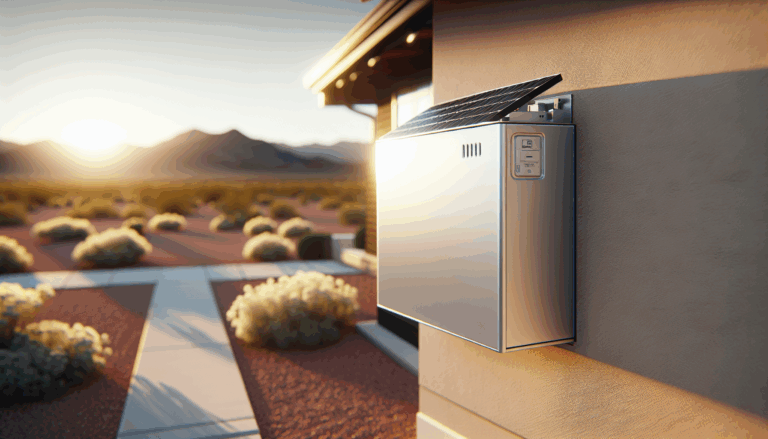
If you have or plan to install solar panels and a battery backup like Tesla Powerwall, your installer will configure chargers to prioritize solar energy when available or use battery backup during outages. Nevada Solar Group is experienced with solar-plus-storage systems and can design a solution that optimizes solar charging and resiliency.
Hiring a licensed installer vs DIY
You can physically mount and wire simple Level 1 chargers yourself, but for Level 2 installations you should always hire a licensed electrician. Improper installation risks fire, electrical shock, and failed inspections. A licensed installer also manages permits, does load calculations, selects proper protection devices, and can integrate your charger with a solar-battery system.
Benefits of hiring professionals like Nevada Solar Group
When you work with a company experienced in solar and energy storage, you gain knowledge about integrating EV charging into broader home energy systems. Nevada Solar Group offers certified installation of Tesla Powerwall, solar panel installation Las Vegas homeowners trust, and EV charging station installation Nevada customers rely on—streamlining permits, warranties, and post-install support.
Costs and financing
Costs vary widely based on charger choice, electrical upgrades, and local labor rates. Below is a general estimate to help you budget, with ranges reflecting typical scenarios.
Estimated cost table
| Item | Typical cost range |
|---|---|
| Level 1 charger (portable) | $0–$300 |
| Level 2 charger (equipment) | $300–$1,200 |
| Installation (simple, panel has capacity) | $300–$1,000 |
| Installation with panel upgrade | $1,000–$3,500+ |
| Service upgrade to 200A | $1,500–$4,000+ |
| EV charger with smart features and app | $600–$1,500 |
| Tesla Powerwall integration (additional) | $5,000–$10,000+ (varies) |
These estimates are approximate. You’ll get an accurate quote after a site assessment. Some installers bundle solar, battery, and EV charger work, which can save on labor and allow better integration.
Financing and payment options
Many solar and energy companies, including Nevada Solar Group, offer financing options, leases, or loans that help spread the cost. If you plan to add solar or battery backup, financing packages may bundle equipment, increasing convenience and potential savings from solar energy.
Nevada-specific incentives and rebates
In Nevada, various incentives can reduce the net cost of solar, battery backup, and sometimes EV charging equipment. While incentive programs change, here’s how you can approach them:
- Check federal incentives: Federal tax credits (such as the Investment Tax Credit for solar and possibly qualifying battery storage when paired with solar) can reduce costs significantly. Confirm current eligibility and percent values with a tax professional.
- State and local incentives: Nevada has programs and utility incentives that change frequently. NV Energy and other local utilities have offered rebates or time-of-use rates designed to encourage off-peak charging.
- Local municipal programs: Some cities or counties may have additional incentives or expedited permit processes for clean energy installations.
Because programs and qualifying criteria change, you should verify current rebates and tax credits. Nevada Solar Group can help identify applicable solar incentives Nevada homeowners can use when combining solar panels, Powerwall installation, and EV charging station installation Nevada customers need.
Integrating with Tesla Powerwall and home solar
When you pair an EV charger with home solar and a battery like the Tesla Powerwall, you gain flexibility. You can prioritize charging from solar during daytime production, shift charging to battery-powered off-peak hours, or use the battery during outages to keep essential loads and charging available. Nevada Solar Group is a licensed installer of Tesla Powerwall 1 and 2 and can design a system that balances solar production, home use, and EV charging.
Benefits of solar + battery + EV charging integration
Integration reduces grid dependence, allows you to use more clean energy for vehicle charging, and can provide backup power for critical circuits during outages. If you schedule charging to match solar production or low-rate periods, you’ll lower your running costs and improve the sustainability of your transportation.
Maintenance and troubleshooting
Home EV chargers require minimal maintenance, but routine checks extend device life and ensure safe operation. Keep connectors clean and dry, inspect cables for wear, ensure mounting hardware is secure, and update firmware when available.
Common troubleshooting steps
If your charger won’t charge, check that the breaker is on and that the connector is properly latched. Restart the charger according to manufacturer instructions, and check the Wi-Fi or app if it’s a smart unit. If the problem persists, contact your installer—do not attempt to modify internal wiring or components yourself.
Safety tips and best practices
Always follow manufacturer installation guidelines and local codes to prevent hazards. Use dedicated circuits, proper weatherproof enclosures for outdoor equipment, and ground-fault protection where required. Installers should use conduit to protect cables and ensure correct grounding and GFCI devices are in place.
Cable management and parking position
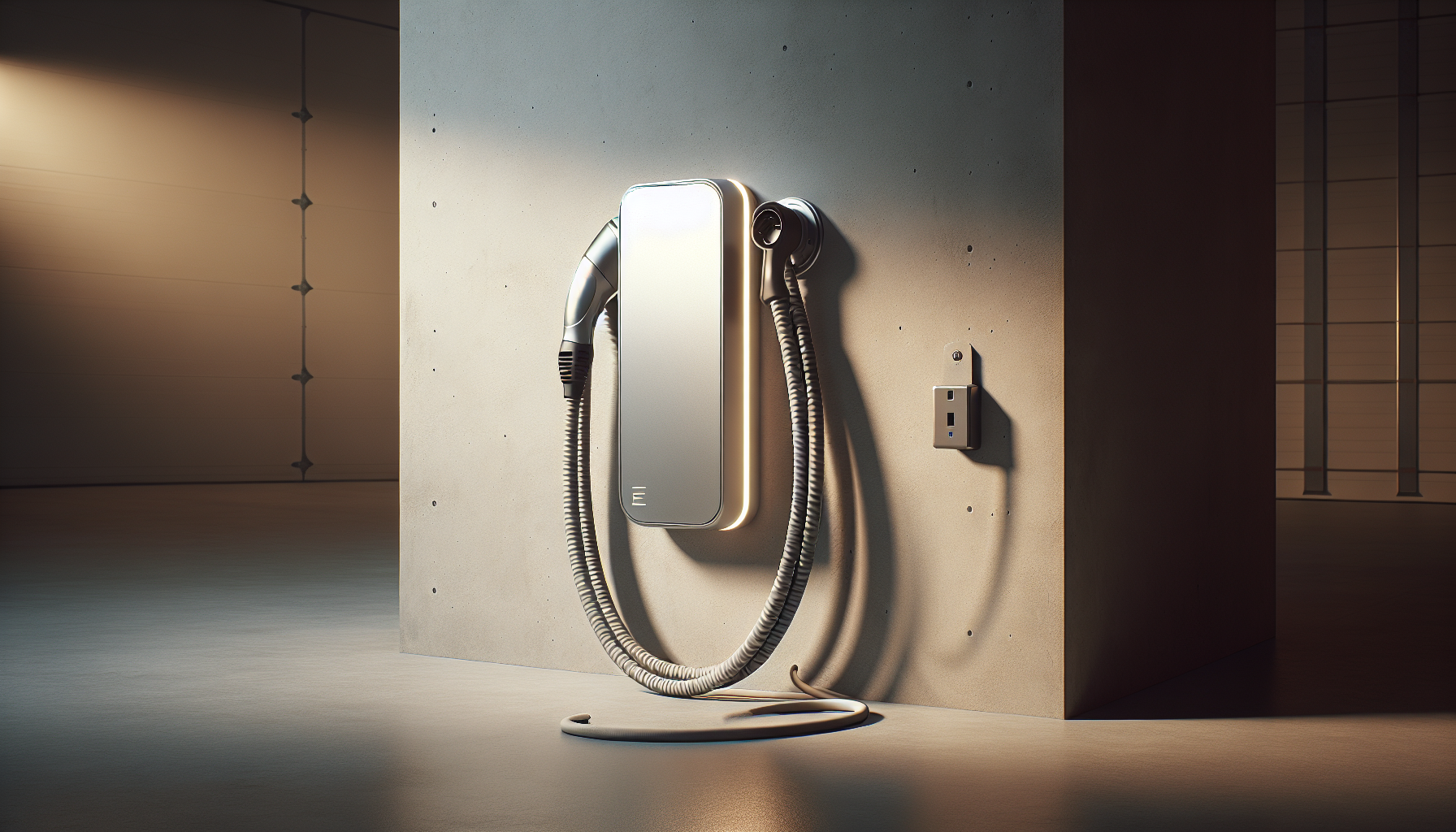
Mount the charger at a comfortable height and ensure cable length is sufficient for your parking arrangement. Use holsters or cable retractors to avoid kinks and reduce trip hazards. Clear marking of the charging parking space and keeping it free of flammable materials increases safety.
Frequently asked questions
Below are common questions you’ll likely have as you plan your installation, with clear answers to help you make choices.
How long does a Level 2 charger take to install?
A straightforward Level 2 installation usually takes a few hours to a day, depending on wiring distance and complexity. If your panel needs upgrades or trenching is required for outdoor runs, it can take longer and may involve multiple visits for permitting and inspection.
Do you need a permit to install a charger in Nevada?
Yes, most jurisdictions require permits and inspections for installing a hardwired Level 2 charger. Your installer will typically handle permitting; if you do it yourself, contact your local building office to get the correct application and plan requirements.
Can my home support a Level 2 charger without upgrading the service?
If your panel has spare capacity and load calculations confirm it, you can often install a Level 2 charger without a service upgrade. An electrician should perform a load analysis to ensure safe operation and compliance with code.
Will installing an EV charger increase my home value?
Installing home EV charging can make your property more attractive to future buyers, particularly as EV adoption grows. It signals modern infrastructure and can be a selling point for eco-conscious buyers.
Can I charge from solar energy directly?
Yes, if you have solar panels, you can charge your EV with solar power either directly during sunny hours or indirectly by offsetting grid usage. Integrating a battery like Tesla Powerwall allows you to store solar energy for charging at night or during outages.
What about electric vehicle chargers for apartments or multi-family units?
Multi-family buildings require more planning, with considerations for shared metering, tenant billing, and infrastructure. Load management and power-sharing solutions are commonly used to serve multiple units without significant service upgrades.
Are there compatibility issues between chargers and vehicles?
Most non-Tesla EVs in North America use the SAE J1772 connector for AC charging, while Tesla vehicles use an NACS connector but can be adapted with an included adapter. For public DC fast charging, connector standards may vary—CHAdeMO, CCS, and Tesla Supercharger use different plugs.
What warranties should you look for?
Look for at least a 1-year warranty on labor and 2–3 years on parts; some chargers come with 3–5 years on hardware. Nevada Solar Group emphasizes warranty offerings and partners with manufacturers that provide robust product warranties.
Final checklist before you start
Here’s a checklist to help you gather information and make decisions before installation.
| Task | Action for you |
|---|---|
| Assess driving needs | Calculate daily miles and ideal charging speed. |
| Check panel rating | Locate your electrical panel rating or hire an electrician for a load study. |
| Choose charger type | Decide on Level 1 (temporary) or Level 2 (recommended). |
| Decide mount location | Identify garage/wall location and cable routing. |
| Get quotes | Obtain multiple quotes, including Nevada Solar Group for solar + storage integration. |
| Confirm permits | Ensure installer will submit required permits and schedule inspections. |
| Consider solar/battery | Decide whether to integrate solar or Tesla Powerwall for optimized charging. |
| Financing/incentives | Research local, state, and federal incentives and financing options. |
Contacting a professional installer (Nevada Solar Group)
If you want a streamlined solution that combines solar panel installation Las Vegas homeowners trust with battery backup and EV charging installation Nevada-wide, Nevada Solar Group offers local expertise. They provide end-to-end service—site evaluation, permit handling, licensed installation, and post-install support—plus certified Tesla Powerwall installation and integration with rooftop solar. Working with a known local installer can save you time, reduce surprises, and ensure the system is designed to suit your home and goals.
What to expect when working with Nevada Solar Group
You’ll receive a personalized consultation, a detailed design and quote, support with permitting and inspections, and professional installation by experienced crews. Their focus on customer service, product warranties, and partnerships with top manufacturers helps ensure your EV charging solution is reliable and integrated into your home energy system.
Summary and next steps
By following the steps in this guide, you’ll be able to choose the right charger, confirm your home’s electrical readiness, secure permits, and complete a safe, code-compliant installation. If you’re combining EV charging with solar panels and a battery backup like Tesla Powerwall, you’ll benefit from cleaner charging, cost savings over time, and increased energy resilience. Contact local professionals to get a site assessment and a firm quote so you can start enjoying the convenience of charging your EV at home.
If you’d like, you can start by collecting your panel information, a photo of the proposed charger mounting area, and the make and model of your EV—then reach out to a licensed local installer to schedule a site visit. Nevada Solar Group can assist with that process and help you understand how solar, Powerwall, and EV charging can work together to meet your goals. Nevada Solar Group 5145 S Arville St, Las Vegas, NV 89118 Phone: 702-899-5577 Email: info@nevadasolargroup.com Website: https://nevadasolargroup.com
Business Hours: Monday – Friday: 8:00 AM – 5:00 PM Closed Saturday and Sunday