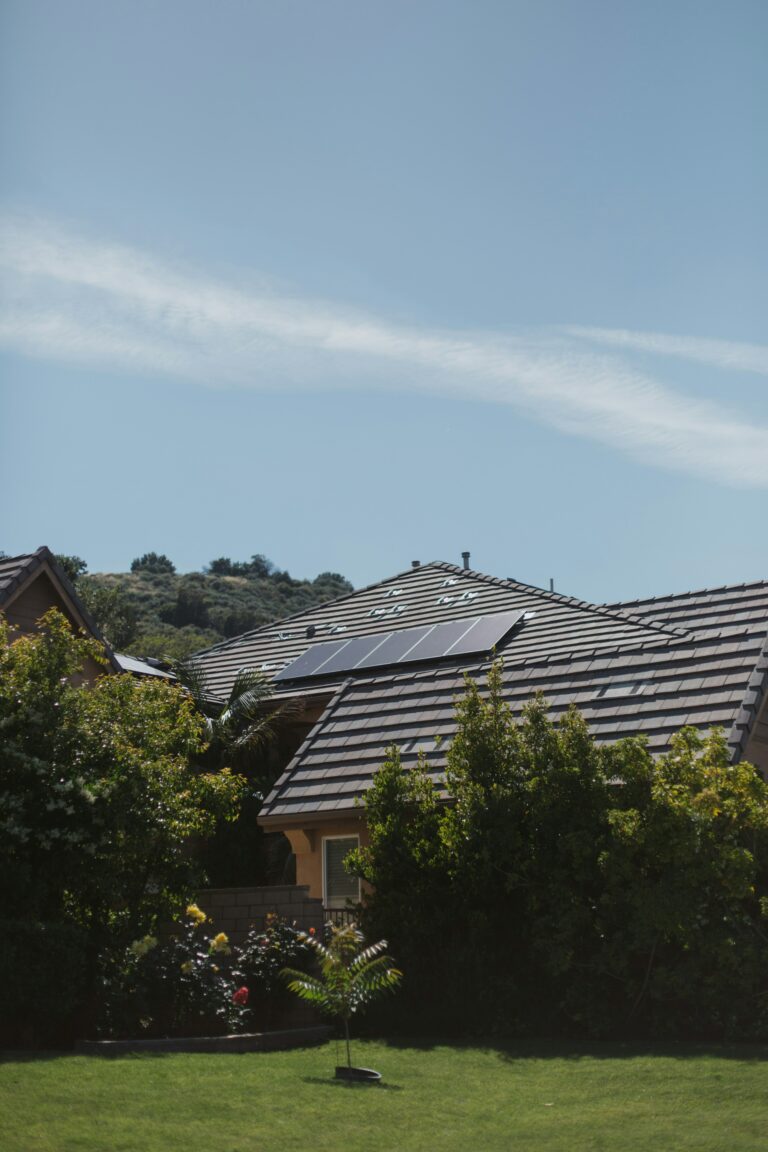
How To Maximize Solar Battery Storage With Powerwall
? Want to get the most out of your solar battery storage so you can save money, stay powered during outages, and make the smartest long-term investment for your home?
How To Maximize Solar Battery Storage With Powerwall
You’re in the right place if you’re considering a Tesla Powerwall with your solar system or already have one installed. This guide breaks down how the Powerwall works, how to size and configure it, software and behavior strategies to stretch every kilowatt-hour, and how Nevada Solar Group can make the whole process smooth and reliable for homeowners and businesses in Nevada.
Why battery storage matters for your solar system
You probably know solar panels generate clean electricity, but they produce energy only when the sun is shining. Battery storage captures that excess energy so you can use it at night, during cloudy times, or when the grid goes down. That means more self-sufficiency, lower peak electricity bills, and a buffer during outages.
Batteries turn your rooftop solar into a 24-hour energy resource rather than a daytime-only generation source. You’ll learn how to configure and manage a Powerwall to maximize those benefits.
What a Tesla Powerwall does and how it integrates with solar
A Powerwall is a lithium-ion battery system designed to store energy from your solar panels or the grid, and deliver power when you need it. It handles backup power during outages, shifts solar energy to times when you pay higher rates, and can support high-demand appliances for a period depending on how many units you have.
The Powerwall integrates with solar in three basic ways: storing excess PV generation, delivering stored energy during peak demand or outages, and charging from the grid when it’s beneficial under time-of-use (TOU) rates. That flexibility is where you’ll find opportunities to maximize savings.
Basic Powerwall specs you should know
You’ll want to be comfortable with key Powerwall metrics so you can plan usage and expansion. Below is a practical comparison to help you understand differences and decide what you might need.
| Characteristic | Powerwall (Gen 1) | Powerwall (Gen 2 / Powerwall 2) | Powerwall+ |
|---|---|---|---|
| Typical usable capacity | ~6–7 kWh | ~13.5 kWh | ~13.5 kWh |
| Peak power output (continuous) | Lower | ~5 kW continuous | Higher continuous output, better EV support |
| Round-trip efficiency | ~85% | ~90% | ~90% |
| Backup capability | Yes | Yes | Yes, improved whole-home support |
| Integrated inverter | No | No (requires inverter) | Yes (integrated) |
| Stackable units | Limited | Up to 10 per site | Up to 10 per site |
Note: Exact values can vary depending on model revisions and installation specifics. Use these numbers as practical guides and confirm with your installer.
Understand your home’s energy profile before sizing
You’ll maximize battery value by matching capacity to your actual energy use. Start with a detailed load analysis:
- Review your utility bills over a full year to capture seasonal variations.
- Identify critical loads you want backed up (refrigerator, well pump, medical equipment, HVAC, EV charger).
- Note peak demand times and average daily kWh consumption.
- Consider future load increases such as EV charging or heat pump installations.
When you know how much energy you use and when you use it, you can size your Powerwall to meet those needs efficiently instead of oversizing (costly) or undersizing (frustrating).
Sizing strategies: backup vs savings vs hybrid
You’ll choose a sizing strategy based on your primary goal. Here are three common approaches:
- Backup-first sizing: Size your Powerwall(s) to support essential circuits during outages. This focuses on autonomy rather than daily bill reduction.
- Savings-first sizing: Size primarily to shift solar energy to evening peak rates and reduce demand charges. This can reduce monthly bills but may leave limited reserve for long outages.
- Hybrid sizing: Strike a balance by ensuring a defined backup reserve while still enabling daily energy shifting.
A practical rule: each Powerwall 2 provides roughly 13.5 kWh usable—enough to power critical loads for several hours. Two units give more flexibility for whole-house backup or extended shifting.
Configure your Powerwall smartly for Nevada conditions
Nevada has abundant sunlight and often high daytime production. You should configure your system to take advantage of that plus any local utility rate structures:
- Backup Reserve: Set a reserve percentage so a portion of the battery is held for outages. You can choose 10–50% depending on how often outages occur and how conservative you want to be.
- Time-Based Control: If you have TOU rates, set your Powerwall to charge from solar during the day and discharge during evening peak rates. If TOU has super-cheap overnight charging windows, evaluate grid-charge options.
- Storm Mode: Increase backup reserve if a storm or extreme heat event is expected, so you’re prepared for longer grid interruptions.
Nevada Solar Group can recommend the right reserve and time settings based on your utility (e.g., NV Energy) and your individual goals.
Use Powerwall stacking for scale and flexibility
You can install multiple Powerwalls to scale capacity and power. That gives you:
- Longer backup duration if the grid is down.
- More capacity for shifting solar exports into evening hours.
- Higher continuous power for large loads like AC compressors or EV charging.
Stacking is especially useful if you plan to add EV charging or shift to electric heating. Nevada Solar Group can design a multi-unit system to match your roof production, daily loads, and critical circuit demands.
Prioritize loads: critical vs non-critical
You’ll get the most value by prioritizing what needs power during an outage or when conserving battery. Typical approach:
- Critical loads (first priority): refrigerator, medical devices, internet/modem, sump pump, essential lighting.
- Important but deferrable (second): washing machine, water heater (depends on setup), some outlets.
- Non-critical (third): pool pumps, non-essential lighting, luxury outlets.
Use a critical loads panel or sub-panel to separate circuits so the Powerwall only supplies what’s necessary in backup mode. This reduces battery drain and lengthens the time you stay powered.
Match inverter and system architecture
Powerwall can be installed with or without an external inverter depending on model and site. Powerwall+ includes an integrated inverter that simplifies installation and improves compatibility with high-power loads and EV charging.
If your system uses a separate inverter for solar, confirm compatibility and communications between the solar inverter and Powerwall. Proper integration ensures seamless switching to backup and effective charge/discharge control.
Nevada Solar Group is a licensed installer experienced with both Powerwall variants and multiple inverter brands, so they can design a system that maximizes efficiency and reliability.
Optimize solar generation to fill your battery
How you size and orient your panels affects how quickly your batteries fill. You can tune the system to match production to battery capacity:
- Oversize arrays modestly if you want to charge batteries faster and reduce grid import. More panels mean more daytime surplus for storage.
- Install panels with south-facing orientation and appropriate tilt for Nevada to maximize annual yield.
- Use microinverters or optimizers if shading or complex roof geometry reduces outputs.
If you’re replacing a roof or adding solar shingles, coordinate it with the battery installation. Nevada Solar Group offers roofing replacement and solar shingle installation that integrates neatly with battery placement and wiring.
Time-of-Use (TOU) strategies and grid interaction
If your utility uses TOU billing, you can save significantly by discharging your battery during high-rate periods and charging during low-rate times (either from solar or the grid). Steps you can take:
- Identify TOU peak hours and configure Powerwall to discharge during those times.
- If overnight grid prices are very low and local rules allow, consider scheduled grid-charging to arbitrage price differences — but weigh it against battery cycling and lifetime effects.
- Use the Tesla app or your installer’s monitoring tools to schedule and automate these shifts.
Nevada’s rate structures can vary by utility and area. Nevada Solar Group can analyze your bills and implement a money-saving plan.
Smart home habits that stretch stored energy
You’ll get more out of your battery by combining system optimization with a few behavioral changes:
- Run large appliances (dishwasher, laundry) during mid-day solar production or low-rate periods.
- Pre-cool or pre-heat your home when the sun is generating power so you use less battery during high rates.
- Use smart plugs, thermostats, and load controllers to curtail non-essential loads automatically when battery SOC (state of charge) drops below a threshold.
These small changes can reduce the size of battery you need or greatly extend backup duration during outages.
EV charging integration and scheduling
If you own an EV, coordinate charging with your solar-plus-battery schedule to get maximum value.
- Prefer daytime charging from solar when panels are producing, which reduces grid draw and keeps battery for evening needs.
- If you have a Powerwall+ or a smart EV charger, you can prioritize charging the vehicle during midday and use battery for evening home loads.
- During outages, prioritize critical circuits first—charging an EV might be deprioritized if you need the same energy for life-sustaining loads.
Nevada Solar Group installs EV charging stations and can integrate charger scheduling with your Powerwall settings and solar production.
Firmware, software, and monitoring: use the data
You’ll want to actively monitor your system. The Tesla app provides live and historical data for charge/discharge, solar production, and backup events. You should:
- Set alerts for outages, charge state changes, and device faults.
- Review daily and weekly export/import to spot inefficiencies.
- Use trends to decide whether to add panels or additional Powerwall units.
If you prefer a unified platform, Nevada Solar Group offers home energy monitoring options that integrate solar and battery data with other devices for centralized management.
Maintenance and safety basics
Powerwalls are largely maintenance-free, but you should:
- Keep the area around the units clear and dry.
- Check for software updates and ensure your installer or Tesla pushes firmware updates when available.
- Schedule periodic professional inspections (every 3–5 years) for electrical connections and system health.
- Replace HVAC filters and perform home maintenance that reduces strain on your energy system.
Always rely on licensed professionals for electrical inspections and never try to service the battery yourself. Nevada Solar Group’s technicians are certified to maintain and service Powerwall installations safely.
Warranties and long-term performance
You’ll want to understand the warranty terms. Tesla historically offers capacity and performance warranties for Powerwall systems (typical warranty covers a certain percentage of capacity for a set number of years). Key warranty aspects to confirm:
- Length of warranty (years).
- Guaranteed remaining capacity at the end of warranty (e.g., a certain kWh).
- Terms for replacement or repair, and whether labor is included.
- Transferability if you sell your home.
Nevada Solar Group emphasizes partnerships with top manufacturers and helps you understand warranty coverage so there are no surprises later.
Financing, incentives, and ROI
You can purchase Powerwall outright, finance through loans, or lease in certain programs. Consider these financial levers:
- Federal Investment Tax Credit (ITC): You may be eligible for a federal tax credit for battery installations if they meet certain criteria and are charged by solar for some portion of energy.
- Local incentives and rebates: Check utility and state programs for storage incentives or special rate programs. Nevada has various solar incentives and evolving policies—your installer can help you find current programs.
- Net metering and export credit: Understand how your utility credits solar exports. In some programs, storing energy to use later yields better value than exporting at low rates.
A proper financial model will include system cost, expected bill savings from TOU shifting, avoidance of demand charges, backup value, and incentives. Nevada Solar Group can run a site-specific payback analysis.
Common mistakes that reduce battery value
You’ll get the most from your investment by avoiding these pitfalls:
- Undersizing battery for backup needs, leaving you powerless during long outages.
- Using default backup reserves without considering your outage risk and critical loads.
- Not integrating EV charging planning, which can unexpectedly drain batteries.
- Poor panel orientation or shading that limits solar generation and battery charging.
- Ignoring firmware updates or monitoring that would reveal and fix issues.
A qualified installer can prevent most of these issues at the design stage.
Sample sizing scenarios and outcomes
These scenarios will help you visualize typical setups for Nevada homes.
| Household type | Daily usage (kWh) | Goal | Recommended Powerwall setup |
|---|---|---|---|
| Small home / single occupant | 15–20 kWh | Reduce evening bills, basic backup | 1 Powerwall (13.5 kWh) + 4–5 kW PV array |
| Average family | 25–40 kWh | Evening shifting & overnight backup for essentials | 1–2 Powerwalls + 6–8 kW PV array |
| EV owner + family | 40–60 kWh (+ EV) | Support EV home charging and whole-home backup | 2–3 Powerwalls + 8–12 kW PV array |
| Small business / commercial | 60–150 kWh | Demand charge management and backup | Multiple Powerwalls (2–10) sized to demand profile |
These are starting points—your actual needs will vary. Nevada Solar Group can run a detailed simulation using your bills and site data.
Permits, inspections, and installation timeline
You’ll want a clear understanding of the process and timeline:
- Initial consultation and site evaluation.
- System design and permit application (takes a few weeks depending on municipality).
- Roof work (if needed), panel installation, and battery placement.
- Electrical connections, inspection, and commissioning.
- Activation and monitoring setup.
Nevada Solar Group manages permitting and inspections and ensures compliance with local codes and utility interconnection requirements.
Roof, shingles, and mounting considerations
If you need a new roof or prefer solar shingles, coordinate the roofing and battery installs. Benefits:
- Replacing the roof before solar and battery installation avoids removing panels later.
- Solar shingles or tiles offer integrated aesthetics and work well with battery storage.
- Mount location for Powerwall should be accessible, ventilated, and near AC/distribution panel to keep wiring runs efficient.
Nevada Solar Group offers roofing replacement and solar shingle installations from leading manufacturers, simplifying coordination.
How Nevada Solar Group supports your Powerwall journey
If you live in Las Vegas or elsewhere in Nevada, you’ll benefit from a local, licensed installer who understands the territory:
- Licensed installer of Tesla Powerwall 1 and 2.
- Expertise with top solar panel brands: SunPower, Panasonic, LG, S-Energy.
- Services from design and permitting to roofing replacement and EV charger integration.
- Home energy monitoring options and customer support that simplifies activation and long-term performance.
- Local knowledge of Nevada incentives, utility programs, and weather patterns for accurate system design.
Working with a local team reduces delays, ensures code compliance, and gives you a partner for future upgrades.
Measuring success: metrics to watch
After installation, you should monitor these metrics to see how well you’re maximizing storage:
- Self-consumption rate: percentage of solar production used on-site rather than exported.
- Time-of-use savings: reduction in bill during peak rate periods.
- Backup duration: hours of selected critical loads supported during outages.
- Cycle count and battery degradation: long-term wear that affects replacement planning.
- Return on investment (ROI) and payback period.
Use this data to tune battery reserve settings, add panels, or install additional Powerwalls.
Planning for expansion and future-proofing
Your energy needs might grow—EVs, heat pumps, or a home addition. Plan your system so future expansion is straightforward:
- Design electrical panels and conduits for additional Powerwall units.
- Consider higher-capacity inverters or Powerwall+ if you expect increased EV charging.
- Keep roof space reserved for additional panels to increase solar production later.
Nevada Solar Group can design scalable systems so you don’t face costly retrofits later.
Real-world tips that make a big difference
A few practical tips from installers and homeowners that translate to better outcomes:
- Keep a 20–30% buffer for battery reserve during extreme-heat months when demand can spike unexpectedly.
- Label your critical loads and keep a simple circuit map for quick reference during outage mode.
- Schedule heavy loads (pool pumps, water heaters) to run during peak solar hours.
- Use staged charging for EVs if multiple vehicles compete for power during limited solar windows.
These small operational tweaks can extend battery life and reduce monthly bills.
Common questions answered
Q: How long will a single Powerwall keep my lights on during an outage? A: That depends on your load. A Powerwall with a focused critical loads panel can run essentials for several hours to a day. Multiple Powerwalls extend that duration.
Q: Can Powerwall work during grid outages with my solar panels? A: Yes. When configured properly, Powerwall can form an island with your solar exports to supply your home during grid outages.
Q: How many Powerwalls do I need to charge an EV overnight? A: EV charging consumes lots of energy. To fully cover a daily EV charge (~30–60 kWh), you’ll likely need 2–4 Powerwalls depending on vehicle and charging needs plus sufficient PV production.
Q: Will the battery reduce my solar system lifespan? A: Properly integrated and maintained systems don’t shorten solar panel life. Battery cycling affects battery lifespan; managing depth-of-discharge and charging patterns helps.
Final checklist before you commit
- Gather 12 months of electricity bills and EV charging estimates.
- Define priority loads you want backed up.
- Request a site assessment and a detailed design from a licensed installer.
- Get a warranty summary and maintenance plan in writing.
- Confirm permitting, inspection timelines, and interconnection steps.
- Review financing, rebates, and estimated payback.
Nevada Solar Group can walk you through each of these items and provide a tailored proposal that aligns with your goals.
Conclusion: get the most out of your solar-plus-Powerwall system
You want reliable power, bill savings, and a system that scales with your future needs. By sizing correctly, prioritizing loads, using smart scheduling, integrating EV charging, and working with a local licensed installer like Nevada Solar Group, you’ll maximize both the financial and resiliency benefits of your Powerwall. Their experience with top panel brands, roof services, and monitoring tools can make the entire process straightforward and effective.
If you’re ready to evaluate your home’s needs, run a personalized ROI analysis, or plan for full-home backup and EV integration, contact a local licensed installer who can design, permit, and install the right Powerwall system for you. You’ll enjoy the peace of mind and savings that come from a well-designed solar-plus-storage system. Nevada Solar Group 5145 S Arville St, Las Vegas, NV 89118 Phone: 702-899-5577 Email: info@nevadasolargroup.com Website: https://nevadasolargroup.com
Business Hours: Monday – Friday: 8:00 AM – 5:00 PM Closed Saturday and Sunday