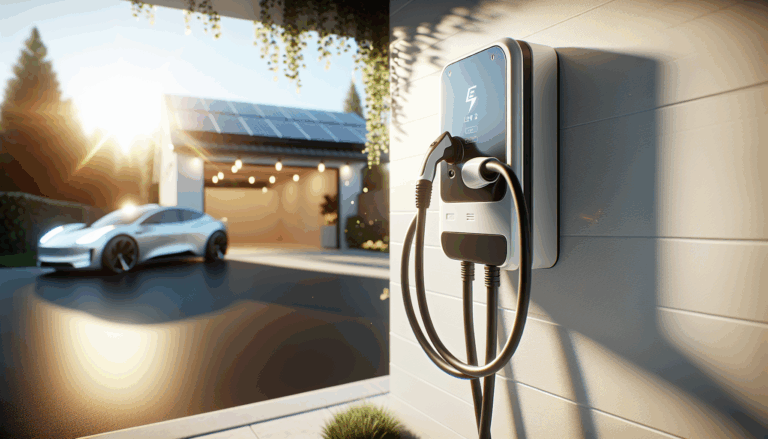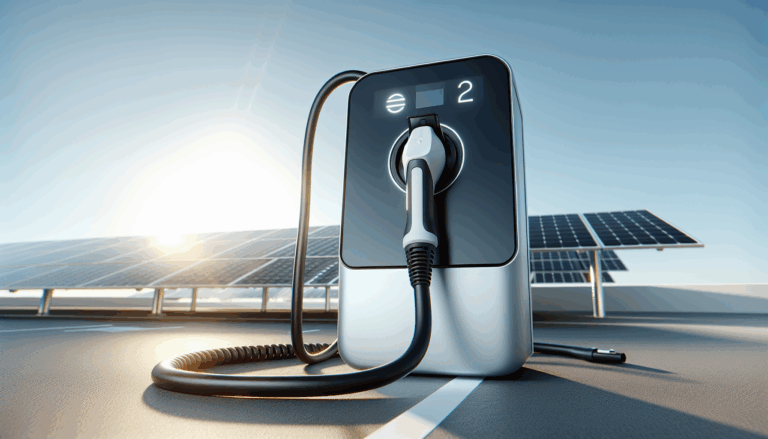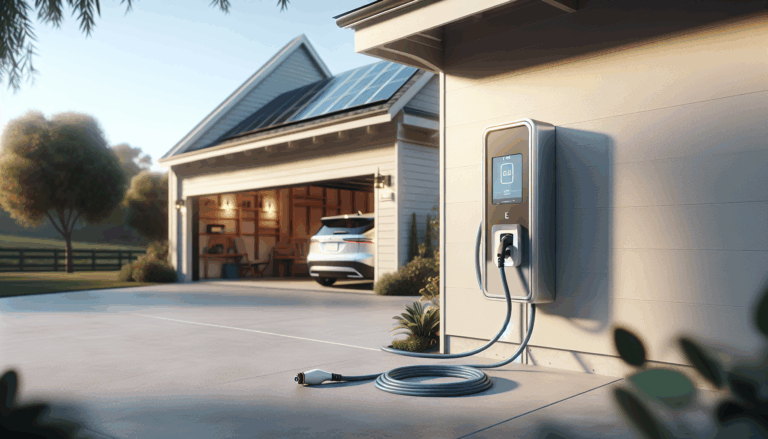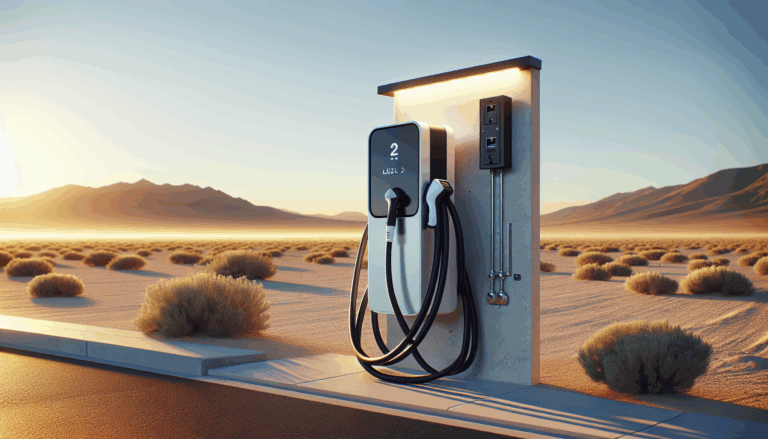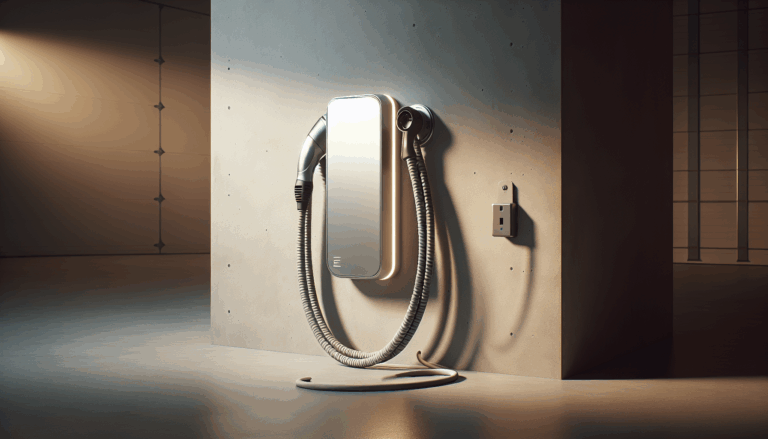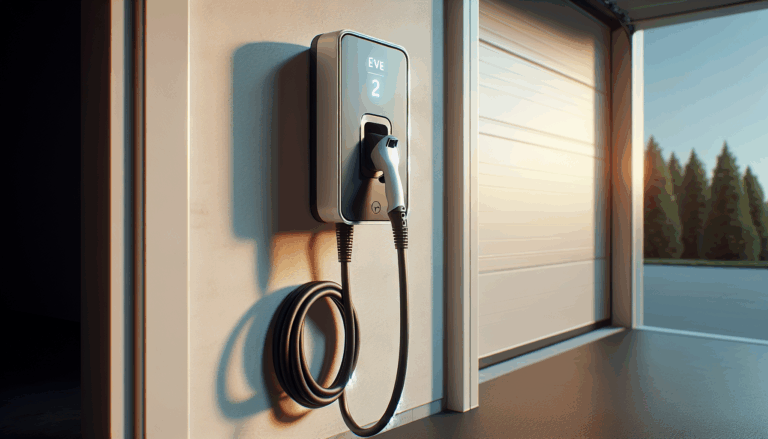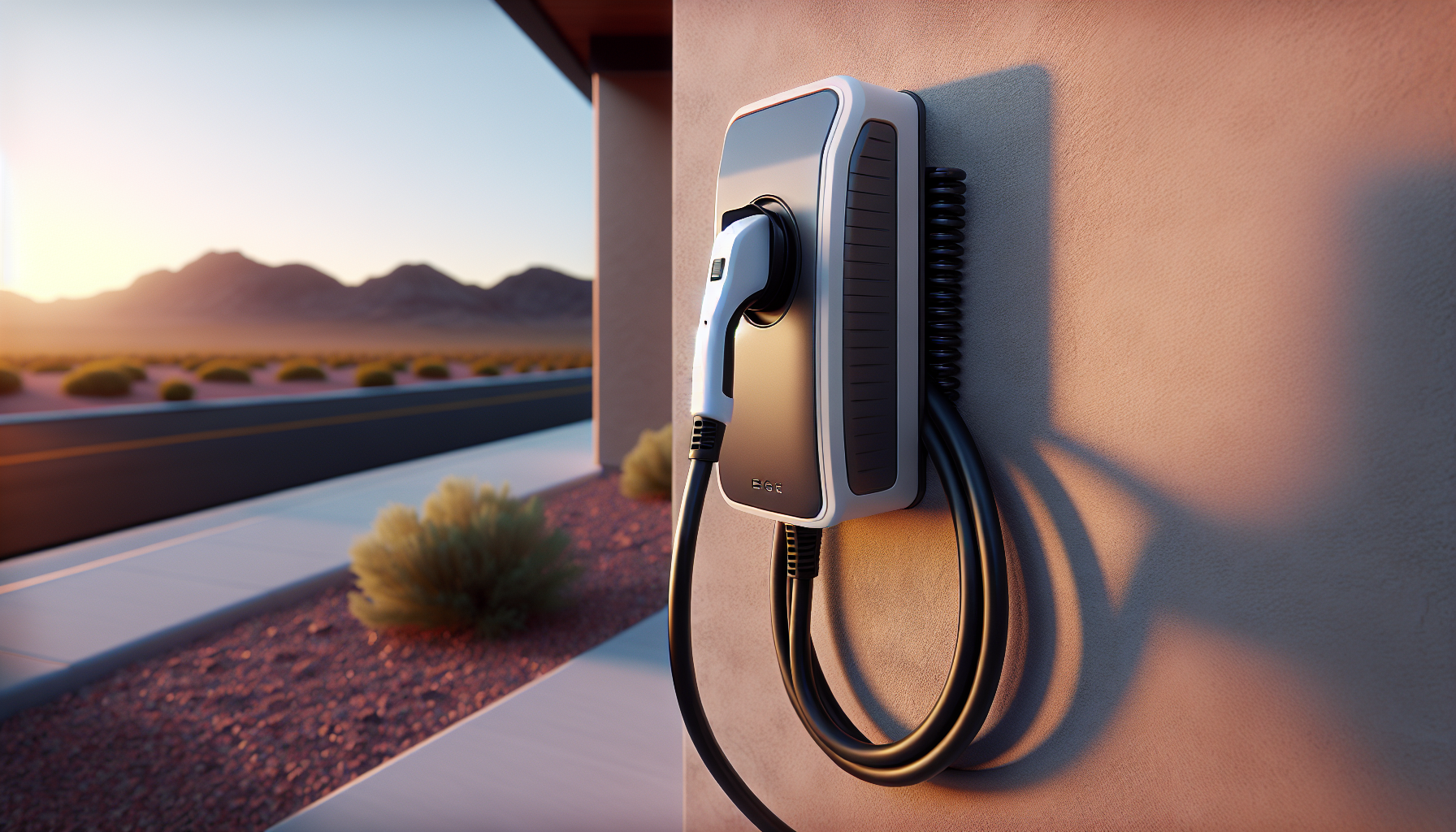
EV Charger Installation Costs And Incentives In Nevada
? Are you ready to figure out what it will really cost to install an EV charger in Nevada — and how to make smart use of incentives to lower that cost?
Overview: Why installing an EV charger in Nevada makes sense for you
You’re in one of the best states for clean energy adoption: Nevada has abundant sunshine, growing electric vehicle adoption, and utilities increasingly supporting electrification. If you own an electric vehicle or plan to get one, installing a dedicated charger at your home or business gives you faster, more convenient, and often cheaper charging than relying solely on public stations. When you combine charging with solar panels and battery storage, you can charge from energy you generate yourself, cut utility bills, and gain resilience during outages.
This guide breaks down typical installation costs, the factors that influence price, the incentives you might tap into in Nevada, and practical steps to get your charger installed smoothly — including how a local installer like Nevada Solar Group can help.
EV charger types and what they mean for cost and convenience
You’ll choose among three main types of EV charging hardware. Each has different capabilities and cost implications.
Level 1 (120V) — basic charging for occasional use
Level 1 chargers use a standard household outlet. They’re typically included with many EV purchases and provide around 3–5 miles of range per hour of charging. If your driving is light and you have long overnight charging windows, Level 1 may be adequate.
- Pros: Low or no installation cost, very simple.
- Cons: Very slow charging, not ideal for most daily drivers.
Level 2 (240V) — the residential and small-commercial sweet spot
Level 2 chargers are the most common residential and many workplace installs. They typically deliver 10–60 miles of range per hour depending on vehicle and charger amperage. Typical brands include Tesla Wall Connector, JuiceBox, ChargePoint Home Flex, and others.
- Pros: Much faster than Level 1, flexible, supports smart features and load management.
- Cons: Requires a 240V circuit and installation effort.
DC Fast Charging (DCFC) — commercial/high-use applications
DC fast chargers (often 50 kW and above) provide rapid top-ups and are used on highways, at commercial sites, and fleet depots. These chargers require heavy electrical infrastructure, often three-phase power, and larger upgrades.
- Pros: Fastest charging and ideal for commercial/high-duty use.
- Cons: Very high equipment and installation cost; often a commercial investment.
Quick comparison table: charger types, estimated unit costs, and typical installation complexity
| Charger Type | Typical Purchase Cost (equipment only) | Typical Installation Complexity | Typical Use Case |
|---|---|---|---|
| Level 1 | $0–$300 (often included with EV) | Very low — plug-in | Overnight charging at home |
| Level 2 (residential) | $400–$1,200 | Moderate — 2–8 hours to a day; possible panel work | Home/workplace charging |
| Level 2 (commercial) | $1,000–$6,000+ | Moderate to high — electrical upgrades, networking | Small business, apartment complexes |
| DC Fast Charger (50 kW+) | $30,000–$150,000+ | High — major utility coordination and site work | Highway corridors, fleets, commercial hubs |
Note: These ranges are general. Actual costs in Nevada will depend on site conditions, local labor rates, permit fees, and whether you need electrical upgrades.
Typical EV charger installation cost breakdown in Nevada
When planning your budget, you’ll want to consider multiple cost components beyond just the charger. Here’s how those pieces normally break down:
Equipment cost
This is the cost of the charging unit itself:
- Level 2 home chargers: $400–$1,200.
- Higher-end smart Level 2 chargers or brand-name units (e.g., Tesla Wall Connector): $500–$700+.
- Commercial Level 2 chargers with networking: $1,000–$6,000 each.
- DC fast chargers: tens of thousands to over a hundred thousand dollars.
Labor and installation materials
Labor includes mounting the charger, wiring, installing a new 240V circuit if needed, trenching/conduit if the meter/garage distance is long, breakers, subpanels, and potential panel upgrades. Typical labor ranges:
- Simple home Level 2: $300–$1,000+
- More complex home installations (long cable runs, conduit, modest panel work): $1,000–$3,000
- Commercial or complicated residential installs with structural or trenching work: $5,000–$30,000+
Electrical panel upgrades and service capacity
If your existing electrical panel lacks spare capacity or you need an upgraded service (e.g., from 100A to 200A), expect significant costs:
- Minor upgrades or dedicated breaker changes: $200–$1,000
- Full panel upgrade or service increase: $1,500–$5,000+ (depends on scope)
Permitting and inspection
Permit fees in Nevada vary by municipality. Typical residential permit costs might be $50–$300; commercial can be higher. Time for permitting and inspection can add days to weeks to the schedule.
Trenching, conduit, and mounting hardware
If your charger will be a distance from your panel or meter, trenching, conduit, and mounting can add:
- Shallow trenching and conduit for short runs: $300–$1,000
- Longer trenching and surface restoration: $1,000–$5,000+
Site-specific electrical upgrades and meter changes
Commercial DCFCs often trigger utility upgrades, new meters, or service transformers, which can cost tens to hundreds of thousands and require coordination with the utility (NV Energy in many Nevada markets).
Networking and ongoing service
Commercial chargers often require networking, backend management, and payment systems. Expect ongoing fees or higher upfront costs for networked hardware.
Typical total cost examples for Nevada homeowners and small businesses
Use these as ballpark estimates to plan:
- Simple residential Level 2 installation (short run, no panel upgrade): $700–$1,800 total.
- Typical residential Level 2 installation (moderate run, possible minor panel work): $1,200–$3,500 total.
- Residential installation requiring panel upgrade or long trench: $3,000–$7,000.
- Small commercial Level 2 setup (one or two chargers, modest site work): $6,000–$20,000.
- DC fast charging deployment (single 50 kW+ station with necessary utility upgrades): $50,000–$200,000+.
Keep in mind that local labor rates in the Las Vegas and Reno metro areas, site complexities, and whether you choose a premium charger brand will move you up or down within these ranges.
Factors that will most affect your installation cost
Knowing which factors move the price helps you plan and ask the right questions when quoting.
Distance from electrical service
The farther your parking spot is from the main service panel, the more conduit, trenching, and wire you’ll need — and the more labor and material cost you’ll incur.
Existing panel capacity and service size
If your panel has spare capacity, installation is simpler and cheaper. If you need a service upgrade or subpanel, expect higher cost and utility coordination.
Charger amperage and number of chargers
Higher-amperage chargers or multiple simultaneous chargers increase the service requirements and likely require greater investment.
Permit, inspection, and local codes
Municipal code requirements can add requirements for conduit, mounting heights, signage, and inspections. HOAs may add approval steps.
Groundwork or structural work
Concrete cutting, trenching across sidewalks or landscaping, or mounting to masonry add cost.
Smart features and networking
If you want load management, networking, or integration with solar/battery systems, expect higher hardware and configuration costs (but also higher long-term benefits).
Utility interconnection and demand charges (for commercial)
Commercial installations may face demand charges and require utility agreements. You may need to provide load studies or sign special tariffs.
Permitting and inspection process in Nevada — what to expect
Permitting requirements vary by city and county. In Nevada, Clark County (Las Vegas) and Washoe County (Reno) are major jurisdictions with specific rules. Typical steps:
- Obtain a permit application from your local building department. Some areas allow online submittal.
- Submit electrical plans or a simple scope for residential Level 2 installs.
- Pay the permit fee (commonly $50–$300 residential; higher for commercial).
- Schedule inspections after installation. Inspections ensure safe wiring and code compliance.
- Obtain final sign-off before operating networked commercial chargers in some jurisdictions.
A licensed electrical contractor or a full-service company like Nevada Solar Group can handle permits and inspections for you, ensuring code compliance and saving you time.
Nevada utilities and EV programs — where to look for help and rebates
Your local utility is central to both the cost and the incentive side. NV Energy is the main investor-owned utility for much of the state and runs programs related to electrification. Rural cooperatives and municipal utilities may have their own programs.
- Reach out to NV Energy to learn current residential or commercial EV programs, incentive pilots, or demand management programs.
- Check with local municipal sustainability offices (Las Vegas, Reno, Carson City) for municipal rebates or pilot programs.
- For publicly funded highway fast chargers, look at the National Electric Vehicle Infrastructure (NEVI) program and state-managed deployments.
Because utility programs change periodically, you’ll want to confirm current offerings directly with the utility and your electrician/installer.
Incentives, rebates, and tax credits — what you may be able to use in Nevada
Incentives for EV chargers can come from federal programs, state and local programs, utilities, and private grants. Incentive availability changes, so verify current details before making decisions.
Federal programs (overview and considerations)
- The federal government periodically offers tax credits and grant programs for EV charging infrastructure. Federal programs often prioritize commercial installations, workplaces, multi-unit dwellings, and public access chargers.
- The NEVI program funds highway charging corridors, while other federal grants support community charging, low-income access, and fleet electrification.
- For residential installs, federal incentives historically have been limited or targeted; verify current IRS guidance and legislative updates, as provisions can change.
Nevada-specific and local incentives
- NV Energy and municipal programs often pilot rebates for Level 2 chargers, residential smart chargers, or workplace installations. The availability and amounts can vary by year and customer class.
- Local governments and regional air quality management districts sometimes provide incentives for charging infrastructure, particularly for fleets or public chargers.
Utility rebates and demand management programs
- Utilities may offer rebates for certain chargers, especially if they are networked and support utility load management.
- Participating in demand response or managed-charging programs can yield bill credits or reduced rates.
Commercial tax credits and grants
- Businesses installing EV chargers can sometimes use federal tax incentives (when available), depreciation benefits, and state business incentives.
- Municipalities and nonprofits should look for competitive grant opportunities that support public access or equity-focused charging projects.
Important note: Incentives change and often have application windows, caps, and eligibility rules. Always confirm details with the incentive administrator, and consider working with an installer who will manage applications and documentation.
Example incentive table — where to check and what to ask about
| Incentive Type | Where to Check | What to Ask |
|---|---|---|
| Utility rebates & managed charging | NV Energy (or your local utility) | Is there a residential or commercial EV charger rebate? Is there a managed-charging program and what are the requirements? |
| State/local grants or rebates | Nevada state energy office, city sustainability offices | Are there local incentives for workplace or multi-family chargers? Any pilot programs? |
| Federal programs (NEVI, grants) | U.S. DOT, DOE, IRA program pages | Are there federal grant opportunities for public/private chargers? What application windows exist? |
| Tax credits for businesses | IRS guidance, your tax advisor | Are there business tax credits or bonus depreciation available for charging equipment? |
| Low-income or equity programs | State or county agencies, regional grants | Are there programs for multi-family or low-income communities? |
Combining solar, battery storage, and EV charging — how integration changes costs and savings
When you pair solar panels and a battery backup (like Tesla Powerwall) with EV charging, you gain flexibility and potential cost savings:
- Solar offsets the electricity you use for charging during the day, reducing your utility bills.
- Battery storage allows you to shift solar energy to evening charging windows or provide resiliency during outages.
- Smart energy management systems coordinate solar production, battery charge/discharge, and EV charging to maximize savings and reduce peak demand charges.
If you’re already installing solar (or plan to), combining systems may reduce overall deployment cost because wiring, site work, and permitting can be coordinated. Nevada Solar Group specializes in integrating solar panels, Tesla Powerwall systems, and EV chargers — which can simplify design and warranty coverage.
How integration impacts upfront cost and payback
- Upfront cost: The combined system has higher nominal upfront cost (solar + battery + charger), but consolidation of design, permits, and electrical work can reduce incremental costs relative to installing each separately.
- Payback: Charging from solar can reduce the marginal cost of every mile driven if you’re able to shift charging to daytime solar generation. In net-metered or export-compensation scenarios, timing and tariff structure matter — you’ll want to evaluate electricity rates and net metering policies in your area to estimate savings.
- Resilience value: If you value backup power during outages, the battery adds non-energy savings value that’s often hard to quantify but meaningful.
A sample residential savings scenario — approximate calculation
Assume:
- You drive 12,000 miles/year.
- Your EV efficiency is 3.5 miles/kWh → annual usage ≈ 3,429 kWh.
- Your electricity price is $0.14/kWh (check your bill; rates vary).
- Without solar, charging cost ≈ 3,429 kWh × $0.14 = $480/year.
- With a 6 kW solar system that offsets much of home usage including EV charging, and a battery to shift solar energy to evening: your net charging cost could approach near-zero for charging energy you produce, though you’ll still have grid connection charges and potentially time-of-use rates.
Over a decade, money saved on charging can help justify installation costs — and incentives can shorten payback. Exact payback depends on local incentives, energy rates, and how much of your charging is on-solar.
Installation timeline — from consultation to activation
Typical steps and timeframes:
- Initial consultation and site assessment (1–7 days to schedule) — you provide information about your EV, parking location, and electrical setup.
- Design and quote (3–7 days) — installer develops scope and provides a written estimate.
- Permitting (varies, 1–14 days or more) — municipal timelines differ.
- Installation (1–3 days for typical residential Level 2) — longer if trenching or panel upgrades are required.
- Inspection and activation (1–7 days) — final sign-off from inspector, then activation.
For complex commercial or DCFC projects, timelines expand to months due to utility coordination and funding applications.
Choosing the right installer — what you should look for
When you select an installer in Nevada, you’ll want to vet technical competence and local experience:
- Licensing and insurance: Ensure the electrician or installer is licensed in Nevada and carries necessary insurance.
- Local experience: A company like Nevada Solar Group brings local permitting experience, solar and battery integration skills, and familiarity with NV Energy. That experience reduces surprises.
- Manufacturer certification: Certified installers for Tesla Wall Connector, Enel X, ChargePoint, etc., can be advantageous.
- Permitting and incentive support: Ask whether the installer handles permits and incentive applications on your behalf.
- Warranties and service: Confirm equipment warranties and installation workmanship warranties; ask about post-installation service and support.
- Customer reviews and references: Local reviews give you a sense of quality and reliability.
How Nevada Solar Group can help you
If you’re looking for a turnkey experience, a full-service local company such as Nevada Solar Group can simplify the process. They offer:
- Site assessments and custom system design for solar, battery, and EV chargers.
- Licensed installation of Tesla Powerwall (1 and 2) and integration with EV charging.
- Coordination of permitting, engineering, and inspections in Las Vegas and surrounding areas.
- Product portfolio featuring leading solar panel brands (SunPower, Panasonic, LG, S-Energy) and EV charger options.
- Customer support from consultation through activation.
Because they blend solar, roofing, battery backup, and EV charging services, Nevada Solar Group can manage the whole project and help you identify incentives, coordinate with NV Energy, and optimize system performance.
Maintenance, warranties, and long-term considerations
- Warranties: Chargers often have manufacturer warranties (commonly 2–5 years or longer for premium brands). Installers may offer workmanship warranties (commonly 1–5 years). Solar panels and batteries come with their own warranty structures; an integrated installer can clarify overlaps and coverage.
- Maintenance: Level 2 chargers require minimal maintenance — occasional cleaning and firmware updates if networked. DC fast chargers need more maintenance and service.
- Software and firmware: Networked units often receive firmware updates that add features or address security. Make sure you understand ongoing software requirements and fees.
- End-of-life and upgrades: Plan for potential upgrades if you change EVs or want faster charging later. Modular designs and load management systems can help.
Tips to reduce costs and maximize incentives
- Bundle work: If you’re installing solar or getting a panel upgrade, coordinate with the EV charger install to reduce duplicate permit and site-work costs.
- Choose an installer familiar with local incentives: They will help find and apply for rebates and programs.
- Consider demand-management or smart charging: These options can help you avoid expensive service upgrades and may be required for certain utility rebate programs.
- Avoid unnecessarily long runs: Parking closer to the service panel trims trenching and conduit expense.
- Get multiple quotes: But compare apples-to-apples: include equipment spec, warranty, permitting, and inspection.
- Ask about financing: Many installers and solar companies offer financing packages that can bundle EV chargers with solar and battery systems.
Financing options to spread cost
You may consider:
- Personal loans or home equity loans.
- Special financing through your installer (many solar firms offer loan packages that can include EV chargers and batteries).
- Commercial leases or loans for businesses.
- PACE (Property Assessed Clean Energy) financing in jurisdictions that offer it — allows you to wall the cost into property tax payments.
- Manufacturer promotions may occasionally reduce equipment cost.
Work with your tax advisor if you plan to use tax credits or business deductions to ensure you take full advantage of available benefits.
Common questions you’ll want to ask your installer
- Will you handle all permits and inspections?
- Do you have local references and completed project examples?
- What is included in the quoted price (e.g., trenching, conduit, panel upgrades)?
- What brands do you recommend and why?
- How will this charger integrate with my solar and battery system?
- Are there ongoing fees for networking or management?
- Do you handle rebate applications and paperwork?
Sample checklist to prepare before you request quotes
- Your EV model and onboard charger specifications (kW and charging rate).
- Desired charging location (garage stall, driveway, curbside).
- Distance from the main electrical panel to the parking location.
- Recent photo(s) of your panel and parking area.
- Utility rate schedule or a copy of a recent electric bill.
- Whether you already have solar panels or a battery backup.
- Any HOA or landlord rules that might affect installation.
Next steps — how to move forward
If you’re ready to get a clear price and timeline:
- Gather the checklist items above.
- Request an on-site assessment from a licensed installer who knows Nevada permitting and utility processes — consider Nevada Solar Group if you want an integrated solar + battery + EV charging solution.
- Ask the installer to provide a detailed written estimate with breakdowns for equipment, labor, permits, and potential additional costs (like panel upgrades).
- Confirm which incentives you qualify for and who will manage applications.
- Schedule permits and installation, and prepare for inspection and activation.
Final thoughts — making the right choice for your home or business
Installing an EV charger in Nevada is a practical investment that improves convenience, can lower fueling costs, and complements a broader transition to clean energy when paired with solar and battery storage. Costs will vary based on your site, desired charging speed, and whether you need electrical upgrades. Incentives can significantly reduce net cost, but they change frequently — working with a knowledgeable local installer will help you capture available rebates and avoid costly surprises.
If you want to streamline the process, consider working with a licensed local provider that offers integrated solar, battery backup, and EV charging services. That approach reduces coordination headaches, often saves money on cumulative site work and permits, and ensures your systems work together to maximize performance and savings.
If you’d like, you can provide your zip code, EV model, and a photo of your electrical panel and parking area, and an installer can help estimate your specific cost and available incentives. Nevada Solar Group 5145 S Arville St, Las Vegas, NV 89118 Phone: 702-899-5577 Email: info@nevadasolargroup.com Website: https://nevadasolargroup.com
Business Hours: Monday – Friday: 8:00 AM – 5:00 PM Closed Saturday and Sunday