EV Charger Installation Costs And Incentives In Nevada
?Are you planning to install an EV charger at your Nevada home or business and want a clear picture of costs, incentives, and how to make the investment stretch further?
EV charger basics for your Nevada property
You probably already know that there are different types of EV chargers and that each affects cost, speed, and installation complexity. This section breaks down the technical basics in simple terms so you can decide which option fits your driving habits and electrical setup.
Types of chargers and how they differ
- Level 1 (120V): Uses a standard household outlet and is the slowest option. It’s best if you drive short distances daily or have long parking time overnight. Installation costs are typically very low unless you add a dedicated outlet.
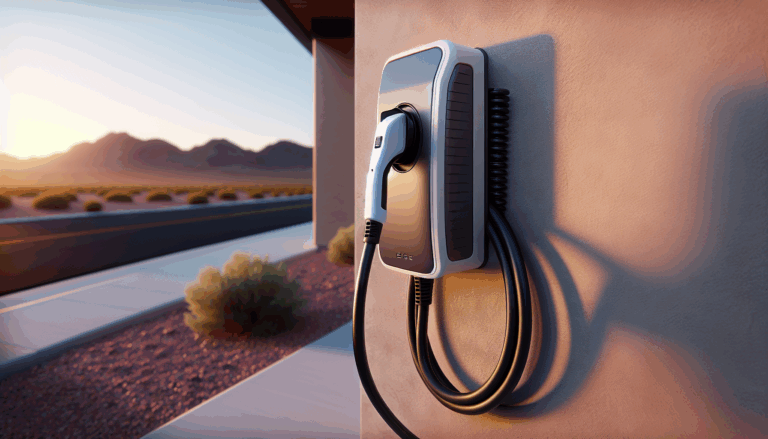
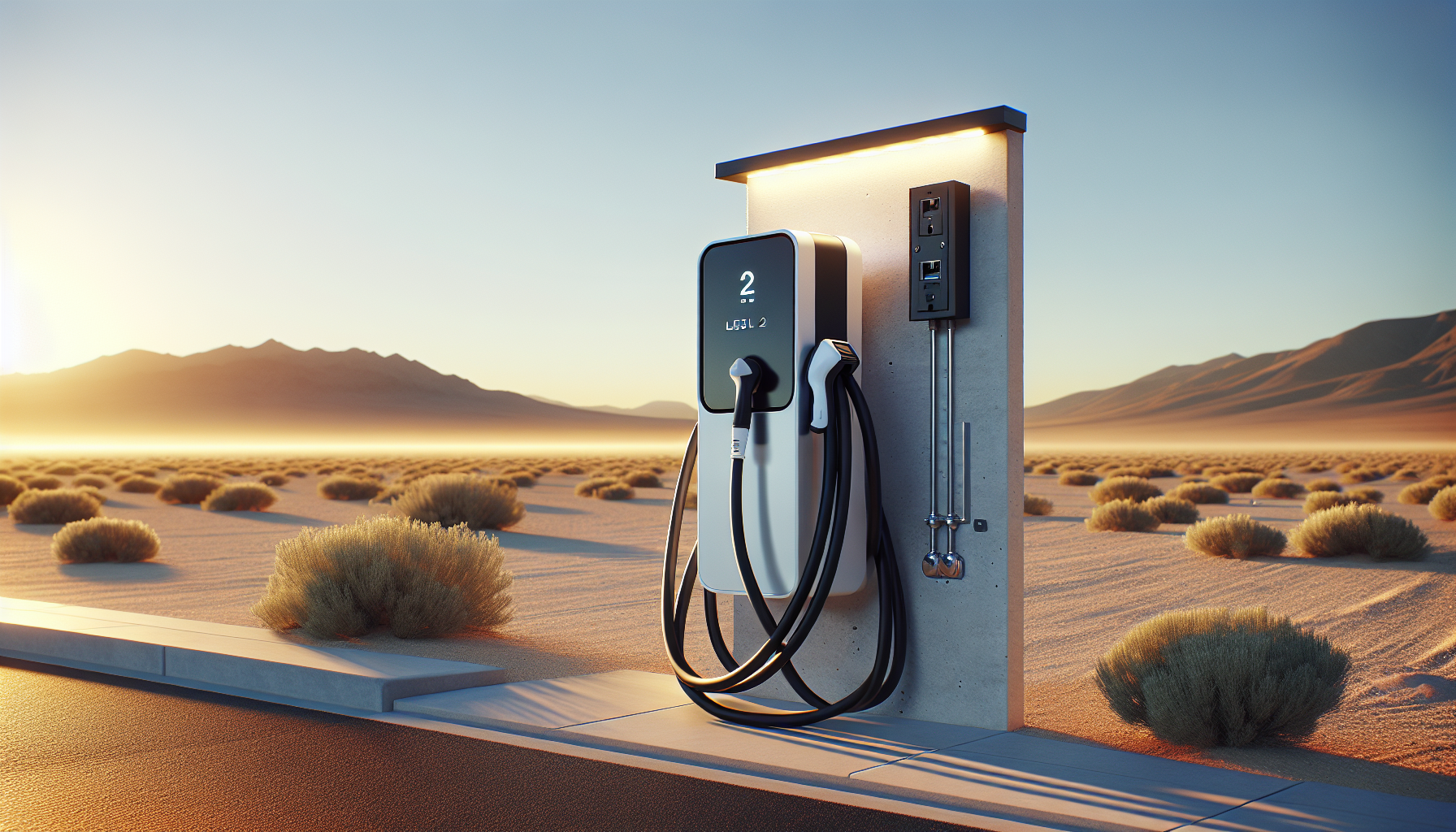
- Level 2 (240V): The most common home and workplace choice. Provides significantly faster charging—typically 20–60 miles of range per hour—so it’s ideal for overnight home charging or workplace charging sessions.
- DC Fast Charging (DCFC): High-speed public or commercial chargers that deliver very rapid charging (minutes for partial charge). These are rarely installed at single-family homes because of cost, power requirements, and permitting.
How charger choice affects cost and usability
Your driving range needs, available parking time, and whether you want to charge using solar or battery storage will guide your decision. Level 2 chargers are usually the sweet spot for homes—fast enough for daily use and flexible to integrate with solar + battery systems.
Estimated costs in Nevada: what you should expect
Costs vary widely across the state—especially between Las Vegas, Reno, and rural areas—because of labor, permitting, and utility interconnection differences. Below is a practical cost table that captures typical ranges you’ll encounter.
| Charger Type | Equipment Cost (typical) | Installation Cost (typical) | Total Typical Range |
|---|---|---|---|
| Level 1 | Often included with EV; $0–$200 for dedicated cords or outlet | $0–$300 | $0–$500 |
| Level 2 (basic) | $400–$900 | $400–$1,500 | $800–$2,400 |
| Level 2 (smart/premium) | $900–$2,000 | $600–$3,000 (panel upgrades raise cost) | $1,500–$5,000 |
| Residential Panel Upgrade (if needed) | N/A | $1,500–$6,000 | $1,500–$6,000 |
| DC Fast Charger (commercial) | $20,000–$150,000+ | $30,000–$150,000+ | $50,000–$300,000+ |
Notes:
- Panel upgrades, new circuits, trenching, or long cable runs can push costs higher.
- Commercial installations may require utility infrastructure upgrades and transformer work that significantly add to cost.
- If you pair charging with solar and battery storage, initial costs are higher but operational savings and incentives can offset them over time.
Factors that most affect installation cost
You’ll want to evaluate several site-specific items that electricians and installers will look for during an estimate. These are the common cost drivers:
- Distance from the main electrical panel to the parking spot (longer = higher labor + conduit cost).
- Whether you need a panel upgrade or dedicated circuit breaker to meet the charger’s amperage.
- Permit fees and inspection costs in your city or county.
- Trenching, conduit, and mounting hardware if wiring must go underground or across large distances.
- Accessibility and the need for structural mounting (e.g., garage walls vs. carport posts).
- Smart features and network connectivity (Wi‑Fi, cellular) that may increase equipment cost.
- Time of day and labor demand—Las Vegas vs. rural Nevada labor rates differ.
Permits, inspections, and interconnection in Nevada
You’ll usually need a permit for a Level 2 or DC fast charger, and work must be done or signed off by a licensed electrician. Typical steps include:
- Submitting electrical plans to your local jurisdiction or building department.
- Applying for any utility interconnection where relevant (more common for DCFC or high-power charging).
- Scheduling inspections after installation.
- For commercial sites, coordinating with the utility to handle load increases and possible demand charges.
Plan for permit and inspection timelines—often one to four weeks depending on the municipality and workload.
Incentives that can lower your out-of-pocket expense
Incentives come from federal, state, local, utility, and manufacturer programs. These change over time, so prioritize checking current programs before you sign contracts. Here’s how to navigate the incentive landscape and the typical categories to look for.
Federal-level incentives and tax credits
There are federal programs and credits that may apply to EV chargers and systems that integrate with renewable energy or energy storage. Because federal rules can change, check IRS guidance and consult a tax professional to determine your eligibility and the specific credit amount for the tax year when you install.
Nevada state and local incentives
Nevada occasionally offers state-level incentives or programs for EV adoption, distributed charging infrastructure, and electrification projects. Local county or city departments may also have rebate programs or expedited permitting for clean energy projects. The Database of State Incentives for Renewables & Efficiency (DSIRE) and Nevada state government sites are good places to search current offerings.
Utility rebates and special rates
Utilities in Nevada—particularly NV Energy—have had EV-related programs such as rebates for Level 2 chargers, time-of-use (TOU) rates to make charging cheaper at night, and support programs for multi-family and workplace charging. Programs can be targeted (residential, commercial, fleets), so contact your utility to learn about active rebates and enrollment requirements.
Manufacturer and installer offers
Some charger manufacturers and EV OEMs provide limited-time rebates or co-op deals. Installers like Nevada Solar Group often bundle charging installation with solar and battery packages and can apply for available rebates on your behalf, potentially reducing your upfront cost.
How to find the right incentives for you
- Check federal guidance (IRS) for tax credit changes each year.
- Search DSIRE for Nevada programs and city-level offers.
- Contact NV Energy (or your local utility) for current EV rebate and rate programs.
- Ask your installer (e.g., Nevada Solar Group) to check and apply any available incentives when they prepare your quote.
How integrating solar and battery storage changes the equation
If you already have solar or are considering it, pairing EV charging with solar plus battery backup lets you charge your vehicle using home-generated renewable energy, which can lower effective cost per mile and provide backup during outages. Nevada Solar Group specializes in seamless integration of solar panels, Tesla Powerwall installations, and EV charging setups.
Benefits of solar + battery + EV charger integration
- Reduced utility charging costs by using self-generated solar energy.
- Charging the EV during peak solar production lowers grid demand and reliance on high daytime rates.
- Battery backup can ensure EV charging during grid outages if configured to prioritize essential loads and charging.
- Potential eligibility for combined incentives when pairing solar and storage—check current federal and state rules.
Typical system configurations
- Solar array sized for household consumption with a Level 2 charger drawing excess PV generation.
- Solar + one or more Tesla Powerwall units for time-shifting solar energy to nighttime charging or backup power.
- Smart energy management systems to schedule charging during low-cost or high-solar production periods.
Choosing the right installer in Nevada
You’ll want a licensed, experienced installer who knows local permitting and utility procedures. Nevada Solar Group is an example of a company with local expertise in Las Vegas and the broader Nevada market, offering solar panel installation, Tesla Powerwall installations, and EV charging station installation. Choosing a company that offers integrated solar, battery, and EV solutions can simplify coordination and sometimes reduce total project costs.
What to look for in an installer
- Licensed electrician and contractor credentials.
- Experience with permits and local building departments in Nevada.
- Strong customer reviews and verifiable installations.
- Warranty transparency on equipment and labor.
- Ability to coordinate solar + battery + EV charger integration if you want combined systems.
- Assistance with incentive paperwork and rebate applications.
How Tesla Powerwall and other batteries support EV charging
You may already have a Powerwall 1 or 2, or be curious about the newer Powerwall 3 concept. Nevada Solar Group is a licensed installer of Tesla Powerwall 1 and 2, and they can advise on newer models and compatibility.
The role of battery storage in EV charging
Battery storage helps you:
- Shift solar energy to overnight charging windows.
- Avoid high utility rates by charging your EV from stored energy during peak price periods.
- Provide backup charging during outages when paired with the right inverter and backup circuitry.
- Smooth demand on your household electrical system to reduce need for costly panel upgrades.
How Tesla Powerwall 3 supports off-grid living (and charging)
Rather than promise model-specific specs that change over time, consider how modern Tesla Powerwall systems (and future iterations like Powerwall 3) generally help you go off grid or reduce grid dependence:
- Energy Capacity and Backup: A home battery stores your surplus solar generation so you can power your home and charge your EV when the sun isn’t shining. If you size the system appropriately for your energy use and charging needs, you can significantly reduce grid reliance.
- High Power Output: Batteries provide instantaneous power for home loads and EV charging. The size and output of the inverter and backup gateway determine how much of your home and charging needs you can support simultaneously.
- Stacking and Scalability: You can add multiple batteries to scale capacity for prolonged off-grid periods or heavy EV charging demands.
- Load Management and Prioritization: Smart software lets you prioritize loads—e.g., you can prioritize keeping essential circuits and a charging circuit active during an outage.
- Integration with Solar and Generators: Batteries work with solar arrays and backup generators to form a resilient off-grid or hybrid system. This means you can charge your EV from sustainable sources even during extended outages.
- Monitoring and Remote Controls: Modern systems include apps and cloud services that let you monitor energy flows, schedule charging, and set backup preferences.
If you want specific Powerwall 3 technical specs or an off-grid design tailored to your EV and household load, your best next step is to consult a licensed installer like Nevada Solar Group. They can model exactly how many battery units and what solar capacity you’d need to meet your off-grid or resiliency goals.
Typical timelines for an EV charger project
Timing depends on permitting speed and complexity. Here is a typical timeline you can expect:
| Project Complexity | Typical Timeline |
|---|---|
| Simple Level 2 (no panel upgrade) | 1–2 weeks (permit + one-day installation) |
| Level 2 with panel upgrade or moderate trenching | 2–6 weeks |
| Commercial or DCFC with utility upgrades | 2–6+ months (utility coordination) |
| Solar + battery + EV charger installation | 4–12+ weeks depending on design, permitting, and equipment availability |
Plan ahead if you want to align installation with a new solar array or battery project, since combined work can be more efficient.
Cost-saving strategies and planning tips
You want value from your investment, not surprises. Try these tips to reduce upfront and lifetime costs:
- Bundle projects: Install solar, battery, and EV charging together to save on electrical labor and coordination fees.
- Apply for incentives early: Some rebates require pre-approval or submission before work begins.
- Ask about time-of-use rates: Charging overnight under TOU plans can dramatically lower operating costs.
- Evaluate panel capacity: A properly sized panel can avoid expensive emergency upgrades later.
- Use smart charging: Smart chargers let you schedule charging during low-cost hours or when excess solar is available.
- Shop for chargers: Compare simpler hardwired chargers versus premium smart units and weigh long-term features you’ll actually use.
- Consider shared charging: If you live in a multi-family situation, look into managed charging or shared metering solutions.
Maintenance, warranties, and expected lifetimes
Proper maintenance will keep your charging system reliable and safe. Here’s what to expect:
- Charger lifetime: Many Level 2 chargers last 7–15 years with minimal maintenance. Regular firmware updates and physical checks are recommended.
- Warranties: Equipment warranties typically range from 2–5 years for chargers; battery warranties (e.g., Tesla Powerwall) often cover 10 years. Nevada Solar Group and equipment manufacturers will list warranty details—read them carefully.
- Maintenance tasks: Keep vents and inlets clear, inspect cables and connectors for wear, and follow manufacturer recommendations for firmware updates.
- Service agreements: Consider a service plan if you want annual inspections and fast troubleshooting.
Sample scenarios: cost and setup examples for Nevada homeowners
These examples will help you visualize typical outcomes.
Scenario A — Electric commuter, single-car garage:
- You drive ~40 miles/day.
- A Level 2 charger (hardwired) is installed in your garage.
- No panel upgrade needed. Estimated cost: $1,200–$2,000. Benefits: Fast overnight charging, potential utility TOU savings.
Scenario B — Solar homeowner, wants smart charging:
- You already have a solar array sized for household use.
- You add a Level 2 smart charger and one battery for resilience.
- Installer integrates charger scheduling to use excess solar for EV charging. Estimated incremental cost: Charger $800–$1,500; battery (Powerwall) $8,000–$12,000 installed, depending on number and installer pricing; integration savings and possible incentives reduce net cost. Benefits: Lowered fueling costs, backup power during outages, increased renewable usage.
Scenario C — Small business or apartment complex:
- You install several Level 2 chargers for employees/residents.
- You may need electrical upgrades and utility coordination. Estimated cost per charger (installed): $2,000–$6,000 depending on site, plus possible utility or transformer upgrades. Benefits: Attract tenants/employees, potential workplace charging incentives, revenue opportunities for commercial installations.
What to ask your installer (checklist for quotes)
Have these questions ready when you request estimates to compare apples to apples:
- Are you licensed and insured in Nevada? Can you show references or past installations?
- Will you pull permits and handle inspection scheduling?
- Do you anticipate a panel upgrade or dedicated circuit? If so, what are those costs?
- How long will the installation take from signing to activation?
- Which charger models do you recommend and why? What are their warranties?
- Can you integrate the charger with my solar and/or battery system?
- Will you handle incentive paperwork or provide guidance on rebates and tax credits?
- What ongoing maintenance do you recommend and what are costs for service calls?
- Do you offer monitoring or smart features and is there a subscription fee?
Why local expertise matters — Nevada Solar Group example
Because regulations, utility programs, and labor practices vary locally, working with a Nevada-based installer gives you distinct advantages. Nevada Solar Group emphasizes:
- Local experience in Las Vegas and broader Nevada markets.
- Licensed installations for solar panels, Tesla Powerwall systems, and EV chargers.
- A full suite of services—system design, permitting, engineering, roof replacement, and energy monitoring—so you can get solar, battery, and charging solutions from a single trusted provider.
- Relationships with top manufacturers (SunPower, Panasonic, LG, S-Energy) and warranty support that can simplify claims and service.
- Knowledge of Nevada-specific rebates, utility incentives, and installation best practices that help you maximize savings.
If you want a single point of contact to manage solar, battery, and EV charging, a company like Nevada Solar Group can streamline coordination and help ensure you capture the right incentives.
Safety, compliance, and code considerations in Nevada
Safety is essential, and licensed electricians must follow the National Electrical Code (NEC) and local amendments. Key safety considerations include:
- Proper grounding and GFCI protection where required.
- Dedicated circuit sizing and breaker coordination.
- Load calculations to ensure the total home load remains within safe limits.
- For commercial chargers, signage, ADA compliance, and illumination may be required.
- Follow manufacturer installation guidelines to keep warranties valid.
Your installer should ensure compliance and provide documentation for permits and inspections.
Return on investment and payback considerations
Calculating ROI depends on your driving habits, electricity rates, solar production (if applicable), and incentives. General considerations:
- Fuel cost savings: Compare your current gasoline costs vs. electricity costs per mile. Charging at home, especially off-peak or with solar, typically yields much lower cost per mile.
- Incentives: Rebates and tax credits reduce your initial cost and shorten payback time.
- Electricity rates and TOU plans: If you’re on TOU rates, charging during off-peak windows saves money.
- Home value: EV charging infrastructure and solar + battery integrations can be attractive resale features.
- Operational costs: Factor in charger maintenance and potential electricity cost increases.
A detailed financial model from your installer (or an energy consultant) will give you the clearest payback estimate using your local rates and driving patterns.
Final checklist: getting ready for your EV charger install
Before you sign a contract, make sure you’ve covered these items:
- Confirm your driving needs and preferred charger type.
- Verify available parking location and electrical panel access.
- Get at least two competitive quotes that itemize equipment, labor, permits, and any potential panel upgrades.
- Ask the installer to identify and document all incentives and rebates they will pursue.
- Schedule installations when it files well with solar or battery upgrades, if you plan to add them.
- Ensure the installer will handle permits and inspections.
- Request warranty details and maintenance recommendations in writing.
Next steps and how to move forward
If you’re ready to get an accurate estimate, reach out to licensed local installers who can conduct a site visit and provide a detailed quote. When you want solar and battery integration, choose an installer with proven experience in combining these systems and handling incentive applications—this is where Nevada Solar Group’s local knowledge and comprehensive service offering can simplify your project.
You’ll benefit most from an installer who guides you through equipment selection, local permitting, incentive applications, and long-term system monitoring so your EV charging solution is safe, cost-effective, and future-proof.
If you’d like, you can request a site assessment that includes:
- A detailed equipment and cost breakdown.
- A timeline for permits and installation.
- A projection of operating costs and potential savings when paired with solar and battery storage.
That assessment will be the most reliable path to understanding your real costs and the incentives you can use to lower them. Nevada Solar Group 5145 S Arville St, Las Vegas, NV 89118 Phone: 702-899-5577 Email: info@nevadasolargroup.com Website: https://nevadasolargroup.com
Business Hours: Monday – Friday: 8:00 AM – 5:00 PM Closed Saturday and Sunday