Tesla Powerwall 3: Features And Benefits
Have you ever wondered how a next-generation home battery could change the way you use electricity and protect your household during outages?
Tesla Powerwall 3: Features And Benefits
This section introduces the Tesla Powerwall 3 and explains why it matters to you. You’ll learn how the Powerwall 3 improves on previous models, and why it may be a smart addition to your solar-plus-storage system in Nevada or anywhere else.
What is the Tesla Powerwall 3?
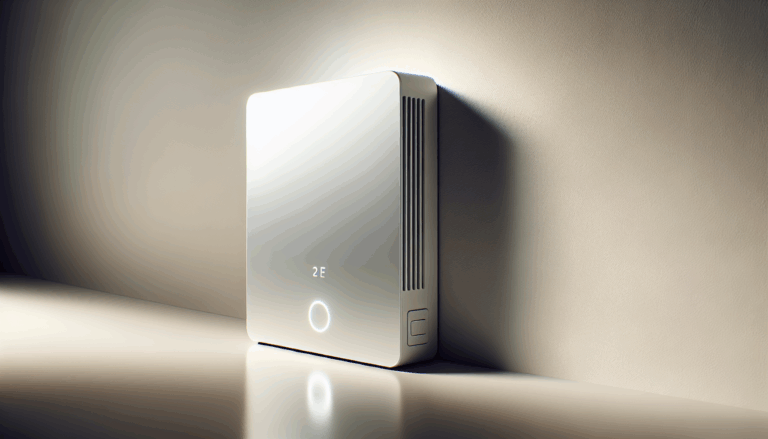
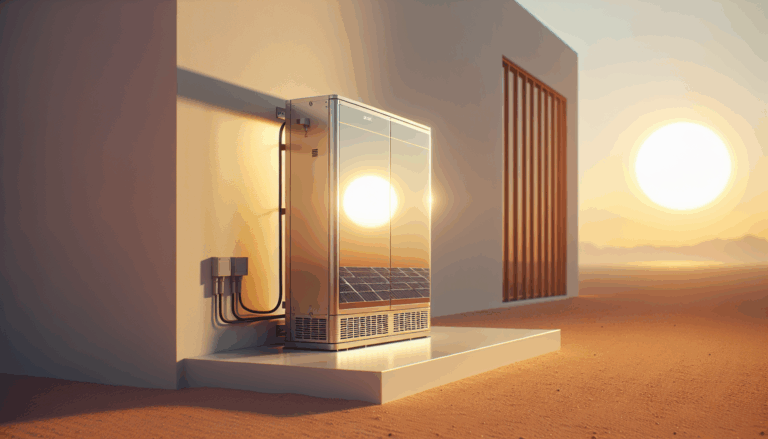
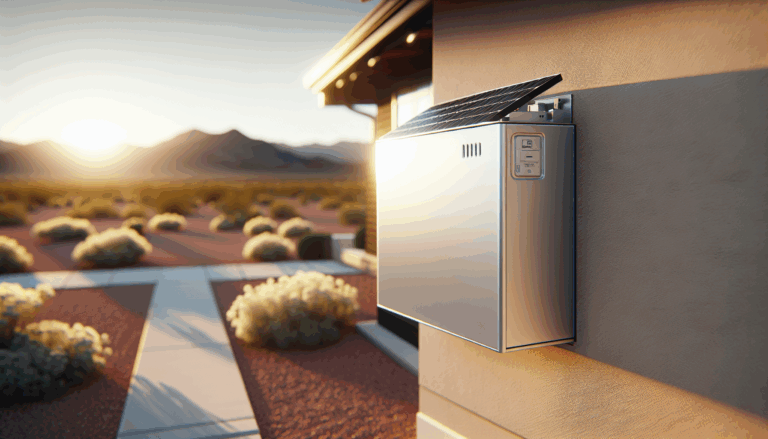
You can think of the Powerwall 3 as a wall-mounted battery system designed to store electricity for later use, smooth out energy bills, and protect your home during power outages. It’s the latest residential energy storage product from Tesla that focuses on higher energy throughput, better efficiency, and simpler integration with solar panels and EV charging.
Why you might consider Powerwall 3
If you want greater energy independence, lower utility bills, or reliable backup power, the Powerwall 3 targets those needs. It also works seamlessly with smart home controls and Tesla’s Energy app, giving you real-time insights and control over how your stored energy is used.
Key Specifications and Improvements
This section breaks down the important technical specs so you can compare and evaluate the Powerwall 3 versus older models or other brands.
Core specifications
You’ll want to look at energy capacity, usable energy, power output, efficiency, and physical footprint. These are the main figures that determine how the battery performs in real-world scenarios.
| Specification | Tesla Powerwall 3 (typical) | Tesla Powerwall 2 (for reference) |
|---|---|---|
| Usable energy capacity | ~13–14 kWh (per unit) | 13.5 kWh |
| Continuous power output | 11 kW (typical single unit) | 5 kW |
| Peak (surge) power | 22 kW (short duration) | 7 kW |
| Round-trip efficiency | ~95% | 90%–92% |
| Chemistry | Advanced LFP (Lithium Iron Phosphate) | Lithium-ion (NMC/NCA) |
| Mounting | Wall or floor, indoor/outdoor | Wall or floor, indoor/outdoor |
| Integrated inverter | Yes (single integrated unit) | Yes |
| Typical warranty | 10 years (performance-based) | 10 years |
You’ll notice the Powerwall 3 emphasizes higher continuous and peak power coupled with improved efficiency. That means you can run more home loads (like EV chargers or HVAC systems) simultaneously during outages.
What these specs mean for you
Higher continuous power lets you supply more appliances at once without needing multiple units. Improved round-trip efficiency means less energy is lost during charge-discharge cycles, translating into better utilization of solar energy and lower effective costs per kWh stored.
Performance and Real-World Use Cases
This section gives you practical examples of how the Powerwall 3 performs in everyday and emergency scenarios.
Backup power during outages
You’ll experience reliable backup for essential circuits or whole-home backup depending on how many Powerwalls you install. With higher continuous and peak power, you can power HVAC systems, refrigerators, multiple EV chargers, and other high-demand devices more effectively than with earlier models.
Time-of-use load shifting and bill reduction
If your utility uses time-of-use rates, you can charge the Powerwall 3 during low-rate periods and discharge during peak costs. The improved efficiency and higher usable capacity maximize your savings potential.
Solar self-consumption optimization
You’ll increase the amount of solar energy you use on-site. The Powerwall 3 stores excess daytime solar production for evening and nighttime consumption, reducing the energy you draw from the grid and improving the economics of your solar system.
EV charging integration
If you own or plan to own an EV, the Powerwall 3 can allocate stored energy to EV charging. This helps avoid high utility charges during peak periods and can enable fast charging during outages if paired with a suitable EV charger and sufficient battery capacity.
Integration with Solar and Home Energy Systems
This section explains how the Powerwall 3 connects with solar panels, inverters, and home energy management, and why that matters to you.
Seamless solar integration
You’ll typically connect the Powerwall 3 to your solar array so that it charges from excess production. It works as part of a whole-house energy system to provide backup and energy optimization without complex manual switching.
Smart app and monitoring
You can monitor and control your energy in real time using Tesla’s Energy app or integrated home energy management systems provided by installers like Nevada Solar Group. The app shows charge state, energy flows, and performance history so you can make informed decisions.
Home automation and load prioritization
You’ll be able to prioritize loads—decide which circuits or devices get power during outages. With the right setup, the system can automatically shed non-essential loads to preserve battery for critical needs.
Sizing Your Powerwall 3 System
You’ll want the right number of Powerwall 3 units to meet your energy usage and backup needs. This section helps you understand how to size the system.
Steps to size
- Estimate your critical load: Identify essential circuits (fridge, lights, medical devices, well pump, HVAC).
- Calculate required energy: Sum the watt-hours of these loads for the hours you want to cover.
- Match power requirements: Ensure the combined continuous and peak power can handle startup surges for motors and compressors.
- Decide on autonomy: Choose how many hours of backup you need (e.g., 8, 24, or 48 hours).
- Factor in solar generation: If you’ll recharge during sunny hours, you may need fewer batteries.
Example sizing table
| Home scenario | Average daily usage (kWh) | Critical backup need (kWh) | Suggested Powerwall 3 units |
|---|---|---|---|
| Small apartment | 15 kWh | 6 kWh (overnight essentials) | 1 unit |
| Average 3-bed home | 30 kWh | 12–20 kWh (evening + morning) | 1–2 units |
| Large family home | 50 kWh | 24–36 kWh (full evening backup) | 2–3 units |
| Whole-home outage resilience | 60–80 kWh | 48 kWh (24 hours critical) | 4+ units or hybrid with generator |
This table gives you a starting point, but a professional assessment from a Tesla Powerwall installer in Nevada like Nevada Solar Group will refine your exact requirements.
Comparison: Powerwall 3 vs Powerwall 2 and Competitors
You’ll want to know how the Powerwall 3 stacks up against older Tesla models and other home batteries.
Powerwall 3 improvements over Powerwall 2
- Higher continuous and peak power allowing more simultaneous loads.
- Better round-trip efficiency, improving usable energy economy.
- Likely adoption of LFP chemistry for longer cycle life and improved thermal stability.
- Enhanced inverter capabilities for higher throughput and grid-forming functions.
Competitor comparison highlights
You’ll find competing brands (e.g., LG, Sonnen, Enphase, Generac) that offer different strengths—modularity, long cycling warranties, or integrated inverters. The Powerwall 3’s advantages are typically centered on Tesla’s ecosystem, app integration, EV compatibility, and aggressive power ratings.
Comparison table (high-level)
| Feature | Tesla Powerwall 3 | Typical Competitor Battery |
|---|---|---|
| Usable capacity | ~13–14 kWh | 10–16 kWh (varies) |
| Continuous power | 11 kW | 3–10 kW |
| Chemistry | LFP (likely) | LFP/NMC/NCA (varies) |
| Integrated inverter | Yes | Often yes, sometimes separate |
| App & ecosystem | Tesla app, EV compatibility | Manufacturer apps, some third-party friendly |
| Typical warranty | 10 years | 10 years or performance-based |
You’ll want to weigh these features against price, installation quality, and local service when making a decision.
Installation Process and Timeline
This section guides you through what to expect during installation so you can plan accordingly.
Pre-installation assessment
You’ll begin with an energy audit and site assessment. An installer like Nevada Solar Group will evaluate your electric panel, load requirements, roof condition (if adding solar), and permitting needs.
Permits and approvals in Nevada
You’ll need local permits and utility approvals. Nevada Solar Group has experience with residential solar permits and approvals in Nevada, and they usually manage the permitting process, interconnection paperwork, and inspections on your behalf to streamline the project.
Physical installation steps
- Site prep and mounting of the Powerwall 3 units (wall or floor).
- Electrical wiring to your main panel or subpanel, including an automatic transfer switch if required for seamless backup.
- Integration with your solar inverter (if applicable) and setup of EV charger controls.
- System commissioning and software setup via the Tesla app.
- Final inspection and utility interconnection approval.
Typical timeline
From consultation to activation, timelines vary but generally range from 4–12 weeks depending on permit turnaround, equipment availability, and the complexity of the electrical work. Your local installer should give a more precise estimate.
Costs, Financing, and Incentives
You’ll want an accurate picture of costs and incentives to assess return on investment.
Typical cost components
- Hardware (Powerwall 3 units)
- Installation labor and electrical upgrades
- Permitting and inspection fees
- System design and engineering
- Optional solar panel additions and EV charger integration
Estimated cost ranges
Costs vary widely based on your system size and site specifics. As a rough guide:
- Single Powerwall 3 installed: $10,000–$15,000 (hardware + installation)
- Two units: $18,000–$28,000
- Larger systems scale based on unit count and additional electrical work
A professional quote from Nevada Solar Group will provide exact figures and financing options.
Financing options
You can often finance battery systems via loans, leases, or power purchase agreements. Some installers offer financing packages that combine solar panels and battery systems. You’ll want to compare interest rates, term lengths, and total cost over time.
Nevada-specific incentives and rebates
You’ll benefit from several Nevada and federal incentives that can reduce upfront costs:
- Federal Investment Tax Credit (ITC): historically provided a percentage credit for solar and battery systems when paired with solar—check current federal rules to confirm eligibility and percent.
- Nevada state and local incentives: There are often rebates and programs for clean energy adoption or electrification.
- Utility programs: Some utilities offer incentives, demand charge reductions, or time-of-use programs that make storage more financially attractive.
- Net energy metering (NEM): Policies in Nevada affect how excess solar exports are credited. Combining the right NEM policy with battery storage can optimize savings.
Nevada Solar Group will help you navigate available solar incentives Nevada and ensure your project maximizes rebates and credits.
Warranties, Lifespan, and Maintenance
You’ll want to understand how long your investment will last and what maintenance looks like.
Warranty coverage
Tesla typically provides a 10-year performance warranty for Powerwall units, guaranteeing a certain retained capacity over that period. Check with your installer and Tesla for exact warranty terms and any local variations.
Expected lifespan
With LFP chemistry, you can expect long cycle life and slower degradation compared to many earlier lithium chemistries. Typical lifespans are 10–20 years depending on usage patterns, depth of discharge, and environmental conditions.
Maintenance requirements
You’ll have minimal routine maintenance. Occasional inspections and software updates keep the system healthy. Your installer will provide recommended checks and will usually offer maintenance plans for peace of mind.
Safety and Reliability
This section explains how the Powerwall 3 handles safety concerns and what protections are in place.
Battery chemistry and thermal management
If the Powerwall 3 uses LFP chemistry (likely), you’ll get improved thermal stability and lower risk of thermal runaway relative to some older chemistries. Tesla designs active thermal management and safety systems to maintain battery health.
Certifications and grid compliance
You’ll expect the unit to carry appropriate safety certifications for residential use and grid interconnection. Your installer will ensure compliance with local electrical codes and standards.
Redundancy and monitoring
Remote monitoring and diagnostics help detect issues early. Tesla’s networked approach can push over-the-air firmware updates and alert installers for maintenance needs.
Environmental and Community Benefits
You’ll play a role in reducing carbon emissions and improving grid resilience.
Reduced carbon footprint
By storing solar energy and using it in your home rather than drawing fossil-fuel-derived grid power, you’ll cut your household’s carbon emissions.
Grid support and resilience
Distributed battery systems like Powerwall 3 can reduce strain on the grid during peak demand and provide local resilience in areas with frequent outages or wildfire-related shutoffs.
Choosing an Installer: Why Nevada Solar Group
This section explains why you might choose Nevada Solar Group for your Powerwall 3 installation in Las Vegas or elsewhere in Nevada.
Local expertise and licensing
You’ll benefit from Nevada Solar Group’s local licensing and familiarity with local permitting processes, utility requirements, and regional climate considerations. The company is a licensed installer of Tesla Powerwall 1 and 2 and provides experience that translates to Powerwall 3 installations.
Broad product portfolio and warranties
If you’re pairing Powerwall 3 with solar panels, Nevada Solar Group installs top brands like SunPower, Panasonic, LG, and S-Energy. You’ll get integrated system design and warranty support across solar, roofing, and storage components.
Turnkey services
You’ll receive a streamlined process from consultation through activation—site assessment, design, permitting, installation, and monitoring. Nevada Solar Group also handles roofing replacement and solar shingle installations if your roof needs work before panels or batteries are mounted.
Residential and commercial experience
You can rely on the company’s experience for both residential and commercial solar solutions, including EV charging station installation Nevada customers often need.
Permitting, Interconnection, and Approvals in Nevada
This section helps you understand local regulatory steps so you can prepare and avoid delays.
Typical permit steps
You’ll submit electrical and building permits, provide system plans, and undergo inspections. Nevada Solar Group usually prepares and submits permit documents on your behalf.
Utility interconnection
You’ll need interconnection approval from your utility before operation. This may involve agreements for net metering or export limitations. Your installer will help coordinate paperwork and testing.
Timeline considerations
Permit wait times and utility review durations can vary by county. You’ll get faster results if your installer has a working relationship with municipal permit offices and understands local code nuances.
Return on Investment and Savings Estimates
This section gives you a framework for estimating ROI so you can decide if Powerwall 3 is right for your finances.
Factors influencing ROI
- Electricity rates and time-of-use pricing
- Solar production and system size
- Number of Powerwall units
- Available incentives and rebates
- Frequency and duration of outages
- Your energy consumption behavior (EV charging, HVAC, appliances)
Simple ROI example
Imagine:
- You pay $0.20/kWh on average
- You install one 13.5 kWh Powerwall (usable)
- You shift 8 kWh/day from peak to off-peak or replace grid use with stored solar
Savings: 8 kWh × $0.20 × 365 days = $584/year. If the installed cost net of incentives is $8,000, simple payback ≈ 13.7 years. Adding solar production or additional units accelerates savings and improves resiliency value.
A personalized quote from Nevada Solar Group will provide a more precise financial analysis for your home or business.
Frequently Asked Questions
This section addresses common questions you’ll have when considering a Powerwall 3.
Can the Powerwall 3 power my whole house?
Possibly. If your home’s peak demand fits within the Powerwall 3’s continuous and surge power ratings and you install enough units for capacity, you can achieve whole-home backup. For high-demand homes or full-day autonomy, multiple units or hybrid solutions may be necessary.
How many Powerwalls do I need for a multi-day outage?
You’ll estimate daily energy use and multiply by days of autonomy desired. For example, a 30 kWh/day home wanting two days of backup would need about 60 kWh usable—roughly four to five Powerwall 3 units depending on exact usable capacity.
Is the Powerwall 3 weatherproof?
You’ll be able to install Powerwall 3 indoors or outdoors. It’s designed to handle environmental conditions typical for residential installations, but specific placement and clearances should follow the installer’s recommendations.
How long does the battery last?
You’ll get many years of service; Tesla’s warranty typically covers 10 years with guaranteed retained capacity. Actual lifetime can exceed the warranty depending on usage and chemistry (LFP tends to last longer).
Can I add more Powerwall units later?
Yes. You’ll often be able to add units to expand capacity and power delivery, but plan for electrical space, load management, and structural mounting considerations. Your installer can design a system with future expansion in mind.
Practical Tips for Your Purchase Decision
This section gives you clear, actionable steps to help you decide and plan.
- Get a professional site assessment from a certified Tesla Powerwall installer Nevada, such as Nevada Solar Group.
- Combine solar with batteries when possible to maximize incentives and self-consumption benefits.
- Ask for a detailed financial model showing savings, payback, and sensitivity to utility rate changes.
- Verify warranty details, including performance guarantees and transferability if you sell your home.
- Discuss EV charging plans and whether you want dedicated backup for charging during outages.
- Ensure the installer manages permits and utility interconnection to prevent delays.
Final Thoughts
You’ll find the Tesla Powerwall 3 positioned as a powerful option for homeowners and businesses seeking energy resilience, cost savings, and integration with clean energy systems. When paired with solar panels and a thoughtful installation by a licensed company like Nevada Solar Group, the Powerwall 3 can boost your energy independence, reduce your reliance on the grid, and enhance property value.
If you want a tailored assessment based on your home’s energy use, local incentives, and a clear cost estimate, contact a trusted installer in Nevada for a site-specific consultation and quote. You’ll get actionable recommendations that align with your goals—whether that’s backup protection, electricity bill reduction, EV-ready energy, or a combination of those benefits. Nevada Solar Group 5145 S Arville St, Las Vegas, NV 89118 Phone: 702-899-5577 Email: info@nevadasolargroup.com Website: https://nevadasolargroup.com
Business Hours: Monday – Friday: 8:00 AM – 5:00 PM Closed Saturday and Sunday